 Written by
11 min read
2,074 words
45 views
-
Table of Contents

Introduction
Enhancing Safety Measures at Train Crossings
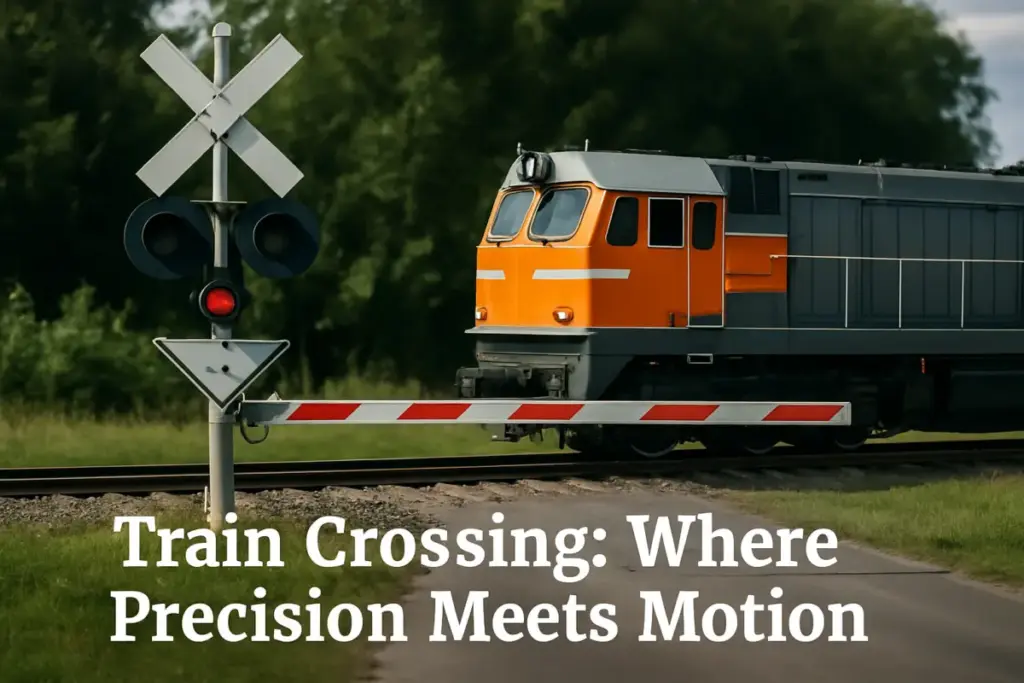
Train crossings, integral components of the railway infrastructure, serve as critical junctures where roadways intersect with rail tracks. These crossings, while essential for facilitating transportation, pose significant safety challenges. Enhancing safety measures at train crossings is paramount to preventing accidents and ensuring the well-being of both motorists and pedestrians. As train crossings are often located in densely populated areas or near busy roads, the potential for accidents is heightened, necessitating a comprehensive approach to safety. To begin with, the implementation of advanced warning systems is crucial. Traditional warning systems, such as flashing lights and gates, have been effective to some extent. However, integrating modern technology can significantly enhance their efficacy. For instance, the use of predictive analytics can improve the timing of warnings, allowing for more precise alerts based on train speed and distance. Additionally, incorporating auditory signals that vary in intensity can cater to individuals with different levels of hearing ability, thereby broadening the scope of safety measures. Moreover, the installation of surveillance cameras at train crossings can serve multiple purposes. Not only do they act as a deterrent against reckless behavior, but they also provide valuable data for analyzing traffic patterns and identifying potential hazards. This data can be instrumental in making informed decisions about where to allocate resources for further safety improvements. Furthermore, in the event of an incident, footage from these cameras can aid in investigations, providing clear evidence of the circumstances leading up to the event. In addition to technological advancements, public education campaigns play a vital role in enhancing safety at train crossings. Educating the public about the dangers associated with train crossings and the importance of adhering to safety protocols can lead to a significant reduction in accidents. These campaigns can be disseminated through various media, including social media platforms, television, and community workshops. By raising awareness and fostering a culture of safety, individuals are more likely to exercise caution and make informed decisions when approaching train crossings. Furthermore, collaboration between government agencies, railway companies, and local communities is essential in developing and implementing effective safety measures. By working together, these stakeholders can identify specific areas of concern and tailor solutions to address them. For example, in regions with high pedestrian traffic, installing pedestrian gates and barriers can prevent individuals from inadvertently crossing tracks when a train is approaching. Similarly, in rural areas where visibility may be limited, additional signage and lighting can enhance safety. Finally, regular maintenance and inspection of train crossings are imperative to ensure that all safety measures remain functional and effective. This includes checking the condition of warning systems, gates, and signage, as well as ensuring that the tracks themselves are in good repair. By conducting routine inspections, potential issues can be identified and addressed before they lead to accidents. In conclusion, enhancing safety measures at train crossings requires a multifaceted approach that combines technological innovation, public education, collaboration, and regular maintenance. By prioritizing safety and implementing comprehensive strategies, the risk of accidents at train crossings can be significantly reduced, ensuring the protection of both motorists and pedestrians. As transportation networks continue to evolve, ongoing efforts to improve safety at train crossings will remain a critical component of infrastructure development.The Impact of Train Crossings on Local Traffic Flow
 Train crossings are a critical component of the transportation infrastructure, serving as intersections where railways and roadways meet. These crossings play a significant role in facilitating the movement of goods and passengers across regions. However, they also present challenges, particularly in terms of their impact on local traffic flow. Understanding the dynamics of train crossings and their effects on road traffic is essential for urban planners, policymakers, and the general public.
To begin with, train crossings can significantly disrupt the flow of vehicular traffic. When a train approaches, crossing gates are lowered to prevent vehicles from crossing the tracks, leading to temporary road closures. This interruption can cause traffic congestion, especially in urban areas where road networks are already strained. The duration of these closures depends on the length and speed of the train, as well as the frequency of train services. In areas with high train traffic, such as near major rail hubs, these disruptions can be frequent and prolonged, exacerbating congestion and increasing travel times for motorists.
Moreover, the impact of train crossings on traffic flow is not limited to the immediate vicinity of the crossing. The ripple effects can extend to surrounding areas, as vehicles are forced to reroute or wait, leading to increased congestion on alternative routes. This can be particularly problematic during peak travel times, when road networks are already operating at or near capacity. Consequently, the presence of train crossings can contribute to a broader pattern of traffic delays and inefficiencies within a region.
In addition to causing delays, train crossings can also pose safety risks. The potential for accidents at these intersections is a concern, particularly when drivers attempt to bypass lowered gates or misjudge the speed of an approaching train. Such incidents can have severe consequences, underscoring the need for effective safety measures and public awareness campaigns to educate drivers about the dangers associated with train crossings.
To mitigate the impact of train crossings on local traffic flow, several strategies can be employed. One approach is the construction of grade separations, such as overpasses or underpasses, which allow vehicles to cross railway lines without interference from train traffic. While these structures can be costly and require significant planning and construction efforts, they offer a long-term solution to the problem of traffic disruption at train crossings.
Another strategy involves the implementation of advanced traffic management systems. These systems can use real-time data to optimize traffic signals and provide drivers with information about train schedules and expected delays. By improving communication and coordination between road and rail networks, such systems can help minimize the impact of train crossings on traffic flow.
Furthermore, urban planning and policy decisions can play a crucial role in addressing the challenges posed by train crossings. By considering the location and frequency of crossings in the context of broader transportation planning, policymakers can develop strategies that balance the needs of both rail and road users. This may involve prioritizing investments in infrastructure improvements or exploring alternative transportation options to reduce reliance on road networks.
In conclusion, while train crossings are an essential part of the transportation system, they present challenges for local traffic flow. By understanding these challenges and implementing targeted strategies, it is possible to mitigate their impact and improve the efficiency and safety of both road and rail networks. Through a combination of infrastructure investments, technological solutions, and informed policy decisions, communities can better manage the complexities associated with train crossings and enhance the overall transportation experience for all users.
Train crossings are a critical component of the transportation infrastructure, serving as intersections where railways and roadways meet. These crossings play a significant role in facilitating the movement of goods and passengers across regions. However, they also present challenges, particularly in terms of their impact on local traffic flow. Understanding the dynamics of train crossings and their effects on road traffic is essential for urban planners, policymakers, and the general public.
To begin with, train crossings can significantly disrupt the flow of vehicular traffic. When a train approaches, crossing gates are lowered to prevent vehicles from crossing the tracks, leading to temporary road closures. This interruption can cause traffic congestion, especially in urban areas where road networks are already strained. The duration of these closures depends on the length and speed of the train, as well as the frequency of train services. In areas with high train traffic, such as near major rail hubs, these disruptions can be frequent and prolonged, exacerbating congestion and increasing travel times for motorists.
Moreover, the impact of train crossings on traffic flow is not limited to the immediate vicinity of the crossing. The ripple effects can extend to surrounding areas, as vehicles are forced to reroute or wait, leading to increased congestion on alternative routes. This can be particularly problematic during peak travel times, when road networks are already operating at or near capacity. Consequently, the presence of train crossings can contribute to a broader pattern of traffic delays and inefficiencies within a region.
In addition to causing delays, train crossings can also pose safety risks. The potential for accidents at these intersections is a concern, particularly when drivers attempt to bypass lowered gates or misjudge the speed of an approaching train. Such incidents can have severe consequences, underscoring the need for effective safety measures and public awareness campaigns to educate drivers about the dangers associated with train crossings.
To mitigate the impact of train crossings on local traffic flow, several strategies can be employed. One approach is the construction of grade separations, such as overpasses or underpasses, which allow vehicles to cross railway lines without interference from train traffic. While these structures can be costly and require significant planning and construction efforts, they offer a long-term solution to the problem of traffic disruption at train crossings.
Another strategy involves the implementation of advanced traffic management systems. These systems can use real-time data to optimize traffic signals and provide drivers with information about train schedules and expected delays. By improving communication and coordination between road and rail networks, such systems can help minimize the impact of train crossings on traffic flow.
Furthermore, urban planning and policy decisions can play a crucial role in addressing the challenges posed by train crossings. By considering the location and frequency of crossings in the context of broader transportation planning, policymakers can develop strategies that balance the needs of both rail and road users. This may involve prioritizing investments in infrastructure improvements or exploring alternative transportation options to reduce reliance on road networks.
In conclusion, while train crossings are an essential part of the transportation system, they present challenges for local traffic flow. By understanding these challenges and implementing targeted strategies, it is possible to mitigate their impact and improve the efficiency and safety of both road and rail networks. Through a combination of infrastructure investments, technological solutions, and informed policy decisions, communities can better manage the complexities associated with train crossings and enhance the overall transportation experience for all users.