

 Written by
11 min read
2,035 words
51 views
-
Table of Contents

Introduction

Enhancing Safety Measures at Railroad Crossings: Innovations and Best Practices
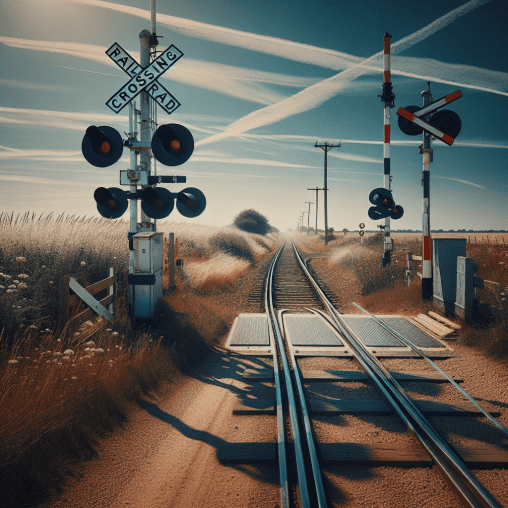
Railroad crossings have long been a focal point of transportation safety discussions, given their critical role in ensuring the seamless interaction between rail and road traffic. As the volume of both rail and vehicular traffic continues to grow, enhancing safety measures at these intersections becomes increasingly imperative. Innovations and best practices in this domain are essential to mitigate risks and prevent accidents, thereby safeguarding lives and property. To begin with, the integration of advanced technology at railroad crossings has emerged as a pivotal strategy in enhancing safety. One such innovation is the implementation of intelligent transportation systems (ITS), which utilize sensors and communication technologies to monitor and manage traffic flow. These systems can detect the presence of trains and communicate real-time information to approaching vehicles, thereby reducing the likelihood of collisions. Moreover, ITS can be integrated with traffic management centers to provide comprehensive oversight and rapid response capabilities in the event of an incident. In addition to technological advancements, infrastructure improvements play a crucial role in enhancing safety at railroad crossings. The installation of barriers and gates that automatically lower when a train is approaching is a well-established practice that significantly reduces the risk of accidents. However, recent innovations have led to the development of more robust and reliable barrier systems that are less prone to mechanical failure. Furthermore, the use of LED lighting and reflective materials on signage and road markings has improved visibility, especially during adverse weather conditions and nighttime, thereby alerting drivers to the presence of a crossing well in advance. Education and public awareness campaigns are also vital components of a comprehensive safety strategy. By informing the public about the potential dangers associated with railroad crossings and promoting safe driving behaviors, these initiatives can significantly reduce the incidence of accidents. For instance, campaigns that emphasize the importance of obeying traffic signals and the dangers of attempting to cross tracks when a train is approaching have proven effective in changing driver behavior. Additionally, partnerships with schools and community organizations can help disseminate safety messages to a broader audience, fostering a culture of safety that extends beyond the immediate vicinity of railroad crossings. Moreover, collaboration between government agencies, rail companies, and local communities is essential in developing and implementing effective safety measures. By working together, these stakeholders can identify high-risk crossings and prioritize them for upgrades and improvements. This collaborative approach ensures that resources are allocated efficiently and that safety measures are tailored to the specific needs of each crossing. Furthermore, regular audits and assessments of railroad crossings can help identify emerging risks and inform the development of new safety protocols. In conclusion, enhancing safety measures at railroad crossings requires a multifaceted approach that combines technological innovation, infrastructure improvements, public education, and collaborative efforts. By leveraging these strategies, it is possible to create a safer environment for both rail and road users, thereby reducing the incidence of accidents and enhancing the overall efficiency of the transportation network. As we continue to advance in this field, it is crucial to remain vigilant and proactive in our efforts to protect lives and ensure the safe coexistence of rail and road traffic.The History and Evolution of Railroad Crossing Signals
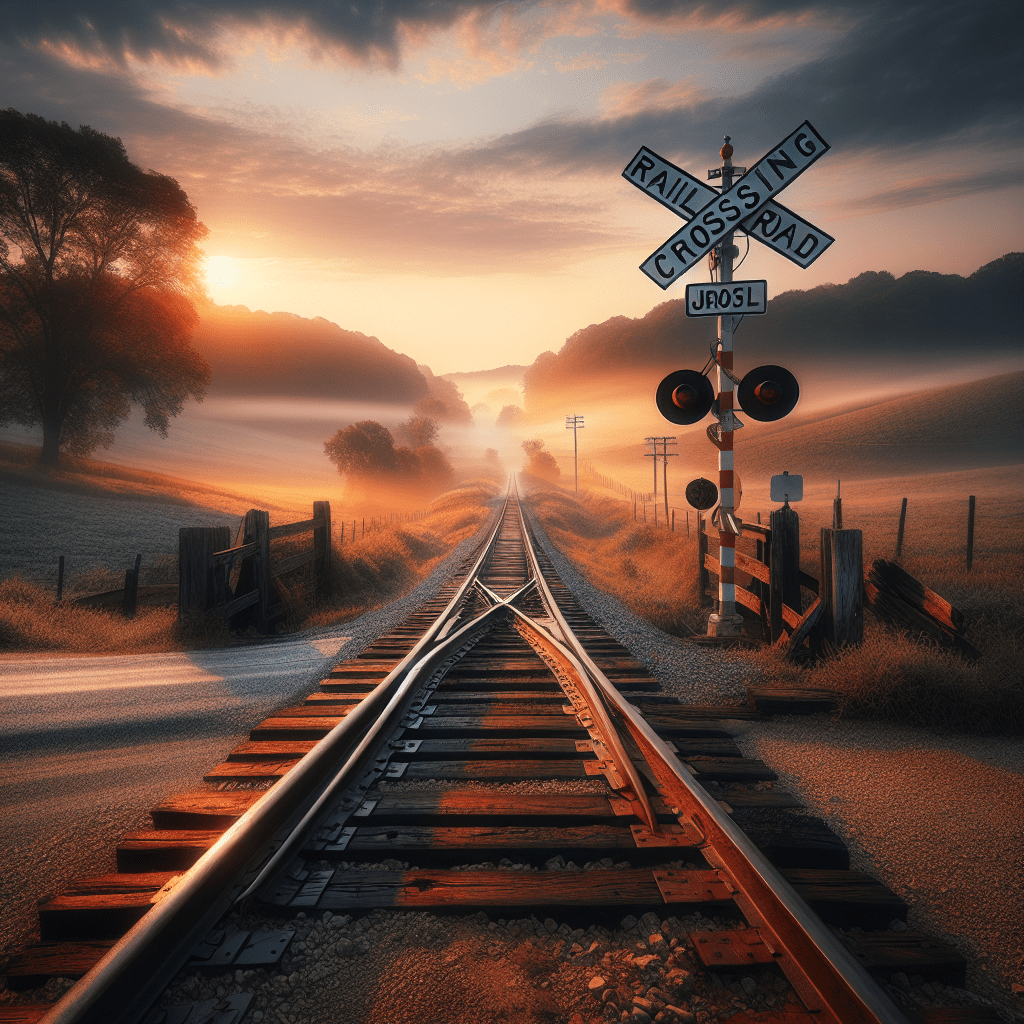 Railroad crossings have long been a critical component of transportation infrastructure, serving as the intersection between roadways and railways. The evolution of railroad crossing signals is a fascinating journey that reflects technological advancements and the growing need for safety in an increasingly interconnected world. Initially, railroad crossings were simple affairs, often marked by nothing more than a sign or a flagman who would manually signal the approach of a train. These early methods, while functional, were limited in their effectiveness, particularly as train speeds increased and road traffic became more prevalent.
As the 19th century progressed, the need for more reliable and automated systems became apparent. The introduction of the steam locomotive brought with it a significant increase in both the speed and frequency of trains, necessitating more sophisticated warning systems. The first major advancement came with the development of the mechanical crossing gate, which was operated manually by a crossing guard. This system, while an improvement, still relied heavily on human intervention and was thus prone to error.
The turn of the 20th century marked a pivotal moment in the evolution of railroad crossing signals with the advent of electricity. Electric signals began to replace manual systems, offering a more reliable and consistent means of warning motorists and pedestrians of an approaching train. The introduction of the flashing light signal was a significant milestone, providing a clear and unmistakable warning that could be seen from a distance. These signals were often accompanied by bells, which added an auditory alert to the visual cue, further enhancing safety.
As technology continued to advance, so too did the sophistication of railroad crossing signals. The mid-20th century saw the introduction of automatic gates, which lowered to block the roadway when a train was approaching. These gates were typically equipped with flashing lights and bells, creating a multi-sensory warning system that significantly reduced the risk of accidents. The development of these automated systems was driven by a growing awareness of the dangers posed by railroad crossings and a commitment to improving public safety.
In recent decades, the focus has shifted towards integrating advanced technologies to further enhance the safety and efficiency of railroad crossings. The use of sensors and communication systems has allowed for real-time monitoring and control of crossing signals, ensuring that they operate with precision and reliability. Additionally, the implementation of predictive analytics and machine learning algorithms has enabled the development of systems that can anticipate potential hazards and respond accordingly.
Moreover, the advent of smart transportation systems has opened new possibilities for the future of railroad crossing signals. The integration of these systems with connected vehicles and infrastructure promises to create a more seamless and efficient transportation network. By enabling vehicles to communicate with crossing signals, it is possible to provide drivers with real-time information about train movements, allowing for more informed decision-making and reducing the likelihood of accidents.
In conclusion, the history and evolution of railroad crossing signals is a testament to the ongoing pursuit of safety and efficiency in transportation. From the humble beginnings of manual signals to the sophisticated systems of today, each advancement has been driven by the need to protect lives and ensure the smooth operation of both road and rail networks. As technology continues to evolve, it is likely that railroad crossing signals will become even more integrated and intelligent, further enhancing their role in safeguarding our transportation infrastructure.
Railroad crossings have long been a critical component of transportation infrastructure, serving as the intersection between roadways and railways. The evolution of railroad crossing signals is a fascinating journey that reflects technological advancements and the growing need for safety in an increasingly interconnected world. Initially, railroad crossings were simple affairs, often marked by nothing more than a sign or a flagman who would manually signal the approach of a train. These early methods, while functional, were limited in their effectiveness, particularly as train speeds increased and road traffic became more prevalent.
As the 19th century progressed, the need for more reliable and automated systems became apparent. The introduction of the steam locomotive brought with it a significant increase in both the speed and frequency of trains, necessitating more sophisticated warning systems. The first major advancement came with the development of the mechanical crossing gate, which was operated manually by a crossing guard. This system, while an improvement, still relied heavily on human intervention and was thus prone to error.
The turn of the 20th century marked a pivotal moment in the evolution of railroad crossing signals with the advent of electricity. Electric signals began to replace manual systems, offering a more reliable and consistent means of warning motorists and pedestrians of an approaching train. The introduction of the flashing light signal was a significant milestone, providing a clear and unmistakable warning that could be seen from a distance. These signals were often accompanied by bells, which added an auditory alert to the visual cue, further enhancing safety.
As technology continued to advance, so too did the sophistication of railroad crossing signals. The mid-20th century saw the introduction of automatic gates, which lowered to block the roadway when a train was approaching. These gates were typically equipped with flashing lights and bells, creating a multi-sensory warning system that significantly reduced the risk of accidents. The development of these automated systems was driven by a growing awareness of the dangers posed by railroad crossings and a commitment to improving public safety.
In recent decades, the focus has shifted towards integrating advanced technologies to further enhance the safety and efficiency of railroad crossings. The use of sensors and communication systems has allowed for real-time monitoring and control of crossing signals, ensuring that they operate with precision and reliability. Additionally, the implementation of predictive analytics and machine learning algorithms has enabled the development of systems that can anticipate potential hazards and respond accordingly.
Moreover, the advent of smart transportation systems has opened new possibilities for the future of railroad crossing signals. The integration of these systems with connected vehicles and infrastructure promises to create a more seamless and efficient transportation network. By enabling vehicles to communicate with crossing signals, it is possible to provide drivers with real-time information about train movements, allowing for more informed decision-making and reducing the likelihood of accidents.
In conclusion, the history and evolution of railroad crossing signals is a testament to the ongoing pursuit of safety and efficiency in transportation. From the humble beginnings of manual signals to the sophisticated systems of today, each advancement has been driven by the need to protect lives and ensure the smooth operation of both road and rail networks. As technology continues to evolve, it is likely that railroad crossing signals will become even more integrated and intelligent, further enhancing their role in safeguarding our transportation infrastructure.

