

 Written by
 Model Trains for Beginners: Must-Have Best Layout Guide
Model trains for beginners can be one of the most rewarding hobbies to start, especially if you enjoy creativity, hands-on building, and seeing a miniature world come to life. At first glance, the hobby may look complicated, but it becomes much easier when you break it into simple steps. From choosing a scale to planning your first track arrangement, the right approach can help you avoid common mistakes and build a layout you’ll enjoy for years.
Getting Started with Model Trains for Beginners
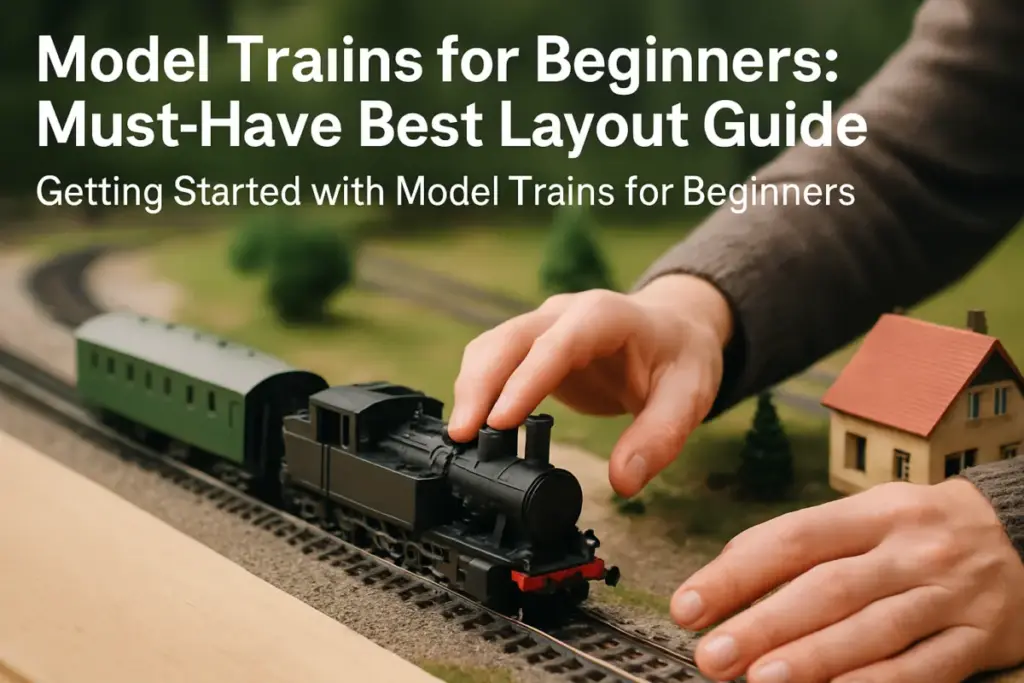
A good model railroad beginner guide starts with one important idea: don’t try to build everything at once. Many new hobbyists get overwhelmed by the number of choices available, but the best way to begin is with a small, manageable setup. Start with a clear goal, such as running one train smoothly around a simple layout, and expand from there.
Before buying anything, think about your available space. A table, shelf, corner, or small spare room can all work depending on your ambitions. Beginners often do better with compact layouts because they are easier to build, maintain, and learn from. A smaller layout also gives you room to focus on essential skills like track alignment, wiring, scenery basics, and train operation.
How to Start Model Trains the Right Way
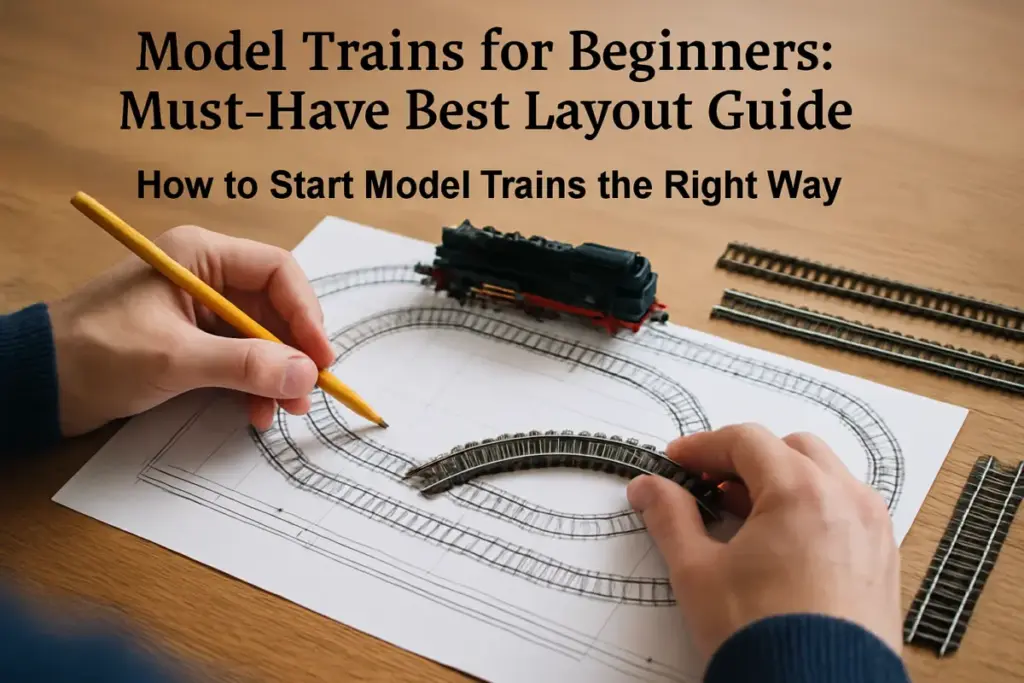
If you’re wondering how to start model trains, the process becomes much simpler when you follow a sequence:
1. Choose your scale
Popular scales include HO, N, and O. HO scale is often recommended for beginners because it offers a strong balance between detail, availability, and space requirements. N scale is great for smaller rooms, while O scale is larger and easier to handle but takes more space.
2. Pick a theme or era
Decide whether you want a modern freight line, a steam-era railroad, a small town passenger route, or something else. Having a theme makes purchasing easier and keeps your layout consistent.
3. Set a budget
Model railroading can be as affordable or as expensive as you make it. A starter set, some track, a power supply, and a small amount of scenery are enough to begin. It’s better to grow gradually than to overspend upfront.
4. Build in stages
Don’t worry about creating the finished layout immediately. Start with track and basic operation, then add scenery, buildings, and figures later.
This step-by-step approach helps you stay focused and enjoy the learning process instead of feeling pressured to make everything perfect right away.
Smart Model Train Layout Ideas for New Hobbyists
Finding the right model train layout ideas is one of the most exciting parts of the hobby. For beginners, simple designs usually work best because they allow easy train movement and reduce construction challenges. Here are a few beginner-friendly options:
Oval Layout
An oval is the simplest layout and a classic starting point. It lets your train run continuously without complicated switching or trackwork. This is ideal for learning the basics of train operation and testing equipment.
Point-to-Point Layout
This style simulates a train traveling from one location to another. It can be more realistic than a loop and allows for more storytelling, such as freight deliveries or passenger service between two towns.
Figure-Eight Layout
A figure-eight offers visual interest in a compact space. It gives the impression of a larger route while remaining relatively easy to build. It’s a favorite for beginners who want variety without too much complexity.
Switching Layout
A small switching layout focuses on moving cars between industries, sidings, and yards. This is a great option if you enjoy operations and want a layout that feels more like a real railroad working in a town or industrial district.
When choosing between these ideas, think about what you enjoy most: watching trains run, operating them realistically, or creating a scenic miniature world.
Model Railroad Layout Design Basics
Good model railroad layout design is about more than just fitting track onto a board. It involves balancing operation, scenery, access, and future expansion. A thoughtful layout design can make even a small space feel impressive.
Start by sketching your room or table dimensions on paper. Then identify where your track, structures, and viewing angles should go. Keep the following principles in mind:
– Avoid sharp curves if possible: Wider curves look better and improve train performance.
– Leave room for access: You need to reach all parts of the layout for maintenance and scenery work.
– Plan for future growth: Leave space if you think you may add more track later.
– Keep the design realistic: Try to create a believable arrangement of towns, tracks, industries, and terrain.
A well-designed layout does not have to be large. In fact, many small layouts look fantastic because they are carefully planned and not overcrowded.
Model Railway Layout Planning Tips
Proper model railway layout planning saves time, money, and frustration. A clear plan helps you avoid track that doesn’t fit, scenery that feels cramped, or wiring problems that are hard to fix later.
Here are a few practical tips:
– Use track planning software or graph paper to map out your layout before construction.
– Test your design with loose track pieces so you can make adjustments before permanently fixing anything.
– Think about train length so your sidings and yards can handle your cars.
– Plan electrical access early if you’re using DCC or need multiple power sections.
– Build scenery around the track plan, not the other way around.
It’s also important to remember that planning is part of the hobby. A layout improves through revision, and many experienced modelers redraw their plans several times before building.
Common Beginner Mistakes to Avoid
New hobbyists often make the same mistakes, but they’re easy to avoid with a little preparation:
– Buying too much too quickly
– Choosing a layout that is too large for the available space
– Ignoring access for maintenance
– Using overly complex track plans too early
– Skipping the planning stage
– Focusing only on trains and forgetting scenery and realism
Starting simple gives you a better chance of success and helps you build confidence as you learn.
Building Confidence as You Learn
The best advice for model trains for beginners is to stay patient and enjoy the process. Every part of the hobby teaches a new skill, whether it’s laying track, wiring a power system, painting scenery, or arranging buildings. You do not need to create a masterpiece on your first attempt. In fact, many great layouts begin as basic starter projects and grow over time.
As you gain experience, you’ll discover what you like most about the hobby. Some modelers love operations, others prefer scenery, and some enjoy collecting locomotives and rolling stock. Your layout can reflect your interests and evolve with you.
Final Thoughts
Starting with model trains for beginners is easier when you focus on simple planning, realistic goals, and a layout that fits your space and interests. A strong foundation in how to start model trains, thoughtful model train layout ideas, and careful model railroad layout design will set you up for long-term enjoyment. With smart model railway layout planning, you can create a hobby space that is fun, flexible, and rewarding from the very beginning.
If you begin small and build with purpose, your first layout can become the start of something truly impressive.

