

 Written by
10 min read
1,995 words
46 views
-
Table of Contents

Introduction

History Of Miniature Trains: From Hobby To Collectible
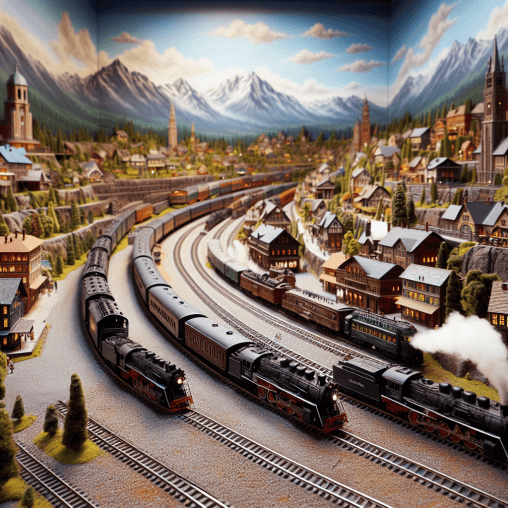
Miniature train history is an interesting trip reflecting both cultural changes and technical developments. Originally a pastime in the late 19th century, small trains have become extremely valuable artifacts that enthrall fans of many generations. Miniature trains have their roots in the industrial revolution, a time of fast technological advancement and growing fascination in mechanical transportation. The first tiny trains were made as toys, mostly for rich children during this age. Often constructed of tinplate and driven by clockwork movements, these early models provided a window into the world of railroads revolutionizing nations all around. Little trains started to appeal outside of children’s play as the 20th century started. Early 1900s saw a major change when electric trains were introduced since they provided a more realistic and sophisticated experience. Electric trains were popularized in great part by companies like Märklin in Germany and Lionel in the United States, who created complex models that captivated young and old alike. Model railroading became more popular as a hobby during the interwar years as aficionados spent time and money creating intricate layouts that reflected actual train systems. Miniature train design and manufacture advanced even further in the years following World War II. New materials like plastic let model creation to incorporate more detail and precision by means of their development. Scale standards, such HO and N scale, which helped to produce more consistent and compatible models, also first emerged during this era. Model railroading thus became more easily available to a larger audience, encouraging a community of hobbyists driven by a love of the complex universe of small trains. Turning now into the later half of the 20th century, small trains started to be considered collectibles. Growing respect for the workmanship and historical value of earlier models drove this change. Often paying large sums to obtain rare and historic items, collectors sought out these artifacts. The emergence of the internet drove this trend even more since it gave aficionados a stage to interact, trade, and distribute their collections worldwide. Online forums and auction sites developed as centers for the sharing of information and uncommon discoveries, therefore confirming the value of small trains as collectorible objects. Miniature trains have become more and more appealing in recent years as technology advances the hobby’s attractiveness. Realistic sound effects and digital control technologies have given model railroading new involvement and drawn a new generation of fans. Furthermore, the cultural relevance of trains as markers of adventure and development keeps resonating, therefore guaranteeing the ongoing appeal of small trains. Finally, the development of small trains is evidence of the ongoing obsession with railroads and the complex workmanship required in their building. From small toys for youngsters to their present value as treasured collectors, tiny trains have enthralled the minds of many people from modest beginnings. This popular pastime is probably going to inspire and involve aficionados for decades to come as technology develops, therefore safeguarding the rich history of small trains in the process.Building Your Own Miniature Train Set: A Beginner’s Guide
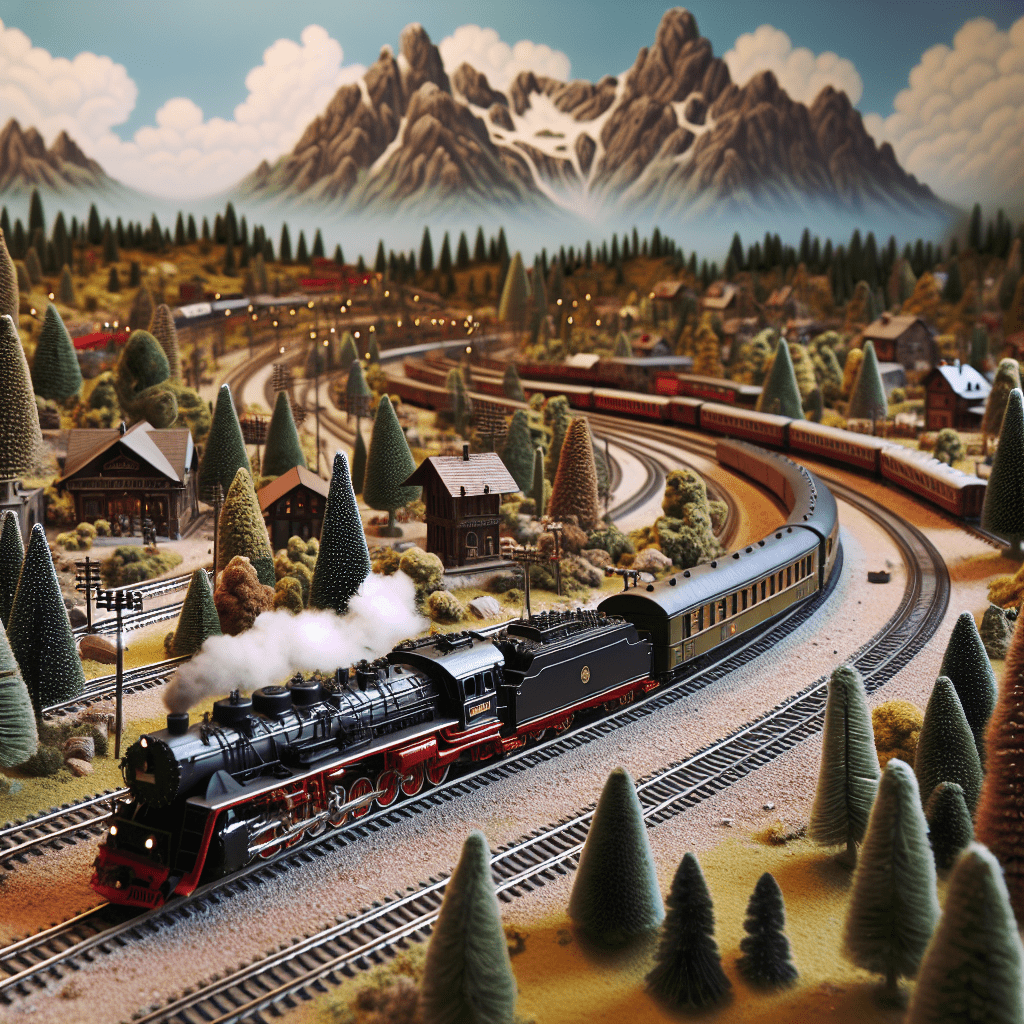 Constructing your own small train set may be a quite fulfilling pastime providing a special fusion of engineering, design, and nostalgia. Although the procedure may appear intimidating at first for beginners, with careful preparation and a disciplined approach it can become a fun and rewarding activity. The trip starts with knowing the size and gauge of your train set, which are absolutely vital components guaranteeing realism and compatibility. With common choices including HO, N, and O sizes, scale describes the size of the model in respect to the actual train. Conversely, gauge is the distance between the rails and has to be in line with scale to guarantee seamless running.
Designing the layout comes second once you have chosen the scale and gauge. This entails designing the track layout, which may be anything from straightforward loops to complex networks with several levels and switches. Starting with a simple design and then progressively expanding as you become confident and experienced is advised. Think about the space at hand and the theme you want to produce—a calm rural setting or a busy metropolitan one during this phase. A well-considered layout guarantees operating efficiency in addition to improving the aesthetic attractiveness.
Once the layout is decided upon, the emphasis moves to choosing the appropriate parts. Any train set’s heart is its locomotive, hence selecting a trustworthy model is crucial for flawless running. To go with your locomotive, you will also need a range of rolling stock including goods waggons and passenger carriages. To really bring your layout to life, track pieces—straight sections, bends, turnouts—also are essential. Investing in high-quality components guarantees lifetime and helps to avoid regular maintenance problems.
The assembly starts when the parts are in hand. Laying the track is a painstaking job needing accuracy and endurance. Make sure the track is level and secured firmly to stop derays. Another important factor is wiring since it supplies the required power to move the trains. While more sophisticated aficionados might investigate digital command control (DCC) for additional versatility and realism, beginners might choose a basic analog control system. Whatever the technology used, dependable performance depends on good wiring.
Once the track is laid and electrified, one can focus on the surroundings, therefore giving the layout more complexity and character. This includes designing buildings, landscapes, and other works reflecting the selected subject. Realistic terrain can be created from materials including foam, plaster, and paint; model kits and scratch-building techniques can help to vividly depict towns and businesses. Since little details like trees, figures, and cars improve the general realism and immersion, detailing is absolutely important.
At last, frequent maintenance is really essential to keep your small train system in best shape. This covers maintaining excellent electrical contact by cleaning the track, lubricating moving components, and wear and tear component inspections. Time spent on maintenance will help you to enjoy a visually beautiful and smoothly operating train set for many years to come.
All things considered, creating a small train set is a multifarious pastime combining artistic expression with technical ability. Beginning with a clear idea, using excellent components, and paying close attention to detail will help novices build an attractive and useful model railway. This pastime is a lifetime of learning and fun since, as you advance, the opportunities for development and personalization are virtually unlimited.
Constructing your own small train set may be a quite fulfilling pastime providing a special fusion of engineering, design, and nostalgia. Although the procedure may appear intimidating at first for beginners, with careful preparation and a disciplined approach it can become a fun and rewarding activity. The trip starts with knowing the size and gauge of your train set, which are absolutely vital components guaranteeing realism and compatibility. With common choices including HO, N, and O sizes, scale describes the size of the model in respect to the actual train. Conversely, gauge is the distance between the rails and has to be in line with scale to guarantee seamless running.
Designing the layout comes second once you have chosen the scale and gauge. This entails designing the track layout, which may be anything from straightforward loops to complex networks with several levels and switches. Starting with a simple design and then progressively expanding as you become confident and experienced is advised. Think about the space at hand and the theme you want to produce—a calm rural setting or a busy metropolitan one during this phase. A well-considered layout guarantees operating efficiency in addition to improving the aesthetic attractiveness.
Once the layout is decided upon, the emphasis moves to choosing the appropriate parts. Any train set’s heart is its locomotive, hence selecting a trustworthy model is crucial for flawless running. To go with your locomotive, you will also need a range of rolling stock including goods waggons and passenger carriages. To really bring your layout to life, track pieces—straight sections, bends, turnouts—also are essential. Investing in high-quality components guarantees lifetime and helps to avoid regular maintenance problems.
The assembly starts when the parts are in hand. Laying the track is a painstaking job needing accuracy and endurance. Make sure the track is level and secured firmly to stop derays. Another important factor is wiring since it supplies the required power to move the trains. While more sophisticated aficionados might investigate digital command control (DCC) for additional versatility and realism, beginners might choose a basic analog control system. Whatever the technology used, dependable performance depends on good wiring.
Once the track is laid and electrified, one can focus on the surroundings, therefore giving the layout more complexity and character. This includes designing buildings, landscapes, and other works reflecting the selected subject. Realistic terrain can be created from materials including foam, plaster, and paint; model kits and scratch-building techniques can help to vividly depict towns and businesses. Since little details like trees, figures, and cars improve the general realism and immersion, detailing is absolutely important.
At last, frequent maintenance is really essential to keep your small train system in best shape. This covers maintaining excellent electrical contact by cleaning the track, lubricating moving components, and wear and tear component inspections. Time spent on maintenance will help you to enjoy a visually beautiful and smoothly operating train set for many years to come.
All things considered, creating a small train set is a multifarious pastime combining artistic expression with technical ability. Beginning with a clear idea, using excellent components, and paying close attention to detail will help novices build an attractive and useful model railway. This pastime is a lifetime of learning and fun since, as you advance, the opportunities for development and personalization are virtually unlimited.

