

 Written by
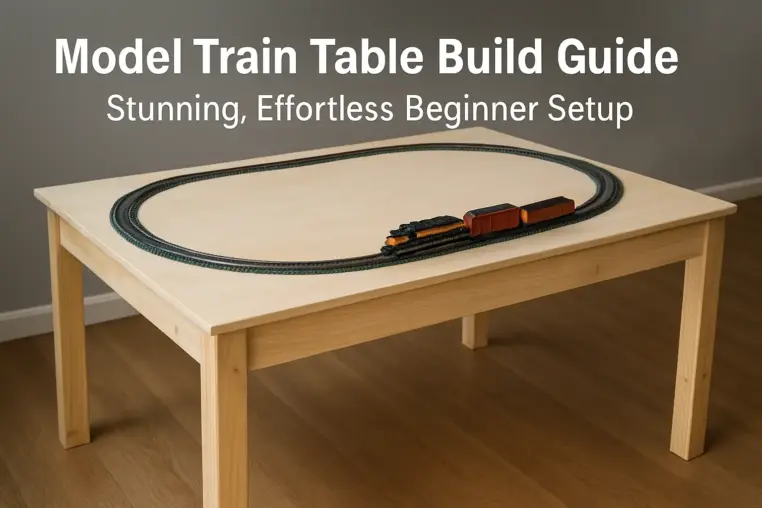
 Model Train Table Build Guide: Stunning, Effortless Beginner Setup
Model trains for beginners can feel intimidating at first, but building your first train table is much easier than many people expect. A well-planned table gives you a strong foundation, helps you avoid common mistakes, and makes the entire hobby more enjoyable from day one. Whether you want a small shelf layout or a larger display that can grow over time, the right setup starts with simple decisions about size, materials, and track planning.
Why a Train Table Matters for Beginners
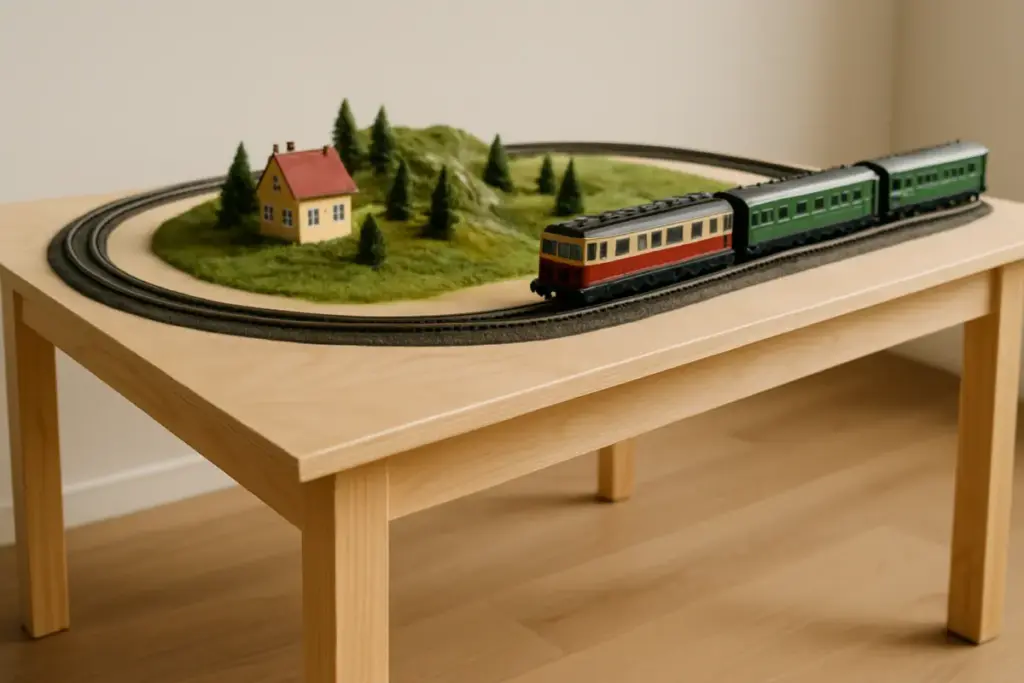
A train table is more than just a flat surface. It creates structure for your layout, keeps your track stable, and makes scenery work much easier. For anyone following a model railroad beginner guide, the table is usually the first major project because it determines how practical and expandable the layout will be.
A good beginner table should be:
– Stable and level
– Easy to access from all sides
– Sized to fit your room
– Strong enough for track, scenery, and accessories
– Simple to modify later
If you are learning how to start model trains, think of the table as the “stage” where everything else happens. It doesn’t need to be fancy. It just needs to support your goals.
Choosing the Right Size and Shape
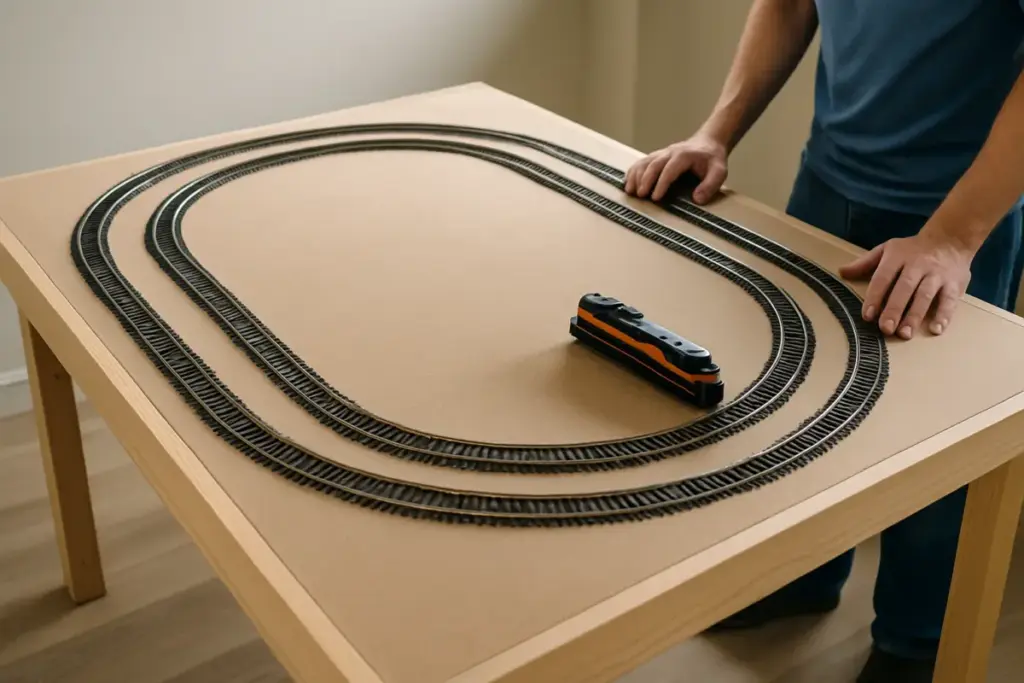
One of the biggest beginner mistakes is building a table that is too large. Bigger is not always better. A table that is too wide can make it hard to reach derailments, clean track, or add scenery.
A few beginner-friendly options include:
– 4×8 foot table: A classic size and easy to build
– Modular sections: Great if you may move later or want to expand
– L-shaped layout: Good for corner spaces and more running distance
– Shelf layout: Best for smaller rooms and more detailed scenes
For model trains for beginners, a 4×8 table is often the simplest place to begin. It fits most rooms, uses standard materials, and provides enough space for a small loop, siding, and scenery.
Materials You’ll Need
You do not need expensive supplies to build a strong table. Basic lumber and plywood are usually enough.
Common materials include:
– 1×3 or 1×4 lumber for the frame
– 1/2-inch or 3/4-inch plywood for the top
– Screws and wood glue
– Adjustable table legs or sawhorse-style supports
– Foam board or cork roadbed for track shaping
– Sandpaper and paint or sealant
If you plan to explore custom model trains later, a sturdy table now will make future model train customization much easier. A strong base supports more detailed scenery, wiring, and track changes.
Building the Frame
Start with the frame before adding the top surface. A simple rectangle with cross supports is usually enough for a beginner layout. The goal is to create a rigid structure that will not wobble or sag.
Basic steps:
1. Cut the lumber to your chosen dimensions.
2. Assemble the outer frame with screws and wood glue.
3. Add cross braces for support.
4. Check that the frame is square.
5. Attach legs or place the frame on a stable support base.
If you want a lightweight setup, keep the frame simple. If you plan on adding heavy scenery, mountains, or multiple train levels later, reinforce the frame with extra braces.
Adding the Tabletop Surface
Once the frame is complete, attach the plywood top. Make sure the surface is smooth and level. Any bumps or dips can cause track problems later.
Before attaching the top, consider these tips:
– Sand rough edges
– Seal the wood to reduce warping
– Mark the layout area before fastening everything
– Leave access holes if you may need wiring underneath
Many beginners skip sealing, but this small step can help protect the table from humidity and improve durability over time.
Planning the Track Layout
This is the part many people look forward to most. Before laying any track, sketch your layout on paper or use a simple planning app. A beginner layout should be easy to operate and not too complicated.
Good beginner track ideas include:
– A simple oval
– A figure-eight
– A loop with one or two sidings
– A small switching yard
For a first layout, focus on smooth operation rather than complexity. A well-running simple plan is more satisfying than an overcrowded design. This is especially important in a model railroad beginner guide because reliable trackwork builds confidence.
Keeping Accessibility in Mind
One of the most overlooked parts of a train table build is reach. You want to be able to access every part of the layout without stretching too far. As a general rule, beginners should keep the table width manageable so derailments and maintenance are easy.
Helpful accessibility tips:
– Keep the layout shallow enough to reach the center
– Avoid placing delicate scenery in hard-to-reach spots
– Plan removable sections if needed
– Leave space for wiring and controls
If you are learning how to start model trains, accessibility will save you frustration later. It is far easier to make a layout slightly smaller and more reachable than to struggle with a table that is too deep.
Adding Scenery and Detail Gradually
You do not need to finish everything at once. In fact, many of the best custom model trains layouts grow in stages. Start with track, then add roadbed, terrain, buildings, trees, and finishing details over time.
This gradual approach is ideal for model train customization because it lets you improve the layout without overwhelming yourself. You can experiment with:
– Grass mats and ground cover
– Small buildings
– Roads and crossings
– Water features
– Weathering and paint details
As you gain experience, you can move into more advanced model railroad modding, such as lighting, digital command control, automatic signals, or custom wiring. A solid starter table gives you room to learn and expand.
Beginner Mistakes to Avoid
Even simple layouts can run into problems if the base is rushed. Watch out for these common mistakes:
– Building the table too large
– Using weak materials
– Skipping support braces
– Failing to level the surface
– Designing track without access in mind
– Trying to add too much too soon
The goal is not perfection. It is to create a reliable, enjoyable foundation that helps you build skill over time.
Final Thoughts
A beginner train table does not need to be complicated to be impressive. With a thoughtful plan, basic materials, and a simple track design, you can create a layout that is both stunning and easy to manage. The best approach is to start small, keep the structure sturdy, and add details gradually as your confidence grows.
For anyone exploring model trains for beginners, the table is the first step toward a rewarding hobby. Once you understand how to start model trains and build a dependable base, you’ll have the freedom to experiment with custom model trains, model train customization, and even advanced model railroad modding later on. The key is to build smart, keep it manageable, and enjoy the process from the very beginning.

