


 Written by
 2026 Best Model Train Starter Sets: Model Trains for Beginners
If you’ve ever watched a model railroad and imagined building your own miniature world, now is a great time to get started. This 2026 model railroad beginner guide walks you through the best starter sets, explains scales and electronics, and shows simple ways to go from boxed set to custom layout. Whether you’re buying your first set as a gift or launching a lifetime hobby, this article will help you choose the right starter kit and learn how to start model trains the right way.
—
Why start model trains in 2026?

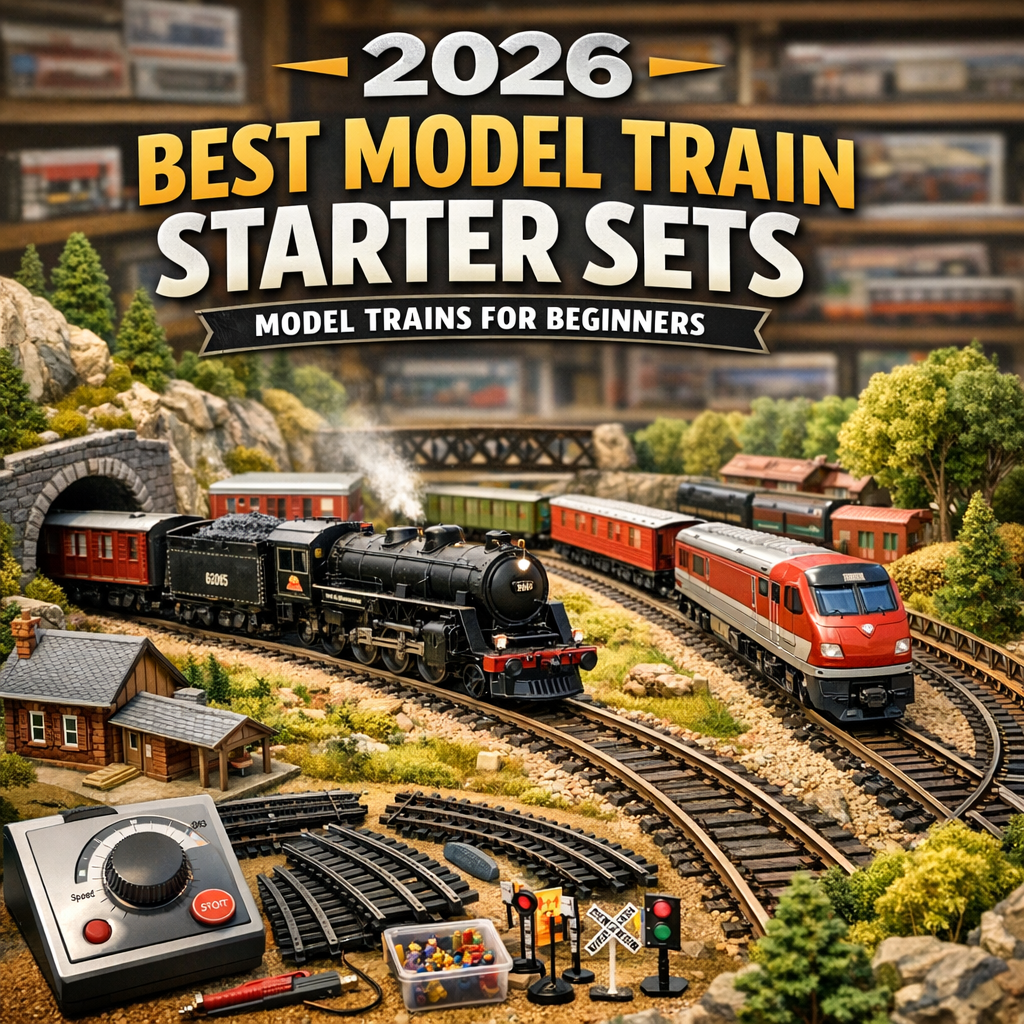
Model railroading remains one of the most satisfying hobbies because it blends engineering, art, and storytelling. Advances in manufacturing and electronics have made ready-to-run sets more realistic and easier to expand than ever. For model trains for beginners, modern starter kits often include reliable track systems, realistic locomotives with sound, and plug-and-play digital options. This lowers the technical barrier and lets newcomers focus on layout design and scenery.
Key benefits:
– Instant gratification: run a complete train straight out of the box.
– Scalable: start small and expand track, scenery, and rolling stock over time.
– Creative outlet: model train customization and model railroad modding can keep you engaged for years.
– Community: local clubs, online forums, and YouTube channels provide support and inspiration.
—
Understanding scales and types
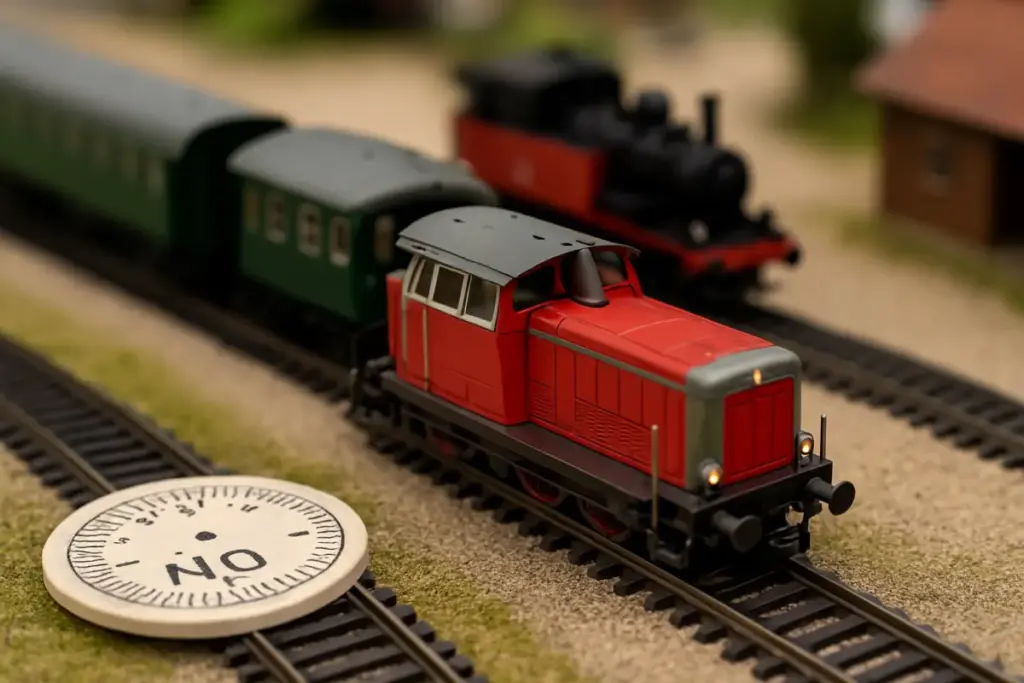
Before you choose a starter set, you need to decide which scale fits your space, budget, and goals. The scale affects cost, detail, and the amount of layout you can build.
HO scale (1:87)
– Most popular scale for beginners and hobbyists.
– Great balance of detail and space requirements.
– Wide availability of locomotives, rolling stock, scenery, and accessories.
– Ideal if you want to expand into a full layout later.
N scale (1:160)
– Smaller than HO; good for limited space.
– Allows more layout in the same area (more scenery and longer runs).
– Slightly more challenging to detail due to smaller size.
O scale (1:48) and G scale (garden trains)
– O scale offers larger, highly detailed models; more expensive and needs more space.
– G scale is for outdoor garden railways—durable and weather-resistant.
Z scale (1:220)
– The smallest common scale; excellent for extreme space constraints but requires fine motor skills.
Tip: If you’re not sure which scale, HO is the safest starting point for model trains for beginners.
—
Best model train starter sets for 2026
Below are starter sets that combine value, ease of use, and upgrade potential. These are chosen with beginners in mind—reliable track systems, good locomotives, and clear upgrade paths.
Bachmann E-Z Track Ready-to-Run HO Starter Set (2026 Edition)
– Scale: HO
– Why it’s great: Bachmann’s E-Z Track system is fast to assemble and includes realistic ballast-style snap-track. The starter sets often include a dependable diesel or steam locomotive with decent traction.
– Includes: locomotive, caboose, two to four freight cars, controller (DC), snap-fit track for an oval layout.
– Upside: Excellent expandability using E-Z Track turnouts and sectional track; lots of aftermarket parts for model train customization.
– Considerations: Basic sets are DC; moving to DCC requires installing a decoder or upgrading the locomotive.
Kato N Scale Starter Set (2026)
– Scale: N
– Why it’s great: Kato quality control is excellent; track is precise and smooth. Great for beginners with limited space who still want long mainlines.
– Includes: high-performance locomotive, several cars, power pack, and often a pre-planned trackplan booklet.
– Upside: Kato Unitrack (if included) is durable and easy to assemble. Strong community support for track plans.
– Considerations: N scale detail is smaller; weathering and customization require fine tools.
Märklin Digital Starter Set (2026)
– Scale: HO (often 1:87 but Märklin uses its own three-rail AC standard)
– Why it’s great: Märklin’s integrated digital systems make stepping into DCC-like control seamless. These sets usually include a controller with built-in sound functions and locomotive with a factory-installed decoder.
– Includes: metal-wheel rolling stock, three-rail track, digital controller, locomotive with sound.
– Upside: Great for hobbyists who want modern control right away and superior locomotive durability.
– Considerations: Märklin’s three-rail system is different from two-rail DC/DCC—plan future purchases accordingly.
Lionel O Scale Beginner Set (2026)
– Scale: O
– Why it’s great: Perfect for those wanting the traditional look and feel—bigger models, classic American prototypes, and robust technology.
– Includes: powered locomotive (often with smoke and sound), cars, transformer, and sectional track.
– Upside: Highly durable and visually impressive; great for holiday displays.
– Considerations: Takes more space and budget.
Hornby ‘All-in-One’ Starter Set (2026)
– Scale: OO (UK preference; close to HO)
– Why it’s great: Hornby’s beginner sets are aimed at introducing young modellers to the hobby with simple plug-and-play setups and child-friendly items.
– Includes: locomotive, cars, power supply, oval of track, and often scenery items or station.
– Upside: Affordable, good for families and school projects.
– Considerations: OO is slightly different from HO in scale and wheel standards—useful to know if expanding internationally.
—
What comes in a typical starter set?
Starter sets vary, but most include these essentials:
– Locomotive: steam, diesel, or electric engine—often with basic lighting and sound in 2026 models.
– Rolling stock: freight cars, passenger cars, caboose.
– Track: an oval or figure-8 layout; sectional track pieces or snap-fit track (e.g., E-Z Track or Unitrack).
– Power pack/controller: DC controller for basic sets; some include DCC or digital controllers.
– Instruction manual: track plans and basic troubleshooting.
– Optional extras: scenery pieces, station buildings, remote coupling, or LED lighting.
Knowing what’s included helps you plan expansion: additional track, switches (turnouts), a siding or yard, and power distribution will be common next purchases.
—
Model railroad beginner guide: how to start model trains (step-by-step)
This practical guide will get your set up and running, and point to sensible first expansions.
1. Unbox and inspect
– Carefully unpack locomotives and cars. Check for shipping damage.
– Run the locomotive on a small loop of track (as instructed) to confirm operation.
– Read the included manual before powering anything.
2. Assemble track and place layout
– Choose a clean, flat surface with room for a baseboard or table.
– Assemble the included track into the provided plan or experiment with a simple oval.
– Ensure good electrical connections at rail joiners.
Example: Build a 4’ x 2’ baseboard and lay an oval—this is enough for hours of enjoyment and future expansion.
3. Power up safely
– Verify controller voltage and connections.
– Start at low throttle settings; run the locomotive slowly and listen for irregular sounds.
– If the locomotive stalls, check for dirty track or wheel dirt.
4. Learn braking, coupling, and reversing techniques
– Practice coupling cars gently—avoid “slam coupling” which can derail cars.
– Reverse slowly to avoid derailments; understand locomotive pickup polarity in DC systems.
5. Expand with a turnout and siding
– Add one or two turnouts to create a siding or small yard.
– Learn basic block wiring if you plan to control separate sections independently.
6. Decide on control system: DC vs DCC
– DC (Direct Current): simpler, cheaper, and adequate for single train operation.
– DCC (Digital Command Control): better for multiple trains and advanced features (sound, lighting, independent control).
– Example: Start with a DC set and later install a DCC decoder in your loco—many starter sets have DCC-ready sockets.
7. Basic maintenance routine
– Clean rails with a track eraser or isopropyl alcohol.
– Clean locomotive wheels periodically.
– Inspect and lubricate gears sparingly—use hobby-grade oil.
—
Model train customization and model railroad modding
Once you’re running trains, custom model trains and model railroad modding become the most satisfying part of the hobby. Modding ranges from cosmetic changes to full electronic upgrades.
Custom model train ideas for beginners
– Paint and weather a freight car using acrylics and washes.
– Add figures to passenger cars or stations to bring scenes to life.
– Kitbash: combine parts from multiple kits to create a unique prototype.
Example project: Take a plain boxcar from your starter set, add decals (road numbers), lightly weather with a rust wash, and add rooftop detail for a convincing freight car.
Model train customization: electronics and detail
– Install LED lighting in passenger cars or cabooses for interior illumination.
– Replace factory couplers with closer-scale knuckle couplers for realism.
– Add sound decoders to locomotives for realistic whistles and engine sounds.
Model railroad modding: intermediate to advanced
– Install DCC decoders for speed control and functions (sound, lighting, smoke).
– Add remote uncouplers using small solenoids or servos for hidden switching.
– Fit motion-activated LED streetlights or building interiors to create dynamic scenes.
Example mod: Install a DCC sound decoder in a diesel loco, add an on-board speaker, and program horn and bell functions—this turns a basic starter set engine into a centerpiece of your layout.
Tools and supplies for customization
– Fine paint brushes, airbrush (optional), hobby knife.
– Small soldering iron for electronics (temperature-controlled).
– Micro drill bits, plastic cement, CA glue, tweezers.
– Digital multimeter for checking continuity and voltage.
—
Example beginner projects and step-by-step mod
Project: Add LED interior lights to a passenger car
1. Remove the car body and examine the interior—identify room for LEDs and wiring.
2. Use warm white 0805 SMD LEDs or prewired LED strips for simplicity.
3. Solder wires to LEDs, run the wires to a power pickup point (wheel pick-ups or lighting leads).
4. Add a resistor appropriate to your voltage (e.g., 1kΩ for 12V) to avoid burning LEDs.
5. Test lighting before reassembling; diffuse light with a thin strip of white plastic.
Outcome: A lit passenger car improves night scenes and is an approachable model train customization.
—
Tools, accessories, and recommended purchases
After the starter set, these items will help you expand and customize:
– Extra track and turnouts (matching the starter system).
– Power feeder wires and a simple multimeter.
– Track cleaner, wheel cleaner, and a small soft-bristle brush.
– Detail parts: trees, ground foam, ballast, structures, figures.
– Hobby tools: precision cutters, needle files, pin vise, and clamps.
– Storage: spare parts box, small containers for screws and couplers.
Pro tip: Buy track and accessories that match the starter track system (e.g., E-Z Track vs Unitrack). Mixing systems can create compatibility headaches.
—
Budgeting and where to buy
How much will you spend? Starter sets vary from around $80 to $600 depending on scale and features. Factor in:
– Starter set: $80–$600
– Extra track and turnouts: $30–$150
– Scenery and structures: $20–$200
– Tools and electronics for modding: $20–$200
– DCC system (if you upgrade): $200–$600+
Where to buy:
– Local hobby shops: best for hands-on advice and immediate support.
– Online retailers: Walthers, TrainWorld, ModelTrainStuff, manufacturer sites (Bachmann, Kato, Hornby).
– Community marketplaces: forums, Facebook groups, and eBay for used gear.
– Club swaps and train shows: great for bargains and local expertise.
Buying tip: Support local hobby shops when possible—they often offer service and advice that online retailers don’t.
—
Common mistakes to avoid for model trains for beginners
– Choosing a set that’s too big or too small for your available space—plan layout size realistically.
– Neglecting maintenance: running on dirty track will cause stalling and frustration.
– Overcomplicating electronics too early: start with basic operation before tackling DCC sound installs.
– Buying incompatible track systems when expanding—match brand and type.
– Rushing scenery: basic scenic techniques like dry brushing and weathering yield dramatic results; learn them slowly.
—
Community and learning resources
Model railroading has a strong community. Tap these resources:
– YouTube channels: step-by-step tutorials on wiring, painting, and DCC installs.
– Local model railroad clubs: most offer layout visits, mentorship, and operating sessions.
– Forums: ModelRailroadForums, RMweb, and Reddit’s r/modeltrains for troubleshooting.
– Manufacturer support: many brands provide detailed manuals and how-to videos.
Joining a club is one of the fastest ways to learn best practices and see real layouts that inspire model train customization.
—
Final thoughts and getting started now
Starting with a well-chosen starter set and a simple plan can lead to years of rewarding hobby time. Focus on enjoying the process—test running, learning basic maintenance, and gradually exploring custom model trains and model railroad modding. With the options available in 2026, there’s a starter set for every space, budget, and interest level.
If you want a quick action plan:
1. Choose your scale (HO recommended for most beginners).
2. Pick a reliable starter set (see the recommended lists).
3. Setup the included oval, run the loco, and learn the basics.
4. Add a turnout and a siding, and practice basic wiring.
5. Try one simple customization—lighting, weathering, or decals.
Welcome to the world of model railroading. With patience and curiosity, you’ll turn a boxed starter set into a unique miniature world full of stories and detail.
—
Conclusion
Model trains for beginners are more accessible than ever in 2026. The right starter set—with clear expandability and user-friendly features—will get you running quickly. This model railroad beginner guide covered scales, the best starter sets, a practical step-by-step setup, introductory customization ideas, tools, budgeting, and how to avoid common pitfalls. Start small, learn the basics, and let model train customization and model railroad modding keep you engaged. The journey from a simple oval to a custom layout is one of the great joys of this hobby.

