

 Written by
 Model Train Layout Ideas: Stunning, Best Small Space Designs
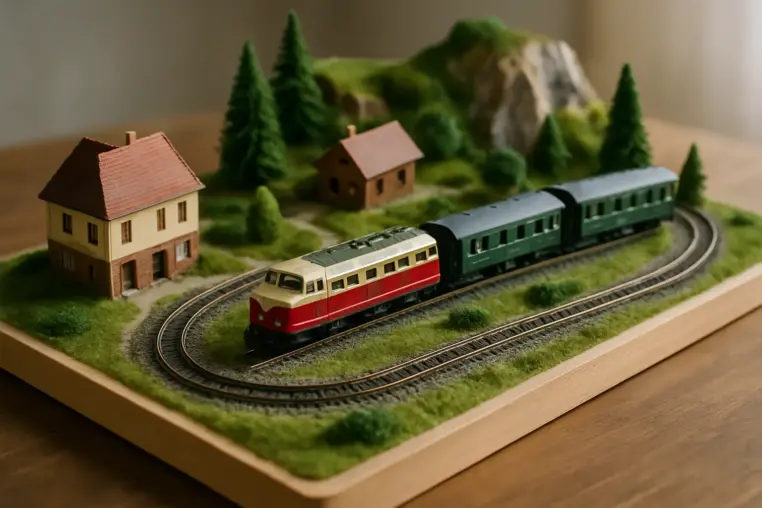
Model train layout ideas can transform even the smallest room, shelf, or corner into a detailed miniature world filled with motion, atmosphere, and creativity. Whether you’re a beginner building your first railroad or an experienced hobbyist looking to make better use of limited space, small layouts offer incredible opportunities for smart design. With careful planning, the right scale, and a few creative techniques, you can create a layout that feels spacious, realistic, and full of life.
Small-space model railroading is not about sacrificing ambition. In fact, compact layouts often encourage more thoughtful design decisions, cleaner operation, and a greater focus on scenery and storytelling. The key is to balance track planning, visual depth, and operational interest so that every inch of your layout works hard.
Why Small-Space Model Railroads Can Be So Impressive

A compact layout can be just as rewarding as a large basement railroad. In some cases, it can be more satisfying because the constraints push you toward smarter solutions. When space is limited, every curve, siding, and scenic detail matters.
Small layouts are ideal for apartments, bedrooms, offices, and shared hobby areas. They are also easier to maintain, less expensive to build, and quicker to complete. For many modelers, this means more time actually running trains and less time waiting for a huge project to get finished.
A well-designed small layout can still include switching operations, hidden staging, industry scenes, elevated track, and even a sense of distance through forced perspective. With the right model railroad layout design, a small footprint can feel much larger than it really is.
Model Train Layout Ideas for Compact Spaces

When planning a smaller layout, it helps to choose a design that matches your goals. Some people want continuous running so trains can circle while they relax. Others prefer realistic switching action or a point-to-point system that reflects real railroad operations. Below are several strong small-space concepts.
Around-the-Walls Layouts
An around-the-walls design makes excellent use of a room’s perimeter while leaving the center open. This approach is especially useful in narrow rooms, spare bedrooms, or hobby spaces where floor area is limited. Because the layout follows the walls, you can create longer mainlines and more interesting scenes without needing a large central table.
This style works well for scenery transitions, such as a town scene on one side and a mountain or industrial district on another. It also gives you room to add staging or hidden loops for more operational variety.
Shelf Layouts
Shelf layouts are one of the best answers for truly tight spaces. Built on narrow benches mounted to walls, these layouts can be simple switching districts or highly detailed scenes. Even though the footprint is small, shelf layouts often feel immersive because the viewer is close to the action.
A shelf layout can be designed around a single industry, a passenger terminal, a short branch line, or a miniature town. Since the layout is narrow, scenery tends to be more focused and manageable. This makes it a great option for beginners and for modelers who enjoy fine detail.
Fold-Up and Portable Layouts
If your space needs to serve multiple purposes, a fold-up layout may be the best solution. These layouts can be built on hinged sections, rolling frames, or modular panels that are stored when not in use. Portable layouts are especially appealing for apartment dwellers or hobbyists who want flexibility.
While they require more engineering, fold-up layouts are excellent for those who want model railway layout planning that adapts to changing space. You can design the layout to fit under a bed, behind a door, or in a closet when not running trains.
Loop-and-Spur Designs
For a simple and effective small layout, a loop-and-spur arrangement can be very satisfying. The loop allows continuous running, while the spur adds switching interest. This gives you both relaxation and engagement in one compact design.
A spur line can serve a mill, warehouse, station, or small freight yard. By adding a few carefully chosen structures, you can create a believable operating environment without overcrowding the space.
Smart Model Railroad Layout Design for Small Areas
Good planning is the difference between a cramped layout and a clever one. In a limited area, you want to think like an urban planner: every feature should have a purpose.
Start by determining your scale, available footprint, and operating style. N scale is often popular for small layouts because it allows more track and scenery in less space, but HO and O scale can also work if the design is simplified. Avoid packing in too much track. Too many turnouts and tight curves can make a layout look unrealistic and difficult to operate.
Keep curves broad where possible, and use hidden staging only if it truly improves the layout. A simple track plan with strong visual composition often looks better than an overcomplicated one. Natural elevation changes, bridges, and scenic dividers can make a compact layout appear much larger.
Lighting matters too. Good lighting enhances depth and highlights details, helping small scenes feel more dramatic. Backdrops, painted skies, and mirrored or forced-perspective techniques can extend the visual field and make the layout seem less confined.
Adding Personality with Custom Model Trains
One of the most exciting parts of the hobby is making your equipment unique. Custom model trains can bring your layout to life by matching the theme, era, and location of your design. A fleet of customized locomotives and rolling stock helps create a consistent and believable scene.
You might repaint engines for a local railroad, add weathering effects, or install sound and lighting upgrades. Even simple changes like renumbering cars or adding era-specific details can make a big difference. If your layout represents a fictional branch line, custom equipment can make it feel like a real railroad with its own identity.
Model Train Customization and Modding Ideas
Model train customization and model railroad modding are powerful ways to improve both appearance and performance. You do not need advanced tools to start. Basic upgrades can include better couplers, wheel replacements, decoder installations, and subtle weathering.
For scenery-related customization, try adding hand-built signs, scratch-built structures, or modified kits that better fit your location. On smaller layouts, a few well-done custom pieces often stand out more than a large number of generic models.
Modding also applies to operations. You can improve track reliability, wire easier switching sections, add lights inside buildings, or integrate control systems that make running trains smoother. These improvements make the layout more enjoyable and can help a small design feel more professional.
Tips for Making a Small Layout Feel Bigger
A small layout can still have a strong sense of scale if you use a few design tricks wisely:
– Use scenic breaks like hills, buildings, tunnels, or backdrops to separate scenes
– Limit clutter and leave open space where appropriate
– Mix foreground detail with softer background elements
– Use structures that fit the location and era
– Add depth through layered scenery and angled track placement
The goal is not to hide the size of the layout completely, but to make the space feel intentional and dynamic. A compact scene with excellent composition will always be more effective than a crowded one.
Final Thoughts
The best small-space railroad designs are the ones that combine creativity, planning, and a clear theme. With thoughtful model railroad layout design and careful model railway layout planning, even a modest area can become a memorable miniature world. Whether you prefer a shelf layout, a loop-and-spur setup, or a detailed around-the-walls design, there are endless ways to make your hobby space both practical and visually stunning.
By incorporating custom model trains, experimenting with model train customization, and exploring model railroad modding, you can build a layout that reflects your style and skill. Small spaces do not limit imagination—they challenge it. And that is often where the most impressive layouts begin.

