

 Written by
 Model Train Layout Ideas: Stunning, Effortless Model Railroad Design
Model train layout ideas can turn a simple hobby into an impressive, rewarding display that reflects creativity, craftsmanship, and planning. Whether you are building your first tabletop loop or expanding a detailed miniature world, the right approach makes a huge difference. A well-designed layout not only looks realistic but also functions smoothly, giving you more time to enjoy operating your model trains and less time troubleshooting problems.
The best layouts balance beauty with practicality. That means thinking about space, scale, track flow, scenery, and accessibility before placing the first piece of track. With smart model railroad layout design, even a compact area can become a rich, immersive scene filled with movement, character, and depth.
Why Model Train Layout Ideas Matter
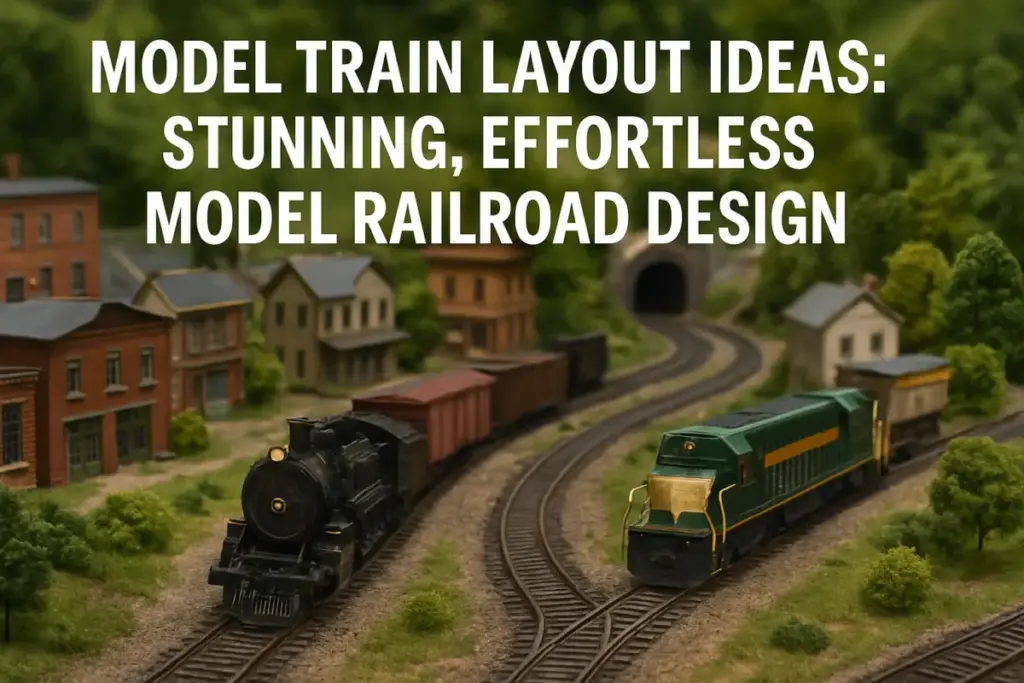
A great layout does more than hold track. It creates a believable environment where trains can move naturally through towns, landscapes, tunnels, yards, and industries. Good planning helps you avoid common mistakes such as overcrowding, awkward track geometry, or scenery that blocks access.
Many beginners start by focusing only on the trains themselves, but the most memorable model railroad displays usually come from a strong overall concept. That concept could be a busy urban terminal, a mountain logging line, a small rural branch, or a modern freight hub. Once you choose a theme, your layout becomes easier to design and more enjoyable to build.
Start with Smart Model Railway Layout Planning

Before buying materials, take time for model railway layout planning. This stage saves money and reduces frustration later. Begin by asking a few key questions:
– How much space do you have?
– What scale will you use?
– Do you want continuous running, switching operations, or both?
– Will the layout be viewed from one side or all around?
– How much detail do you want in scenery and structures?
Your answers will guide the style and size of your layout. For example, a shelf layout works well in narrow spaces and can still feel dramatic with curved mainline track and layered scenery. A rectangular layout offers more room for yards, towns, and industrial areas. Around-the-room designs often allow longer runs and a more realistic sense of movement.
Planning also includes access. If you cannot reach a track section, fixing derailments becomes difficult. Keep all parts of the layout easy to reach, especially hidden sidings, tunnels, and switch machines. A layout that is enjoyable to maintain is far more satisfying in the long run.
Simple Layout Concepts That Look Great
You do not need a massive room to create an impressive model railroad scene. In fact, some of the most effective designs are simple and focused.
The Oval with a Purpose
A basic oval can be transformed by adding scenery, elevation changes, bridges, and a small town. Instead of leaving the track exposed, use landforms to hide parts of the loop and create the illusion of distance. This is one of the easiest model train layout ideas for beginners.
Point-to-Point Switching Layout
This design focuses on realistic operations rather than endless loops. Trains travel from one location to another, such as from a mine to a factory or from a yard to a harbor. It is ideal if you enjoy switching cars and operating a railroad like the real thing.
Continuous Run with Branch Line
If you love watching trains move, a continuous run combined with a branch line offers the best of both worlds. The mainline gives you smooth running, while the branch adds variety and operational interest.
Shelf Layout Along the Wall
Shelf layouts are compact, elegant, and efficient. They are especially useful in apartments or small hobby rooms. With careful model railroad layout design, a shelf can represent a mountain division, a city industrial district, or a scenic coastal route.
Design Tips for a Stunning Finish
A layout feels more realistic when the scenery supports the story of the railroad. Start with the terrain. Mountains, river crossings, fields, and streets should all fit the location and era you are modeling. Avoid placing random structures without context.
Use varying heights to create visual interest. A flat layout can feel boring, while hills, overpasses, embankments, and valleys add drama. Even subtle elevation changes can make model trains look more impressive as they climb or descend through the scene.
Lighting also matters. Good lighting improves visibility and makes colors more natural. Warm LED lighting can enhance buildings and scenery, while shaded areas under bridges or hills add depth.
Another important detail is the use of focal points. A station, engine service area, bridge, or landmark building can draw the eye and give the layout a sense of purpose. Too many competing features can make the scene feel cluttered, so choose a few highlights and build around them.
Keep the Design Effortless and Manageable
Stunning layouts do not have to be complicated. In fact, the easiest layouts to build and maintain are often the most enjoyable. Keep your design manageable by limiting track density and avoiding unnecessary complexity.
Here are a few ways to make the process easier:
– Use modular construction so you can build in sections
– Test track plans before permanently installing them
– Choose scenery materials that are easy to shape and paint
– Leave enough open space for access and cleaning
– Build in stages rather than trying to finish everything at once
A layout that grows gradually allows you to learn as you go. You can refine your model train layout ideas over time instead of locking yourself into a design that no longer fits your goals.
Add Realism with Details
Small details bring a model railroad to life. People, signs, vehicles, weathering, and vegetation all help create realism. A freight yard looks more believable with stacked pallets, trackside clutter, and workers nearby. A town scene feels alive with streetlights, parked cars, and storefronts.
Weathering is especially effective. Real railroads are not spotless, and a little fading, rust, and dirt can make rolling stock and structures look more authentic. Just remember that restraint often works better than overdoing it.
Sound and motion can also enhance the experience. DCC sound systems, animated crossing gates, and operating signals add excitement without overwhelming the scene.
Choosing the Right Layout for Your Style
The best layout is the one that matches your interests. If you enjoy visual beauty, focus on scenery and long scenic runs. If you prefer operating sessions, build a layout with industries, sidings, and switching opportunities. If you want a relaxing display, a simple continuous run may be ideal.
There is no single correct approach to model railroad layout design. The best designs are the ones that reflect your space, your goals, and your imagination.
Final Thoughts
The most successful model train layout ideas combine creativity, planning, and realism in a way that feels effortless to enjoy. By starting with thoughtful model railway layout planning, choosing a practical design, and adding scenery with purpose, you can create a layout that is both beautiful and easy to manage.
Whether your layout is small and simple or large and detailed, the key is to build a scene that tells a story. With the right approach, your model trains will not just run across a table—they will bring a miniature world to life.

