


 Written by
 Model Train Layout Ideas: Stunning, Effortless Model Railroad Design
Model train layout ideas can transform a simple hobby into a creative project that feels immersive, rewarding, and endlessly customizable. Whether you are building your very first tabletop scene or refining a large-scale miniature world, the right layout approach can make your model trains look more realistic and your overall setup much easier to enjoy. A thoughtful design balances visual appeal, operational flow, and practical space usage so your model railroad feels both impressive and manageable.
Why Layout Planning Matters
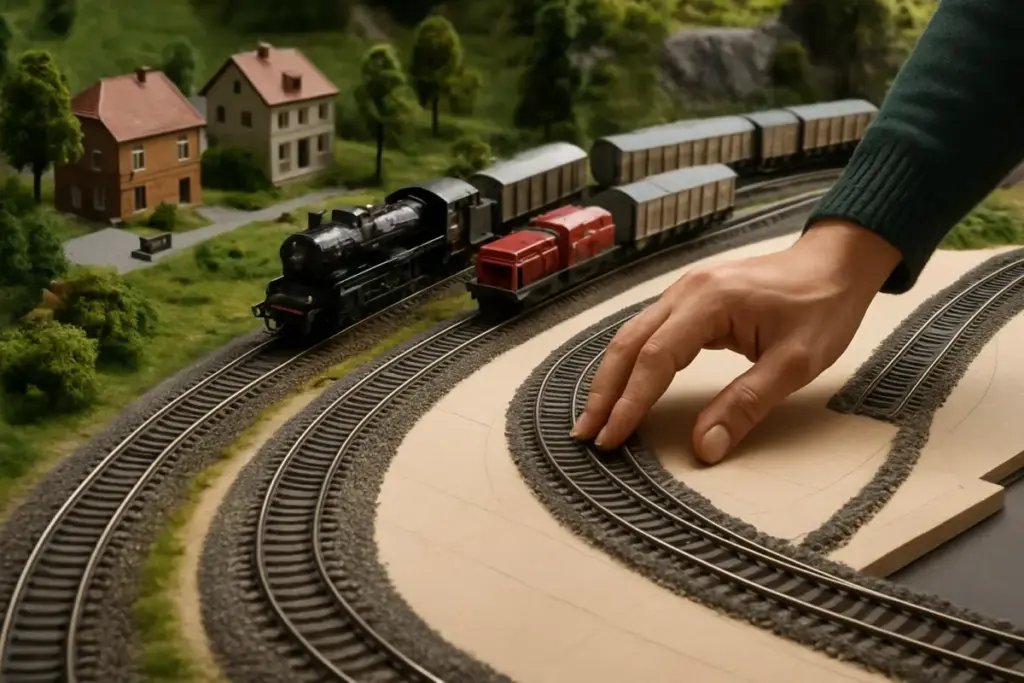
Good layout design is about more than placing tracks on a board. It shapes how your trains move, how scenery tells a story, and how accessible the layout will be during construction and maintenance. Careful planning can prevent common frustrations such as tight curves, awkward track connections, or scenery that blocks future upgrades.
When beginning a project, it helps to think of the layout as a miniature world rather than just a route. Ask yourself what kind of environment you want your model trains to travel through. Do you imagine a busy city terminal, a mountain pass, a quiet rural town, or a freight-heavy industrial area? Answering these questions early will guide every decision that follows.
Model Train Layout Ideas for Different Spaces

One of the best parts of the hobby is that there is no single “correct” way to build a layout. The ideal design depends on the room, budget, skill level, and available time.
Small Space Layouts
If you are working with limited space, compact designs can still deliver impressive results. A shelf layout along a wall, a narrow around-the-room loop, or a switching layout with a strong theme can create a realistic scene without requiring a large footprint. Small layouts often benefit from clever scenery choices, such as bridges, tunnels, and vertical terrain, which add depth and visual interest.
Medium Room Designs
For hobbyists with a dedicated room or larger area, a multi-scene layout offers more flexibility. You can include a mix of mainline running, sidings, yards, and town scenes. This type of design works especially well if you enjoy both watching trains circulate and actively switching cars. A medium-sized layout can also support more detailed model railroad layout design, with distinct districts connected by a believable track plan.
Large Basement or Garage Layouts
A larger space opens the door to ambitious builds. You may be able to add multiple industries, a mountain division, passenger stations, and operational branches. At this scale, model railway layout planning becomes especially important because it helps keep the project organized. Breaking the layout into sections or modules can make construction less overwhelming and improve access for wiring, scenery, and maintenance.
Core Principles of Model Railroad Layout Design
A beautiful layout usually combines a few essential design principles. These make the finished scene look natural while keeping the trains easy to operate.
Keep the Track Plan Realistic
Even stylized layouts benefit from believable track arrangements. Avoid overly sharp curves if possible, and allow enough spacing for larger rolling stock. A realistic track plan not only improves appearance but also reduces derailments and improves performance.
Build in Operating Interest
A layout becomes far more engaging when it offers more than a simple loop. Add switching opportunities, passing sidings, staging areas, or industrial spurs. These features give model trains a purpose and create a sense of activity. You do not need a complicated system to make operation enjoyable; even a small freight yard or single industry can add hours of interest.
Balance Scenery and Track
The best layouts are not just about trains or scenery alone. Track should feel integrated into the landscape. Roads, buildings, hills, rivers, and trees should help explain why the tracks are where they are. Good scenery makes the model railroad feel like a believable place rather than a collection of separate parts.
Easy Themes That Work Well
Choosing a theme gives your layout direction and prevents design choices from feeling random. A clear theme can also make it easier to select structures, rolling stock, and scenery.
Rural Branch Line
A rural branch line is a popular option because it is simple, charming, and flexible. It can feature small towns, grain elevators, a station, a farm, and a few modest industries. This style works especially well for hobbyists who want a scenic layout with relaxed operations.
Mountain Route
A mountain route offers dramatic elevation changes, tunnels, and bridges. It creates a visually stunning setting for model trains and can make a compact space feel larger. Careful planning is needed to manage grades, but the result is often worth the effort.
Urban Terminal
An urban layout can include dense buildings, passenger stations, warehouses, and street trackage. This is a strong choice for anyone interested in complex switching and city atmosphere. With the right details, an urban layout can look highly realistic even in a relatively small footprint.
Industrial Switching District
If you enjoy operational challenges, an industrial district is an excellent choice. Multiple sidings, loading areas, and warehouses provide constant movement and decision-making. This approach is especially good for those who want practical model railroad layout design that emphasizes function over long-distance running.
Tips for Effortless Model Railway Layout Planning
Effortless does not mean careless. It means planning in a way that saves time, avoids mistakes, and makes the build enjoyable from start to finish.
Start with a simple sketch before committing to materials. This helps you experiment with ideas and identify problems early. Use paper templates, digital design software, or even masking tape on the floor to visualize the space.
Think about access from the beginning. If you cannot comfortably reach every area of the layout, construction and maintenance will become difficult. Removable sections, open benchwork, and reachable track areas can prevent future headaches.
Leave room for future expansion whenever possible. Many hobbyists begin with a modest layout and later add staging, new industries, or extra scenery. Planning ahead gives your layout room to grow with your skills and interests.
Bringing Your Model Railroad to Life
Once the track plan is in place, the details make the layout feel alive. Add realistic buildings, weathered tracks, road crossings, figures, and lighting. Small touches like parked vehicles, signals, and utility poles can make a big visual difference.
Sound and movement can also enhance the experience. If your equipment supports it, adding sound decoders or animated accessories can bring the scene to life. Even subtle details, such as a busy freight yard or a passenger platform with waiting figures, can make model trains feel active and authentic.
Final Thoughts
The most successful layouts combine practicality, creativity, and a clear sense of purpose. With the right model train layout ideas, you can create a setup that is visually striking and surprisingly easy to build and enjoy. By focusing on thoughtful model railroad layout design and careful model railway layout planning, you can build a miniature world that reflects your style, fits your space, and keeps your model trains running beautifully for years to come.

