

 Written by
 Mountain Layout Construction: Best Stunning Model Train Layout Ideas
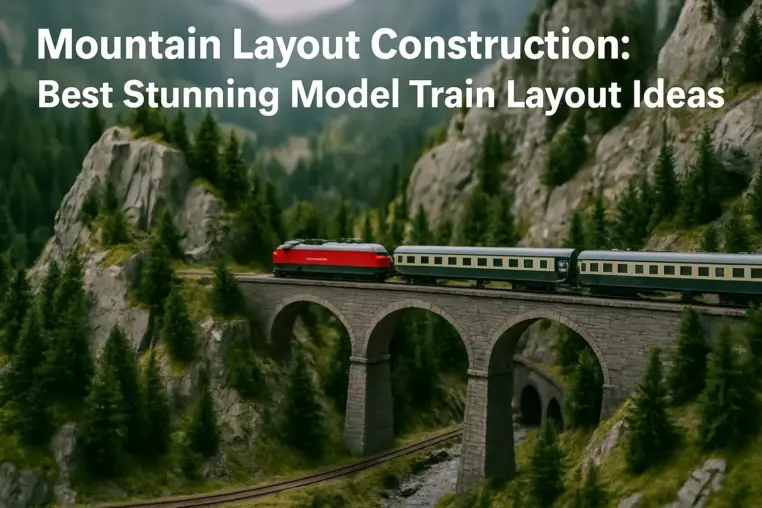
Model train layout ideas inspired by mountains can transform a simple tabletop railroad into a dramatic miniature world. Steep cliffs, winding tunnels, elevated bridges, and hidden valleys create a sense of scale and adventure that flat layouts often lack. Whether you are building your first scenic mountain route or refining an advanced display, mountain-themed railroad design offers endless opportunities for creativity, realism, and technical skill.
A well-built mountain scene does more than look impressive. It also shapes how trains move through the layout, influencing track grade, tunnel placement, switching options, and scenic storytelling. With thoughtful planning and a few smart construction techniques, you can create a layout that feels alive, dynamic, and visually stunning.
Why Mountain Scenes Work So Well in Model Railroading

Mountain scenery adds depth and drama to any railroad setup. Instead of running trains in simple loops, you can build routes that climb, descend, curve around rock faces, and disappear into tunnels before reemerging over a bridge. This makes the layout more engaging for viewers and more rewarding for operators.
Mountain environments also give you room to tell a story. A freight train might wind through a mining district, while a passenger line crosses a high pass. Logging camps, alpine villages, and remote depots all fit naturally into the scene. These details help turn a train set into a believable miniature world.
For hobbyists who enjoy model railroad layout design, mountain construction is especially appealing because it combines scenic modeling with operational planning. The layout becomes a mix of engineering and artistry, where each track choice affects both appearance and performance.
Model Train Layout Ideas for Mountain Terrains

There are many ways to build a mountain railroad, depending on your available space, skill level, and preferred style. Below are some of the most popular and visually effective approaches.
1. The Spiral Climb Layout
A spiral climb is one of the most impressive model train layout ideas for mountain scenery. Tracks wind upward around a hill or inside a mountain, allowing trains to gain elevation gradually. This design is ideal when you want to create dramatic vertical movement without using a large footprint.
The spiral can be hidden inside a mountain shell or left partially visible so viewers can follow the train’s ascent. If you make the turns broad enough, the layout remains smooth and reliable while still looking realistic.
2. The High Mountain Pass
A mountain pass layout puts the train line at a high elevation, crossing ridges and narrow valleys. This style works well with long bridges, trestles, and cliffside track sections. It is particularly effective for layouts that aim to showcase open scenery rather than dense urban areas.
A high pass gives you a chance to use layered scenery. You can place rocks and trees in the foreground, then add distant peaks painted on the backdrop for a convincing sense of depth.
3. The Tunnel and Canyon Route
If you want a dramatic and compact setup, a route that alternates between tunnels and canyon walls can be very effective. The train appears and disappears frequently, creating movement and surprise. This type of design also helps you hide track transitions and loops while maintaining a scenic look.
Canyon walls can be made from plaster, foam, or carved insulation. Adding weathering, rock texture, and sparse vegetation makes the area feel rugged and natural.
4. The Logging or Mining Branch Line
A branch line running through mountainous terrain creates a believable reason for smaller trains and tight curves. This is a great option for collectors interested in historic railroading or industrial scenes. You can include sawmills, ore bins, bunkhouses, and loading platforms to support the theme.
This style works especially well with custom model trains because you can age locomotives and rolling stock to match the environment. Weathered paint, dirt effects, and industry-specific detailing make the entire layout more authentic.
Planning the Layout Before Construction
Good model railway layout planning is essential for a successful mountain build. Mountains may look like simple scenery, but they affect nearly every part of the layout.
First, decide how much space you can dedicate to elevation changes. Steeper inclines look dramatic, but trains need enough traction to handle them safely. As a rule, keep grades gentle unless you are planning for short trains or powerful locomotives.
Next, consider where tunnels, bridges, and hidden track will go. These features should serve the overall route rather than being added randomly. It helps to sketch the full track plan before cutting foam or laying track. This lets you identify problem areas such as tight curves, hard-to-reach maintenance spots, or awkward scenic transitions.
You should also plan for access. Mountain layouts often include hidden sections, so removable panels or access hatches can save a lot of frustration later. A beautiful layout is only useful if you can clean track, rerail cars, and reach electrical connections when needed.
Building Realistic Mountain Forms
The mountain itself is the centerpiece of the scene, so its shape matters. Natural mountains are rarely smooth cones. They usually have uneven slopes, ridges, jagged cliffs, and broken rock faces. Recreating these features will make the layout much more convincing.
A common method is to build the basic shape using foam board, stacked cardboard, or wire mesh covered with plaster cloth. Once the main form is in place, you can carve rock strata and add texture with sculpting tools. Painting with layered earth tones and dry-brushed highlights gives the rocks depth and realism.
Vegetation is equally important. Trees, shrubs, grasses, and ground cover help scale the mountain correctly. A few tall pines can make a cliff feel larger, while sparse alpine vegetation can suggest high elevation. Small details such as fallen logs, dirt paths, and exposed soil also enhance the scene.
Custom Details That Bring the Scene to Life
One of the best parts of mountain modeling is the opportunity for model train customization. You can make your railroad unique through small details that reflect a specific era, region, or story.
For example, you might customize locomotives with weathering effects to show heavy use on steep grades. You could add unique freight cars for a mining line, or build a custom station perched on a cliffside shelf. Hand-painted signs, signal structures, and era-appropriate structures all help define the personality of the layout.
Model railroad modding can also improve performance. If your mountain layout uses sharp curves or steep grades, you may need to modify rolling stock for better tracking or adjust locomotive weights for improved pulling power. Small technical upgrades can make a big difference in how well the layout operates.
Lighting and Scenic Effects
Lighting can dramatically improve a mountain layout. Warm lighting around a village scene, cool tones in a shaded canyon, and subtle backlighting behind mountain peaks can add mood and depth. If your layout includes tunnels or hidden sections, interior lighting can create the illusion of movement through the mountain.
You can also use scenic effects to enhance realism. Waterfalls, small rivers, fog effects, or distant painted horizons all contribute to the sense of place. Even simple additions like reflective resin for mountain streams can make the scene more memorable.
Final Thoughts
A mountain-themed railroad offers some of the most rewarding opportunities in the hobby. With careful planning, strong scenery work, and a creative approach to operation, you can turn a basic track plan into a captivating landscape. From spiral climbs and canyon routes to mining branches and alpine passes, the right design can make your layout feel larger, richer, and more immersive than its physical size suggests.
If you enjoy building scenes that combine artistry, engineering, and storytelling, mountain layouts are an excellent choice. They give you room to experiment with model train layout ideas, improve your model railroad layout design, and explore advanced model railway layout planning techniques. Most importantly, they let you create a miniature world that feels truly unforgettable.

