


 Written by
 Model Train Layout Ideas: Stunning Best Model Railroad Design
Model train layout ideas can turn a simple hobby into a captivating miniature world filled with movement, detail, and personality. Whether you are building your first display or refining an advanced setup, the best layouts balance creativity, realism, and practical design. A strong plan helps you make the most of your available space while creating a scene that feels lively and believable. From compact shelf arrangements to large-scale landscapes, the right approach can transform your model trains into a centerpiece that inspires admiration and enjoyment.
Why Good Planning Matters in a Model Railroad Layout
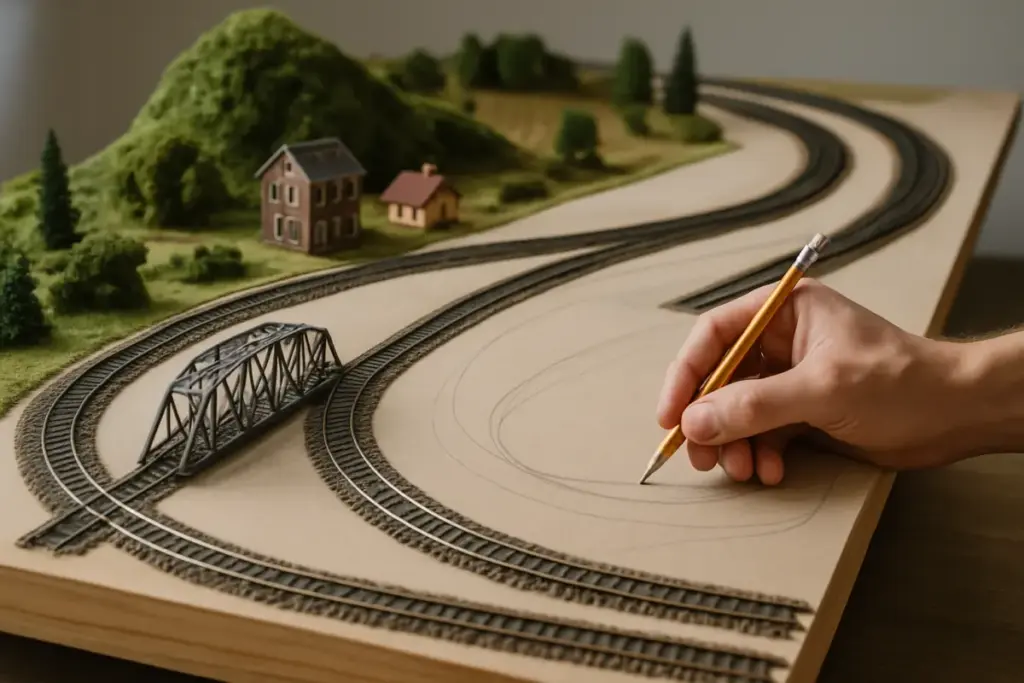
Before placing the first track, it helps to think through the overall vision. Model railroad layout design is not just about fitting rails into a room; it is about shaping a miniature environment that works visually and mechanically. A well-planned layout supports smooth operation, easy access for maintenance, and realistic scenery.
Many beginners start with a track-first mindset, but model railway layout planning works best when scenery, structure placement, and operational goals are considered from the beginning. Do you want a switching yard, a mountain route, a small town, or a busy industrial scene? Your answer will influence track shape, elevations, and the types of structures you include.
A thoughtful plan also prevents common problems such as difficult-to-reach tracks, cramped curves, and unfinished scenes that never quite come together. Good planning creates a layout that is enjoyable to build and rewarding to operate.
Popular Model Train Layout Ideas for Every Space

One of the best parts of the hobby is that there is no single correct way to build. The right layout depends on your room, budget, scale, and personal style. Here are a few popular ideas that work well for different kinds of model train enthusiasts.
1. The Simple Oval with Scenic Expansion
A classic oval is often the starting point for many model trains setups. While basic in shape, it can become much more interesting when paired with scenery, buildings, and sidings. You can add hills, a town center, or a small freight area to make the layout feel complete.
This option is ideal for beginners because it is easy to build and reliable to operate. It also leaves room for future upgrades as your skills grow.
2. Point-to-Point Operations
If you want more realism, consider a point-to-point design. Instead of trains endlessly circling a loop, they travel between two meaningful destinations such as a mining town and a distribution yard. This style adds purpose to every run and makes the layout feel more like a real railroad.
Point-to-point layouts are especially appealing for those who enjoy switching, scheduling, and operational variety. They can also be tailored to reflect a specific region or historical period.
3. Shelf Layouts for Limited Space
Not everyone has room for a full basement setup. Shelf layouts are one of the smartest model train layout ideas for apartments, offices, and small hobby rooms. Mounted along the wall, these narrow designs can still include multiple industries, towns, and scenic scenes.
Because they are shallow, shelf layouts often emphasize visual storytelling and operation over large loops. They are perfect for model railroad fans who want an impressive display without dedicating an entire room.
4. Multi-Level Mountain Railroads
Adding elevation changes can instantly make a layout more dramatic. A mountain route with tunnels, bridges, and switchbacks creates the feeling of a powerful line pushing through rugged terrain. This type of design is visually striking and gives your model railroad a sense of movement and adventure.
Elevated sections also help solve space challenges by allowing trains to pass over themselves and create the impression of a larger route within a smaller footprint.
5. Industrial Switching Districts
For operators who love action, industrial scenes offer endless possibilities. A yard filled with warehouses, loading docks, factories, and service tracks can create a highly interactive railroad environment. Cars are constantly being moved, sorted, and delivered.
These layouts are ideal for people who prefer realistic rail activity over long scenic runs. They also allow for detailed structures and weathering effects that make the scene come alive.
Key Elements of Successful Model Railroad Layout Design
No matter which concept you choose, the strongest layouts usually share a few important features. These elements help create a balanced and visually appealing setup.
Track Flow and Accessibility
Track should feel natural, not forced. Avoid sharp, awkward turns unless they make sense for the scene. Make sure every section can be reached for cleaning, repairs, and adjustments. Accessibility is often overlooked during model railway layout planning, but it becomes crucial once the layout is in use.
Realistic Scenery
Scenery gives your layout personality. Roads, rivers, trees, rock formations, and grassy fields all help set the scene. Even a small amount of scenery can make model trains look more lifelike. Focus on details that match the era and location you want to represent.
Structures with Purpose
Buildings should not feel random. Each structure should have a reason for being there, whether it is a depot, a grain elevator, a station, or a factory. Purposeful placement makes the entire model railroad feel believable.
Operational Interest
Think about what the trains are doing. Are they delivering goods, transporting passengers, or moving through a mountainous route? Adding operational purpose makes the layout more engaging and gives you more reasons to run your model trains regularly.
Tips for Better Model Railway Layout Planning
A few smart habits can improve your results and save time later.
Start with a theme. A strong theme gives direction to your design and helps you choose scenery and structures that fit together.
Measure your space carefully. Knowing the exact dimensions of your room or table prevents unrealistic plans and awkward compromises.
Sketch ideas before building. Even rough drawings can help you test track arrangements and identify potential issues.
Think in layers. Base terrain, track level, bridges, and structures all add depth and visual interest.
Leave room for growth. Many model railroad layouts evolve over time, so it is wise to design in a way that allows expansion or modification.
Making Your Model Trains Stand Out
The best layouts do more than move trains in circles. They create atmosphere. Lighting, weathering, figures, and carefully chosen details all help your model trains feel part of a living world. A lightly weathered freight car, a station platform with passengers, or a road crossing with warning signs can add a surprising amount of realism.
Sound, animation, and motion effects can also increase interest. A crossing gate, a blinking signal, or a working factory scene adds life to the layout and makes it more immersive.
Final Thoughts
Model railroad layout design is both an art and a practical challenge. The most successful layouts combine smart planning with creativity, allowing model trains to operate smoothly in a setting that looks realistic and engaging. Whether you prefer a compact shelf layout, a mountain scene, or an industrial switching district, the key is to build something that reflects your interests and fits your space.
With careful model railway layout planning, even a modest setup can become a stunning miniature world. The best model railroad is not necessarily the largest one, but the one that brings your vision to life and keeps you inspired every time you switch it on.

