

 Written by
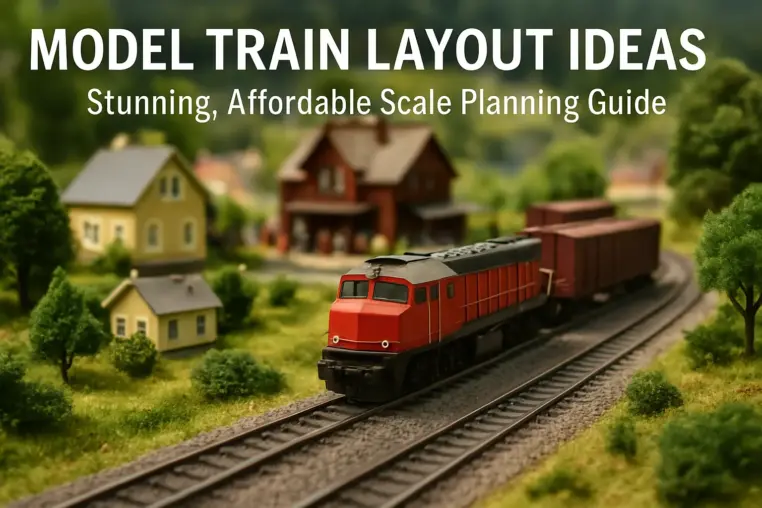
 Model Train Layout Ideas: Stunning, Affordable Scale Planning Guide
Model train layout ideas can turn a simple tabletop into a detailed miniature world filled with scenery, movement, and personality. Whether you are a beginner building your first setup or an experienced hobbyist looking to refresh an existing design, the key is finding a balance between creativity, realism, and budget. A great layout does not have to be expensive or massive; with smart planning and the right scale, you can create something both beautiful and practical.
One of the most exciting parts of the hobby is choosing a theme and structure that match your space, interests, and skill level. Some modelers prefer a compact switching layout packed with industrial detail, while others dream of sweeping mountain routes, busy stations, or small-town rail scenes. With the right approach, your layout can look impressive without becoming overwhelming or costly.
Understanding the Basics of Model Railroad Layout Design

Before placing any track, it helps to think about the overall purpose of the layout. Good model railroad layout design starts with a clear concept. Ask yourself what kind of railroading you want to model: freight operations, passenger service, logging lines, urban transit, or a mix of everything. The answer will help shape your track plan, scenery, and structures.
A strong layout design usually includes three essentials:
– Purpose: Will trains run continuously, or will you be switching cars and operating industries?
– Space: How much room do you realistically have?
– Scale: Which size best fits your goals and available space?
Even a small layout can be highly enjoyable if the plan is thoughtful. In fact, many of the most memorable layouts are compact because they focus on a specific scene or operating challenge rather than trying to include too much at once.
Choosing the Right Scale for Your Space

Your choice among the many available model train scales affects everything from cost to detail to the amount of track you can fit in a room. The most popular options for home layouts are HO and N scale, each with distinct advantages.
HO Scale Trains: The Versatile Favorite
HO scale trains are among the most widely used because they offer a strong balance of detail, availability, and manageable size. The scale is large enough to show impressive detail, yet compact enough for many home layouts. If you want a broad selection of locomotives, rolling stock, accessories, and scenic components, HO is a smart choice.
HO scale is especially good if you like building scenes with people, vehicles, and structures that are easy to see and work on. For beginners, it can also be easier to handle than smaller scales, especially when installing track, wiring, or scenery.
N Scale Trains: Maximum Layout in Minimum Space
For modelers with limited space, N scale trains are a powerful option. Because the trains are smaller, you can fit longer mainlines, more complex track arrangements, and larger scenic areas into the same footprint. This makes N scale ideal for apartment layouts, shelf layouts, or ambitious railroad scenes in a spare room.
N scale is also appealing for those who want the feeling of long-distance railroading in a compact area. While the parts are smaller and may require more careful handling, the payoff is the ability to create a layout with remarkable depth and variety.
Model Train Layout Ideas That Work on a Budget
A stunning layout does not need expensive custom scenery or premium models from the start. Affordable layouts often look better because they are planned with purpose. Here are some practical and creative model train layout ideas that keep costs reasonable:
1. Build a Small Switching Layout
A switching layout focuses on moving cars between industries, yards, and sidings. It requires less track than a large continuous loop, which saves money while still providing plenty of operation. You can model a freight warehouse, grain elevator, factory district, or small town.
This type of layout is ideal if you enjoy hands-on railroading and want a more realistic challenge than simply watching trains circle the track.
2. Use a Shelf Layout
Shelf layouts are narrow and space-efficient, making them perfect for bedrooms, offices, or basements. They can still include interesting scenes such as bridges, tunnels, industries, and stations. Because they use less plywood and track, they are often more affordable than larger island-style layouts.
3. Focus on One Signature Scene
Instead of trying to represent an entire region, choose one memorable location. It could be a mountain pass, coastal port, desert town, or urban terminal. Focusing on one scene allows you to spend your budget where it matters most, creating a visually rich and believable environment.
4. Start with a Simple Loop and Expand Later
Many modelers begin with a basic oval or dogbone plan and add sidings, structures, and scenery over time. This approach keeps startup costs down and allows the layout to evolve naturally. If you are unsure about your long-term goals, this is one of the safest ways to begin.
Smart Planning Tips for Better Model Railway Layout Planning
Effective model railway layout planning can save time, money, and frustration. A layout that looks good on paper may not work well in real life unless you consider access, reach, and operating space.
Keep Reach in Mind
Make sure you can easily access all parts of the layout for maintenance and scenery work. Deep layouts can be difficult to reach, especially if they sit against a wall. Narrower benches or access hatches can make the whole layout easier to use.
Plan for Future Expansion
If your budget is tight, leave room for expansion. You might start with one town or one yard and later add staging, an extension, or a second level. Designing with future growth in mind helps protect your investment.
Test Track Plans Before Committing
Before permanently laying track, use flexible track sections, cardboard templates, or digital planning software to test the design. This can help reveal tight curves, awkward turnouts, and other issues before they become expensive mistakes.
Think About Operating Variety
A good layout offers more than just a train circling endlessly. Include industrial spurs, run-around tracks, or a small yard to add operational interest. Even one or two well-placed sidings can make the experience more engaging.
Affordable Scenery and Detail Ideas
Scenery can make a modest layout look much larger and more realistic. You do not need to buy everything pre-made. In fact, many of the best effects come from simple materials and creative reuse.
Try these budget-friendly scenery ideas:
– Use plaster cloth, foam, or cardboard for basic terrain shapes
– Make trees from wire, twine, or natural materials
– Use sand, dirt, and fine gravel carefully sealed and painted
– Create roads with painted foam board or cardstock
– Add life with inexpensive figures, signs, and vehicles
A small amount of detail placed strategically can dramatically improve the overall look. Focus on areas the viewer sees first, such as a station platform, crossing, or industrial yard.
Matching Layout Style to Your Goals
Different hobbyists want different things from the same layout. Some prefer realism and prototypical operations, while others want a relaxing display with scenic trains moving through a miniature landscape. There is no single correct design.
If you enjoy realism, choose a region and era, then build around prototype-inspired industries and train types. If you want something more imaginative, combine elements that appeal to you visually. The best layouts reflect the builder’s interests and bring enjoyment every time a train moves.
Final Thoughts
Creating a model railroad is as much about planning as it is about building. By exploring practical model train layout ideas, understanding your available space, and choosing from the most suitable model train scales, you can design a layout that is both affordable and impressive. Whether you prefer the broad appeal of HO scale trains or the space-saving flexibility of N scale trains, success comes from thoughtful model railroad layout design and patient model railway layout planning.
Start with a realistic budget, build one scene at a time, and let the layout grow with your skills. With careful planning and a creative vision, even a modest setup can become a stunning miniature railroad you will enjoy for years.

