


 Written by
 Model Train Layout Ideas for Stunning, Effortless Model Railroad Design
Model train layout ideas can turn a simple hobby into a visually impressive and deeply rewarding creative project. Whether you are building your first shelf layout or refining a large multi-level scene, the right approach can make your model railroad feel more realistic, functional, and enjoyable to operate. A great layout is not just about placing tracks on a board. It is about planning movement, scenery, scale, and atmosphere so the entire setup feels believable and alive.
The best layouts often start with a clear purpose. Some hobbyists want a compact display that looks beautiful in a small room. Others want a busy operating layout with switching, stations, and freight yards. Many enthusiasts want a balance of both. No matter your goal, thoughtful planning can help you avoid common mistakes and create a railroad that looks polished without becoming overly complicated.
Why Planning Matters in Model Railroad Design

Good model railroad layout design begins long before the first piece of track is installed. Planning helps you decide how trains will move, where scenery will go, and how much space is needed for structures, tunnels, and access points. Without a plan, even a well-built layout can feel cramped or unrealistic.
One of the most important reasons to plan carefully is to match your layout to your available space. A layout that works well in a basement will not necessarily fit in a spare bedroom or apartment corner. By measuring the room and sketching a basic concept first, you can create a design that works with your environment instead of against it.
Planning also helps with maintenance. Even the most detailed model railroad needs to be cleaned, adjusted, and accessed from time to time. If tracks are placed too far from the edge or scenery blocks critical areas, simple repairs can become frustrating. A practical design saves time and keeps the hobby enjoyable.
Start With a Simple Layout Concept
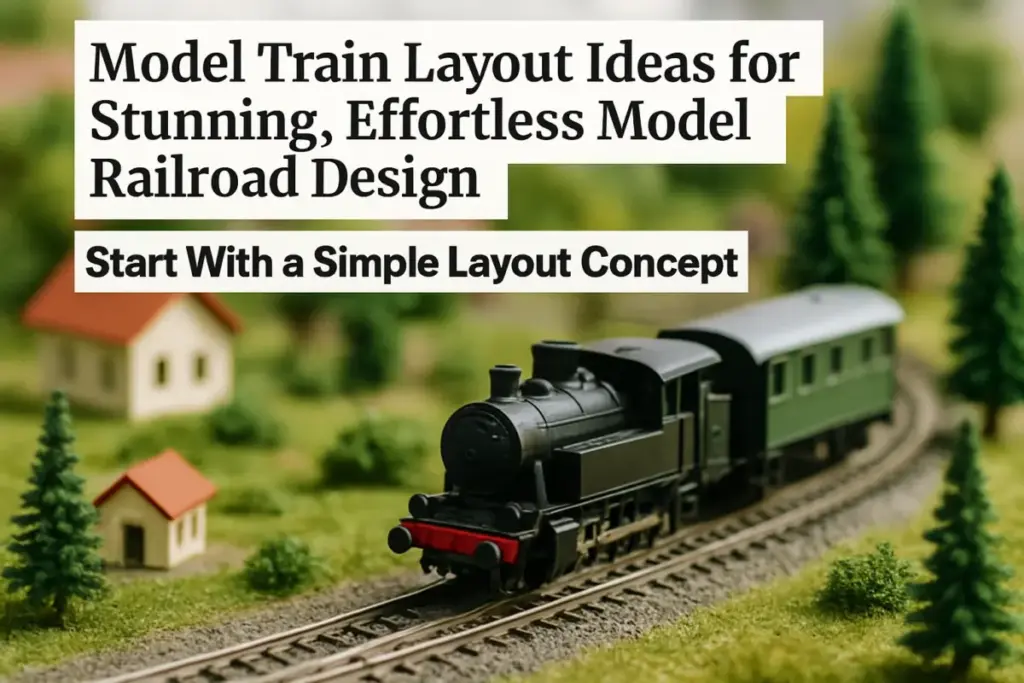
If you are looking for easy-to-manage model railway layout planning, start with a simple concept. A loop, point-to-point route, or folded dogbone layout can provide plenty of visual interest without overwhelming the builder. Simplicity often leads to better results because it leaves room for scenery and detailed craftsmanship.
A continuous loop is ideal for those who enjoy watching trains run for long periods. It creates a classic railroad feel and is especially appealing for displaying model trains in motion. A point-to-point layout, on the other hand, is better for operating sessions where trains move between destinations and switching becomes part of the experience. If you want both running and operational variety, a dogbone or oval with spurs can be a smart compromise.
The key is not to try to fit too much into the space. Overcrowding can make a layout feel unrealistic and limit access. Often, the most stunning designs are the ones that use space wisely rather than filling every inch.
Model Train Layout Ideas That Look Realistic
One of the strongest ways to improve a layout is to focus on realism. Real railroads do not run straight through every scene or keep structures in perfect symmetry. Adding gentle curves, elevation changes, and varied scenery can make your layout much more convincing.
Here are a few effective ideas:
– Use varied terrain: Hills, cuts, embankments, and river crossings add natural depth.
– Break up track lines: Long straight tracks can look artificial. Curves and slight angles feel more authentic.
– Create a destination: A town, industrial area, harbor, or mountain pass gives the trains a reason to exist.
– Mix structure sizes: Not every building should dominate the scene. Smaller details make the layout feel lived-in.
– Add foreground and background layers: Trees, fencing, signs, and painted backdrops create a sense of scale.
These techniques help transform a basic track arrangement into a believable railroad environment. The goal is not perfection but visual harmony.
Keep Operations Easy and Enjoyable
An effortless layout is one that is simple to run and maintain. When designing your railroad, think about how the trains will operate on a day-to-day basis. Consider access to track switches, wiring, and rolling stock storage. This is especially important if you plan to host others or run long sessions.
Make sure the track plan supports your style of operation. If you enjoy switching cars at industries, include sidings and spurs that are easy to reach. If you prefer mainline running, prioritize smooth curves and reliable track geometry. Good model railroad layout design is not just about appearance; it is also about how well the layout performs in real use.
Another useful tip is to test the track before final scenery is added. Running trains early helps identify tight curves, dead spots, or awkward turnouts. Fixing these issues later can be much harder once the scenery is complete.
Using Scenery to Improve the Whole Layout
Scenery is where your layout comes to life. Even simple model trains can look remarkable when surrounded by well-designed scenery. Start by choosing a theme or region. A rural freight line, mountain pass, city terminal, or coastal route all offer different design possibilities. A consistent theme helps guide your structure choices, vegetation, colors, and weathering.
Some effective scenery ideas include:
– Tunnels and bridges for dramatic movement and elevation
– Small towns with streets, crossings, and storefronts
– Industrial zones with warehouses, loading docks, and storage tanks
– Farmland or countryside with fields, fences, and dirt roads
– Water features such as rivers, ponds, or harbors
Small details make a major difference. Signal posts, utility poles, parked vehicles, and people figures can add life without requiring major construction. Even a modest amount of scenery can dramatically improve the overall appearance of a model railroad.
Make the Layout Feel Personal
The best layouts reflect the builder’s interests. You may want to model a favorite railroad era, a memorable location, or a fictional setting that combines elements you love. Personal touches make the layout more meaningful and enjoyable over time.
For example, you might choose steam-era locomotives for a nostalgic feel or modern freight equipment for a contemporary setting. You may prefer a snowy mountain region, a desert crossing, or a busy urban scene. There is no single correct style. The most successful layouts are the ones that tell a story.
If you are working with limited space, remember that small layouts can still be impressive. A compact design with careful scenery, smart track placement, and strong visual focus can look just as stunning as a large one. In fact, smaller layouts often encourage better craftsmanship because every detail counts.
Final Thoughts
Great model train layout ideas come from balancing creativity with practicality. By starting with a clear plan, choosing a manageable track arrangement, and building scenery that supports your theme, you can create a layout that is both beautiful and easy to enjoy. Strong model railroad layout design does not require excessive complexity. It requires thoughtful decisions, consistency, and an eye for detail.
When model railway layout planning is done well, the result is a railroad that feels natural, runs smoothly, and offers endless opportunities for creativity. Whether you are building a peaceful countryside line or a bustling freight terminal, the best layouts are the ones that bring your vision to life while keeping the process rewarding from start to finish.

