


 Written by
 Model Trains for Beginners: The Best Must-Have Starter Guide
Model trains for beginners offer a fun, creative, and surprisingly rewarding hobby that combines engineering, artistry, and storytelling. Whether you want to build a small tabletop layout or dream of a large-scale railroad empire, getting started is easier when you understand the basics, choose the right equipment, and plan your first steps carefully. This guide will walk you through what to buy, how to set up your first layout, and how to grow your skills over time without feeling overwhelmed.
Why Model Trains Are a Great Hobby

Model railroading is more than just watching trains move in circles. It gives you the chance to design landscapes, build miniature towns, wire controls, and create a world that reflects your imagination. Many beginners enjoy it because it can be started on a small budget and expanded gradually.
One of the best parts of the hobby is that there is no single “correct” way to do it. Some people focus on realistic scenery and scale detail, while others enjoy collecting locomotives and cars. If you like hands-on creative projects, model trains can keep you engaged for years.
A Model Railroad Beginner Guide to the Basics
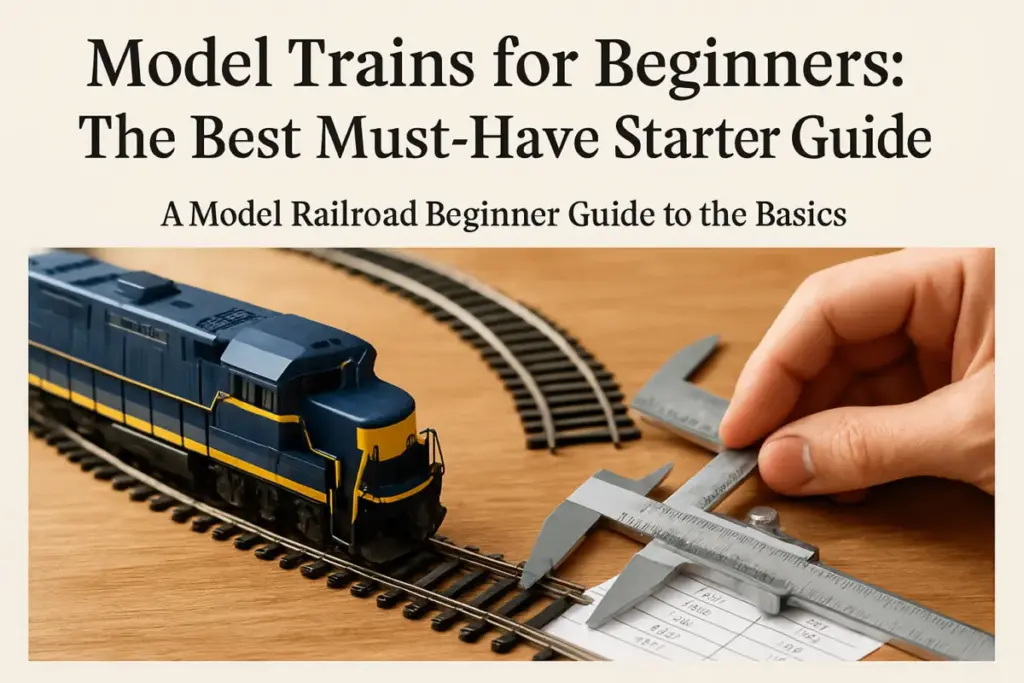
Before buying anything, it helps to understand a few terms and decisions that shape the hobby.
Choose a Scale
Scale refers to how large the model train is compared to the real thing. Popular options include:
– HO scale: One of the most common scales, ideal for beginners because it offers a good balance of detail and space requirements.
– N scale: Smaller than HO, great for people with limited room.
– O scale: Larger and easier to handle, but it takes more space.
For most newcomers, HO scale is often recommended because parts and accessories are widely available, and there are many beginner-friendly starter sets.
Decide on Your First Layout Size
You do not need a huge basement to begin. A simple oval track on a sturdy table can be enough to learn the basics. Starting small helps you avoid frustration and allows you to focus on running trains, learning wiring, and adding scenery later.
A compact layout also makes it easier to troubleshoot problems like derailments or poor electrical connections.
How to Start Model Trains Without Overspending
If you are wondering how to start model trains, the best approach is to begin with the essentials instead of buying everything at once.
What You Need First
For a beginner setup, the core items usually include:
– A train set or locomotive
– Track pieces
– Power supply or controller
– A flat surface or board
– A few basic tools such as pliers, small screwdrivers, and a hobby knife
Starter sets are useful because they often include most of what you need in one package. They are especially helpful for people who want an easier entry into the hobby.
Plan Before You Buy
It is easy to get excited and purchase random pieces, but planning saves money. Think about:
– How much space you have
– What scale fits your room
– Whether you want realistic scenery or simple running loops
– If you prefer analog control or digital control
A little planning goes a long way in making your first experience enjoyable.
Picking the Right Track and Power System
Track is the backbone of your layout. Beginner-friendly track systems often feature pre-made sections that snap together easily. This makes setup much simpler for first-time hobbyists.
Traditional vs Digital Control
Traditional control systems use a basic power pack to run one train on one track section. Digital systems, often called DCC, allow more advanced control and can run multiple trains independently.
For beginners, a traditional setup is usually the easiest place to start. Once you become more comfortable, you can explore digital systems and more complex operating styles.
Keep Electrical Needs Simple
At first, aim for a straightforward setup. The fewer electrical complications you have, the easier it is to enjoy the hobby. As your confidence grows, you can learn about block wiring, switches, and accessory power.
Learning the Fun Side of Custom Model Trains
As you become more familiar with the hobby, you may start exploring custom model trains and detailed finishing work. This is where the hobby becomes even more personal and creative.
What Is Model Train Customization?
Model train customization includes changing the appearance, performance, or details of your equipment. This could mean:
– Painting locomotives in a unique color scheme
– Adding decals or logos
– Upgrading couplers
– Installing better wheels
– Adding lights or sound
– Weathering trains to make them look realistic
Customization helps your layout stand out and makes the trains feel like your own creations rather than store-bought models.
Getting Started with Simple Customization
You do not need advanced skills right away. Start with basic upgrades such as:
– Replacing simple couplers
– Adding small figures or details to cars
– Painting accessories like barrels, fences, or signs
– Applying weathering powder for a used look
These small changes can make a big visual difference and build your confidence for more ambitious projects later.
Model Railroad Modding for Beginners
Model railroad modding is another exciting part of the hobby. It refers to modifying trains, track, scenery, or electronics to improve performance or appearance.
Easy Mods to Try First
Some beginner-friendly mods include:
– Installing LED lighting in buildings
– Adding magnetic uncouplers
– Improving train weight for better tracking
– Smoothing rough track joints
– Upgrading motors or decoders in more advanced models
If you are new, always research compatibility before modifying equipment. Not every part works with every model, and forcing a modification can cause damage.
Modding Tips to Avoid Mistakes
To keep things simple:
1. Start with inexpensive or practice pieces.
2. Work slowly and test changes one at a time.
3. Keep notes on what you changed.
4. Use the right tools for the job.
This reduces the risk of ruining your equipment and helps you learn from each project.
Building Scenery and Creating a Realistic Scene
Once your trains run reliably, scenery becomes the next big creative step. Even a small layout looks much more complete when you add ground cover, roads, trees, and buildings.
Beginner Scenery Ideas
You can start with inexpensive materials such as:
– Foam board
– Static grass
– Ground foam
– Cardboard buildings
– Craft paint
– Small trees and bushes
Scenery does not need to be perfect. In fact, many model railroaders improve their layouts over time, layer by layer.
Create a Story
A strong layout often feels like a real place. You can make your scene more interesting by adding a small industry, a town station, a farm, or a mountain pass. Thinking about the story behind the railroad makes the hobby more immersive.
Common Beginner Mistakes to Avoid
New hobbyists often make a few predictable mistakes. Knowing them early can save time and money.
Buying Too Much Too Soon
It is tempting to collect lots of cars, buildings, and accessories immediately. But starting with too much can make your layout feel crowded and expensive. Build gradually.
Ignoring Track Planning
Poor track planning can lead to awkward curves, derailments, or layouts that do not fit your space. Sketch your design before assembling anything.
Skipping Maintenance
Trains run better when kept clean. Dust, dirty wheels, and loose connections can create frustrating problems. Simple maintenance prevents many common issues.
Final Thoughts
Getting started with model trains is much easier when you focus on the fundamentals, keep your first layout manageable, and learn as you go. A solid model railroad beginner guide should help you understand scale, track, power, scenery, and the growing world of customization. As your confidence builds, you can explore custom model trains, experiment with model train customization, and even dive into model railroad modding to make your layout uniquely yours.
If you are just beginning, remember that there is no rush. The hobby is most enjoyable when you treat it as a creative journey rather than a race to finish. Start small, stay curious, and enjoy watching your miniature railroad world come to life.

