 Written by
11 min read
2,066 words
49 views
-
Table of Contents

Introduction

Exploring the Art of Crafting Realistic Train Scenery Kits
Creating lifelike train scenery kits is an intriguing hobby that calls for imagination, accuracy, and a love of tiny things. The realistic settings and minute features that these kits can produce are frequently what draw in model railroad enthusiasts. Building train scenery is more than just assembling components; it’s an art form that demands attention to detail and a love of storytelling, as one dives deeper into the hobby. First and foremost, the capacity to imitate the real world is the bedrock of every realistic train scenery kit. For this, it’s important to choose materials that can faithfully portray things like landscapes, flora, and buildings. As an example, landscapes can be molded using plaster and foam, and then brought to life with flocking materials and static grass. A basic baseboard can be carefully transformed into a dynamic scene that conveys the soul of a particular location with the skillful application of certain materials. Additionally, one of the most important ways to make train scenery kits seem more realistic is to use color. Amateur artists can give their works more depth and texture by utilizing paints and pigments. Modelers are able to create lifelike representations of their tiny settings by using weathering and dry brushing techniques. This meticulousness enhances the model’s narrative goals while simultaneously improving the scenery’s aesthetic attractiveness. Lighting is just as important as the physical components when it comes to the realistic impression of train scenery kits. Lighting a scene correctly can do wonders for the ambiance, drawing attention to key elements while adding depth via shadows. Lighting, whether it’s the gentle radiance of a sunset or the cold contrast of a moonlit night, has the power to stir emotions, transport viewers to a tiny universe, and make them feel like they’re a part of the story. Additionally, train scenery kits can be made more immersive with the addition of sound. Visuals alone can’t do justice to a landscape; adding the soft hum of a locomotive, the rustle of foliage, or the faraway whistle can do the trick. Incorporating sound modules allows enthusiasts to enhance their projects with an audio dimension, enhancing the overall multisensory experience and captivating viewers. It becomes more and more clear how important research and planning are as one advances in the skill of making rail scenery kits. To guarantee realism and accuracy, it is essential to know the scene’s historical and geographical background. One common method is to research the target location by looking at maps, photos, and other reference materials. This level of care improves the end result and strengthens the bond between the modeler and the subject. Finally, making realistic train scenery kits is an intricate art form that calls for a combination of artistic vision, storytelling passion, and technical expertise. Amateurs can build aesthetically beautiful and emotionally fascinating miniature worlds with a little bit of thought into material selection, lighting, and sound. As more and more people get into this fascinating pastime, they add to the long history of model railroading, which is a celebration of the intricate and beautiful world in miniature.Top Tips for Enhancing Your Model Railroad with Scenic Kits
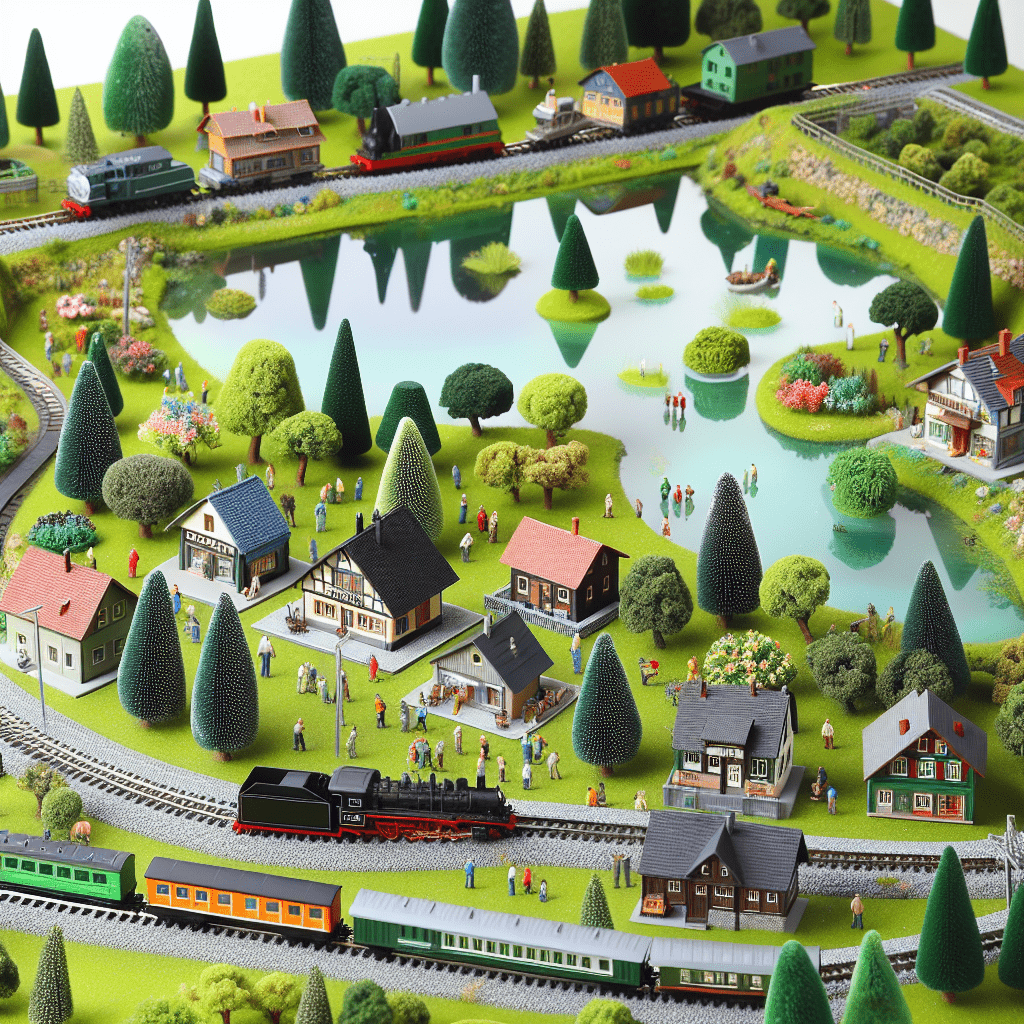 By incorporating scenic kits into your model railroad, you can elevate your layout from plain old toy train to a realistic and visually stunning miniature world. To pull this off, you gotta have a strategic attitude and make sure everything fits together for the best design. Choosing the right scale for your model railroad should be one of your initial concerns. Your choice of scenery kits, including their size and kind, as well as the amount of detail needed to keep the layout consistent, will be impacted by this option. A more immersive experience for the spectator is achieved when the scale of the scenery components is in perfect harmony with the trains and tracks.
The following stage, after deciding on the scale, is to map out the landscape. First, picture the kind of scenery you’d like to create; it may be a peaceful countryside scene, a busy city, or even a mountainous region. To create the right ambiance in each of these locations, you’ll need a unique scenery kit filled with trees, buildings, and terrain elements. To illustrate the point, a country scene could include farmhouses and fields, but an urban scenario could employ kits with intricate buildings like skyscrapers and streetlights. You can make sure that every part of the scene fits together and is immersive by picking out kits that are in line with your idea.
It is essential to consider the color scheme of your model railroad in addition to choosing the correct kits. It is important that the colors you use match the actual hues of the place you are trying to portray. A desert setting could have sandy yellows and subdued reds, for instance, but a woodland location could have a variety of browns and greens. Your layout will seem more genuine and interesting to viewers if you choose realistic colors. Weathering techniques can also give your scenery pieces a more realistic look, making them seem more lived-in and adding to the idea that they have a past and a story of their own.
You can really make your model railroad come to life with the right lighting. Carefully positioned lighting may accentuate certain parts of your design, bringing focus to important elements and generating an engaging visual experience. Evoking diverse moods and enhancing the overall atmosphere of your picture can be achieved by the strategic use of lighting, whether it’s emulating daylight or nightfall. Lights that are warm and gentle can make a space feel welcoming and comfortable, while lights that are cold and harsh can imply a more contemporary or industrial vibe.
The last step in making your model railroad more realistic and appealing is to add movement to it. Animated scenic kits, which might include things like moving cars, spinning windmills, or even figures that seem to be doing different things, can help with this. With these interactive components, your layout becomes more intricate, drawing in viewers and enticing them to delve further into the scene. Incorporating both static and moving parts allows you to build a dynamic and interesting tiny environment that viewers are enticed to explore in depth.
To sum up, using scenery kits to improve your model train demands meticulous preparation. By selecting the appropriate scale, planning the landscape, picking a consistent color palette, including lighting, and integrating movement, you can create an engaging and realistic atmosphere that brings your model railroad to life. Your layout will be an artistic expression of your imagination and commitment to the hobby of model railroading, enhanced by these careful considerations.
By incorporating scenic kits into your model railroad, you can elevate your layout from plain old toy train to a realistic and visually stunning miniature world. To pull this off, you gotta have a strategic attitude and make sure everything fits together for the best design. Choosing the right scale for your model railroad should be one of your initial concerns. Your choice of scenery kits, including their size and kind, as well as the amount of detail needed to keep the layout consistent, will be impacted by this option. A more immersive experience for the spectator is achieved when the scale of the scenery components is in perfect harmony with the trains and tracks.
The following stage, after deciding on the scale, is to map out the landscape. First, picture the kind of scenery you’d like to create; it may be a peaceful countryside scene, a busy city, or even a mountainous region. To create the right ambiance in each of these locations, you’ll need a unique scenery kit filled with trees, buildings, and terrain elements. To illustrate the point, a country scene could include farmhouses and fields, but an urban scenario could employ kits with intricate buildings like skyscrapers and streetlights. You can make sure that every part of the scene fits together and is immersive by picking out kits that are in line with your idea.
It is essential to consider the color scheme of your model railroad in addition to choosing the correct kits. It is important that the colors you use match the actual hues of the place you are trying to portray. A desert setting could have sandy yellows and subdued reds, for instance, but a woodland location could have a variety of browns and greens. Your layout will seem more genuine and interesting to viewers if you choose realistic colors. Weathering techniques can also give your scenery pieces a more realistic look, making them seem more lived-in and adding to the idea that they have a past and a story of their own.
You can really make your model railroad come to life with the right lighting. Carefully positioned lighting may accentuate certain parts of your design, bringing focus to important elements and generating an engaging visual experience. Evoking diverse moods and enhancing the overall atmosphere of your picture can be achieved by the strategic use of lighting, whether it’s emulating daylight or nightfall. Lights that are warm and gentle can make a space feel welcoming and comfortable, while lights that are cold and harsh can imply a more contemporary or industrial vibe.
The last step in making your model railroad more realistic and appealing is to add movement to it. Animated scenic kits, which might include things like moving cars, spinning windmills, or even figures that seem to be doing different things, can help with this. With these interactive components, your layout becomes more intricate, drawing in viewers and enticing them to delve further into the scene. Incorporating both static and moving parts allows you to build a dynamic and interesting tiny environment that viewers are enticed to explore in depth.
To sum up, using scenery kits to improve your model train demands meticulous preparation. By selecting the appropriate scale, planning the landscape, picking a consistent color palette, including lighting, and integrating movement, you can create an engaging and realistic atmosphere that brings your model railroad to life. Your layout will be an artistic expression of your imagination and commitment to the hobby of model railroading, enhanced by these careful considerations.