

 Written by
 Model Trains for Beginners: Best Must-Have Track Layout Guide
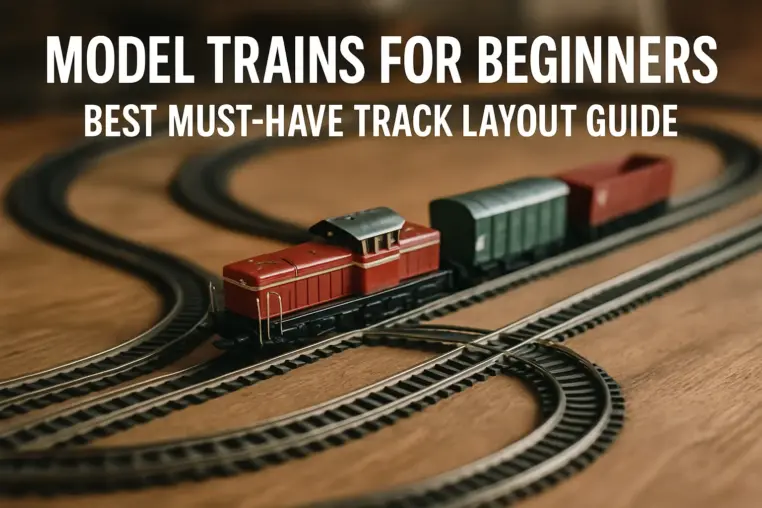
Model trains for beginners can be one of the most rewarding hobbies to start, whether you are interested in the engineering, the creativity, or the nostalgia of building a miniature world. A well-planned layout not only makes your trains run smoothly, but also helps you avoid common mistakes that can turn the hobby into frustration. If you are just getting started, the key is to focus on simplicity, reliability, and a layout that matches your space and skill level.
Getting Started with the Right Mindset

Before buying track pieces or a train set, it helps to understand what you want from the hobby. Some people enjoy realistic scenery and detailed railroad operations, while others prefer a simple loop where trains can run continuously. A good model railroad beginner guide will always emphasize this: start small, learn the basics, and expand later.
One of the biggest mistakes beginners make is trying to build a huge layout too quickly. Large designs can become expensive, complicated, and hard to finish. Instead, begin with a layout that allows you to learn how trains move, how switches work, and how curves and grades affect performance. This makes the experience more enjoyable and gives you room to improve over time.
How to Start Model Trains the Smart Way
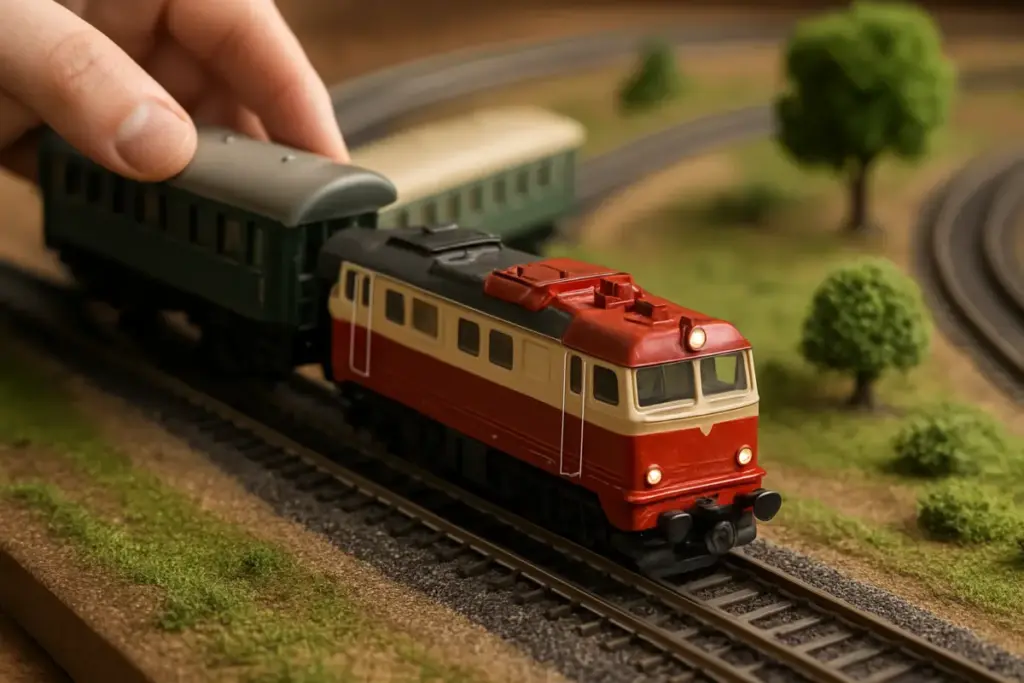
If you are wondering how to start model trains, begin with three basic decisions:
1. Choose a scale – Popular beginner scales include HO and N scale. HO is often easier to handle, while N scale allows more track in a smaller space.
2. Decide on a location – A spare room, garage, basement, or even a large tabletop can work.
3. Set a budget – Track, train sets, power supplies, scenery, and tools all add up, so it is wise to plan ahead.
Once you know your scale and available space, you can think about your first model train track design. For beginners, the best designs are usually simple and forgiving. A basic oval or a double loop is a great starting point because it lets you test your equipment and build confidence. As you gain experience, you can add sidings, passing tracks, yards, and scenery details.
Model Railroad Track Planning Basics
Good model railroad track planning is the foundation of a successful layout. The goal is not just to fit track into a room, but to create a system that runs well and looks believable. Every track plan should consider train movement, accessibility, and future expansion.
Here are a few planning tips to keep in mind:
Keep curves wide enough
Tight curves may look dramatic, but they can cause problems with longer cars and locomotives. Beginners should use the widest curves their space allows. Wider curves improve reliability and make the layout look more realistic.
Avoid steep grades
If your layout has elevation changes, keep them gentle. Trains can struggle on steep inclines, especially if you are using multiple cars. A gradual grade is much easier for a beginner layout.
Plan for reach and access
If you cannot easily reach every part of the layout, repairs and rerailing become difficult. Make sure no area is too far away, especially if the layout is against a wall or built in a deep benchwork design.
Include a maintenance plan
Even the best layouts need cleaning and adjustments. Leave enough space to access track, switches, and wiring. A layout that is easy to maintain will be far more enjoyable in the long run.
Best Track Layout Ideas for Beginners
There are many train track layout ideas to explore, but some are better suited to newcomers than others. The following options are popular because they are simple, practical, and adaptable.
1. Simple oval
This is the classic starter layout. A train can run continuously, making it ideal for testing locomotives and enjoying watching the train move. It is simple to build and perfect for very small spaces.
2. Figure-eight
A figure-eight adds visual interest by creating a crossover point. It is still beginner-friendly, but it introduces basic concepts like crossings and route changes.
3. Out-and-back layout
This type of layout simulates a train traveling from one destination to another. It is a good choice if you want a more realistic operation style without a lot of complexity.
4. L-shaped layout
An L-shaped design works well in corners or along two walls. It offers more room for scenery and switching while still being manageable for beginners.
5. Small switching layout
If you want more interaction, a switching layout allows you to move cars between sidings and industrial tracks. This is excellent for learning operations, though it may require a bit more planning.
Choosing the Right Track Components
Once you have a layout idea, you need the right components. Beginners should focus on quality track pieces that connect securely and stay aligned. Loose connections can create unreliable operation and derailments.
A few essentials include:
– Straight and curved track sections
– Turnouts or switches
– Feeder wires and power connections
– A reliable power pack or controller
– Roadbed or cork for smoother running
It is better to use fewer high-quality parts than to overload a layout with unnecessary complexity. A clean, well-laid track system will always outperform a crowded one with poor alignment.
Common Beginner Mistakes to Avoid
Learning what not to do is just as important as choosing the right layout. Here are some common problems to avoid:
– Building too large too soon
– Using curves that are too tight
– Ignoring wiring and power needs
– Skipping testing before adding scenery
– Placing track where it is hard to reach
– Buying too much equipment before making a plan
By starting with a simple and realistic approach, you will save time and money while improving your skills.
Adding Scenery After the Track Works
It can be tempting to jump straight into scenery, but it is smarter to test your track first. Make sure trains run smoothly before adding buildings, trees, roads, and other details. Once the layout is reliable, scenery will make it feel alive and complete.
Start with basic ground cover, then add structure by structure. This gradual process keeps the project manageable and prevents frustration if you need to make changes later.
Final Thoughts
Building a layout is about more than putting track together. It is about creating a space where your trains can run reliably and where your creativity can grow. For beginners, the best approach is to keep the layout simple, plan carefully, and build in stages. With the right model train track design and thoughtful model railroad track planning, even a small setup can become an impressive and enjoyable miniature railway.
If you are exploring model trains for beginners, remember that every expert started with a first layout. Focus on learning, experimenting, and having fun. The best train room is not necessarily the biggest one—it is the one that works well, fits your space, and keeps you excited to run your trains again and again.

