

 Written by
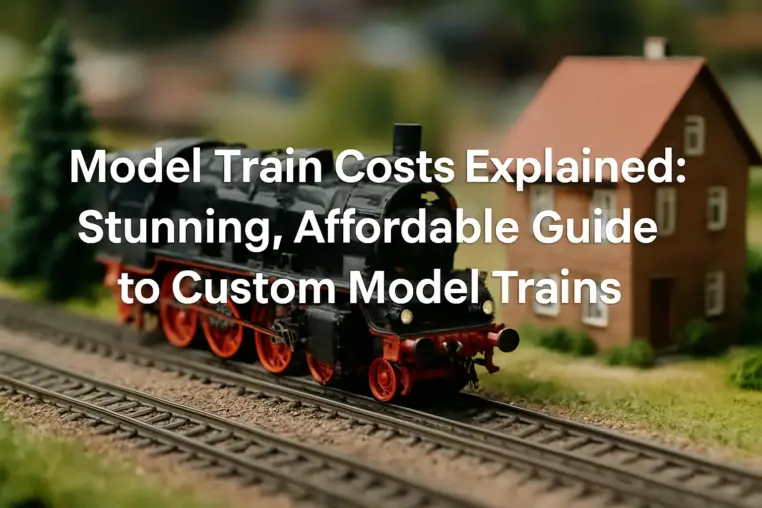
 Model Train Costs Explained: Stunning, Affordable Guide to Custom Model Trains
Custom model trains can be as simple or as elaborate as you want them to be, which is exactly why their costs vary so widely. If you’re just getting started or thinking about upgrading an existing layout, it helps to understand what drives the price of a build, where you can save money, and which upgrades actually make the biggest difference. Whether you’re interested in a small display piece or a fully detailed model railroad, knowing the real cost of model train customization can help you plan smarter and spend with confidence.
What Makes Custom Model Trains So Expensive?
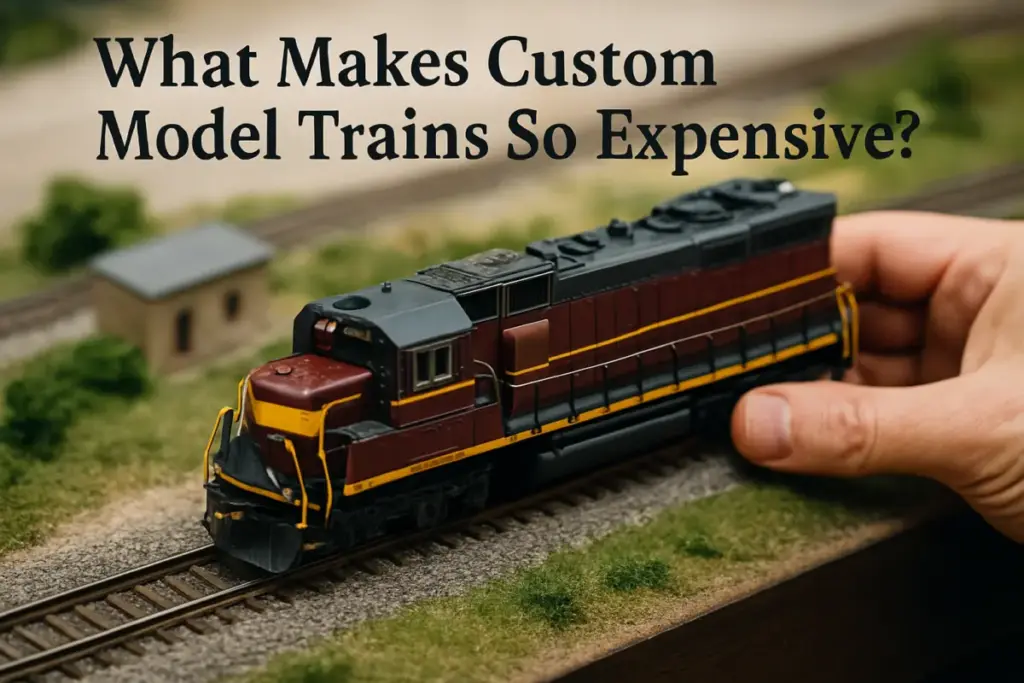
There is no single price tag for custom builds because each project is unique. Some hobbyists spend only a modest amount on paint and detailing supplies, while others invest hundreds or even thousands of dollars in electronics, scenery, and precision parts. The overall cost usually depends on four major factors: the base train, the level of detail, the size of the layout, and whether you do the work yourself or hire help.
A basic factory-made locomotive may already look great, but once you start altering body shells, adding weathering, installing sound systems, or creating a realistic environment, the budget can grow quickly. In model railroad modding, labor is often just as important as materials. Careful hand-painting, wiring, and scene-building take time, and time often translates into cost.
The Main Cost Categories in Model Train Customization
1. The Base Train or Rolling Stock
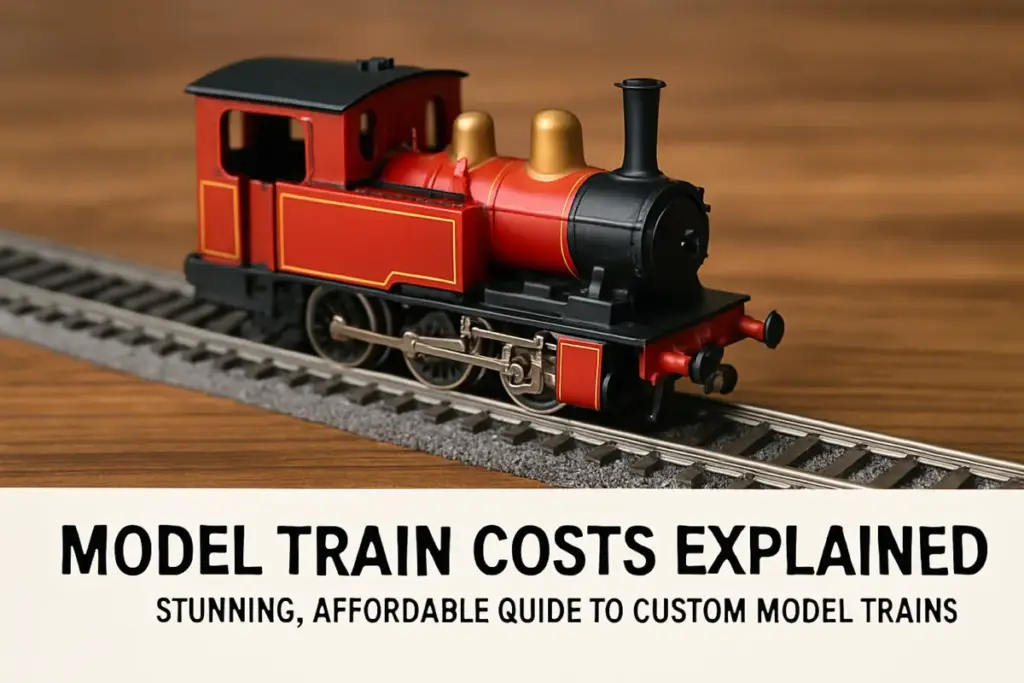
The starting point for most builds is the train itself. A standard locomotive can range from budget-friendly to premium depending on brand, scale, and realism. Passenger cars, freight cars, and specialty units also vary in price. If you’re using existing model trains you already own, you can save significantly by modifying rather than replacing.
2. Detail Parts and Accessories
Small parts make a big visual difference. Items like handrails, couplers, ladders, mirrors, figures, hoses, and roof details can quickly improve realism. These components are usually affordable individually, but a full custom project may require many of them. For more advanced model train customization, even tiny upgrades can add up.
3. Paint, Decals, and Weathering Supplies
Painting and finishing are central to achieving a unique look. Spray paints, primers, masking materials, decal sheets, gloss coats, washes, powders, and weathering pigments all come with different price points. Weathering can be especially budget-friendly if you already have the basic tools. A few smart techniques can make a train look aged, used, or highly specific to a region or era without a major expense.
4. Electronics and DCC Systems
If you want lighting effects, sound, or digital control, electronics will likely become one of the biggest parts of the budget. DCC decoders, speakers, LEDs, wiring, and control systems can make your layout feel far more realistic and immersive. For many hobbyists, this is where the line between a simple display and a truly custom model railroad becomes most noticeable.
5. Scenery and Layout Materials
The train itself is only part of the equation. Track, foam board, plaster, ballast, trees, buildings, roadways, and static grass all contribute to the final scene. A small tabletop setup may cost very little, but a full room-scale layout can require a substantial investment. The more realistic the environment, the more materials you’ll likely need.
Affordable Ways to Save on Model Railroad Modding
You don’t need a huge budget to enjoy the hobby. In fact, some of the most impressive layouts are built gradually over time using careful planning and creative reuse.
Start with One Project at a Time
Instead of trying to customize everything at once, choose one locomotive or one section of your layout and focus your budget there. This keeps costs manageable and helps you learn what techniques work best before moving on to larger projects.
Reuse and Upgrade Existing Pieces
Many hobbyists overlook the value of older rolling stock, used cars, and secondhand accessories. With a little cleaning, repainting, or detailing, these can become standout pieces. Reworking older model trains is often much cheaper than buying brand-new items.
Learn Basic Skills Yourself
Doing your own assembly, painting, and minor electrical work can save a lot of money. Even basic model railroad modding skills—such as soldering wires, applying decals, or weathering with dry-brush techniques—can cut costs and give you more control over the final look.
Buy Materials in Bulk or During Sales
If you know you’ll need track supplies, scenery materials, or detail parts later, watch for hobby shop discounts or online bundles. Buying in larger quantities can reduce the cost per item, especially for common materials like ballast, glue, and paint.
When It’s Worth Spending More
While saving money is important, there are times when spending a little more is the smart choice. A high-quality locomotive with a strong motor and smooth operation may last longer and perform better than a cheaper alternative. The same is true for reliable control systems, durable track, and quality power supplies.
If your goal is realism, some upgrades are worth prioritizing. Lighting, sound, and finely detailed paintwork often make the biggest visual impact. A well-chosen upgrade can transform a plain locomotive into a custom centerpiece without requiring a full rebuild.
Typical Budget Ranges for Custom Model Trains
Although every project is different, it helps to think in rough categories:
– Starter custom project: A modest build using existing pieces, basic paint, and a few accessories
– Mid-range build: New details, moderate scenery, decals, weathering, and possibly lighting
– Advanced custom project: DCC control, sound, extensive scenery, full repainting, and detailed conversions
The final cost depends on how far you want to go. Some hobbyists are happy with subtle improvements, while others want museum-level realism. Both approaches are valid, and both can be rewarding.
How to Plan a Budget That Works
The best way to avoid overspending is to create a clear project plan. Decide what the finished train or layout should look like, list the materials you need, and rank each item by importance. Separate “must-have” upgrades from “nice-to-have” extras. This helps you spend money where it matters most.
It also helps to set a realistic pace. A custom model railroad built over several months or years can feel less expensive than one large one-time purchase. By spreading out your purchases, you can stay within budget while still building something impressive.
Final Thoughts
Custom train projects don’t have to be intimidating or expensive. With smart planning, a little creativity, and a willingness to learn, you can enjoy the hobby without overspending. The beauty of model train customization is that it can fit almost any budget, from simple upgrades to highly detailed, fully functional layouts. Whether you’re refining a single engine or building a complete scene, the key is to balance your vision with your budget and enjoy the process along the way.

