

 Written by
 Model Train Scales: Stunning Best Guide to Smallest HO and N Scale Trains
Model train scales are one of the most important choices a hobbyist makes, because scale affects everything from layout size and realism to cost, detail, and how easy the trains are to handle. For many beginners and experienced collectors alike, the debate often comes down to two favorites: HO scale trains and N scale trains. Both offer unique advantages, and both can support everything from simple starter layouts to highly detailed custom model trains. If you are exploring the world of model railroading, understanding these scales will help you build a setup that matches your space, budget, and creative goals.
What Are Model Train Scales?
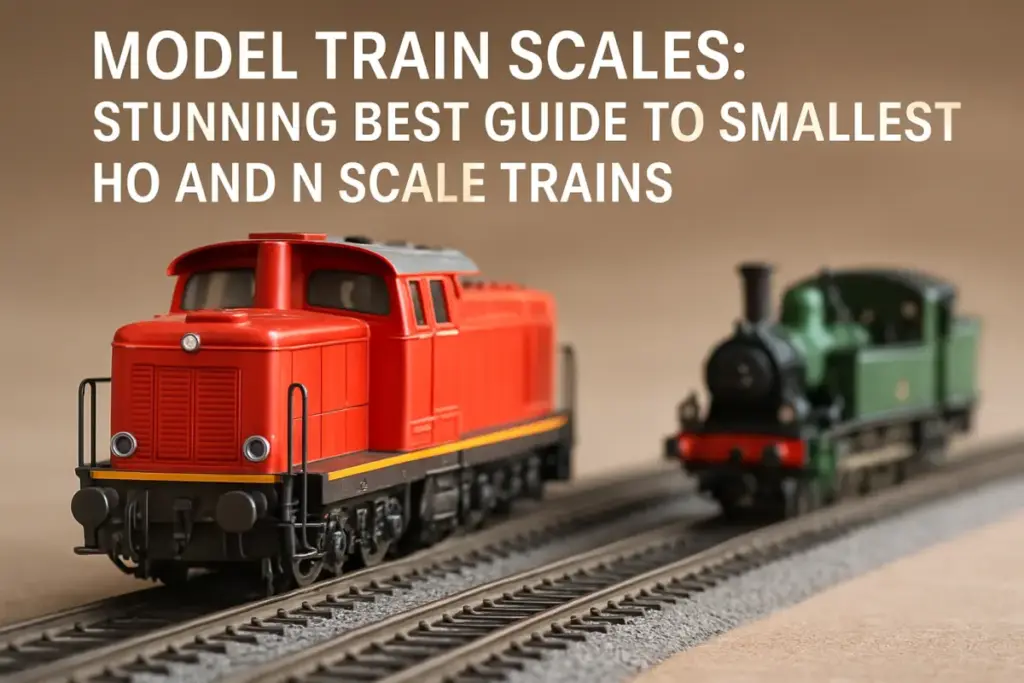
Model train scales define how large a train model is compared with the real-life prototype. In other words, the scale tells you how much smaller the model is than an actual locomotive, railcar, or track system. Common scales include large-scale outdoor setups and tiny miniature indoor layouts, but HO and N remain two of the most popular choices because they balance detail, realism, and practicality.
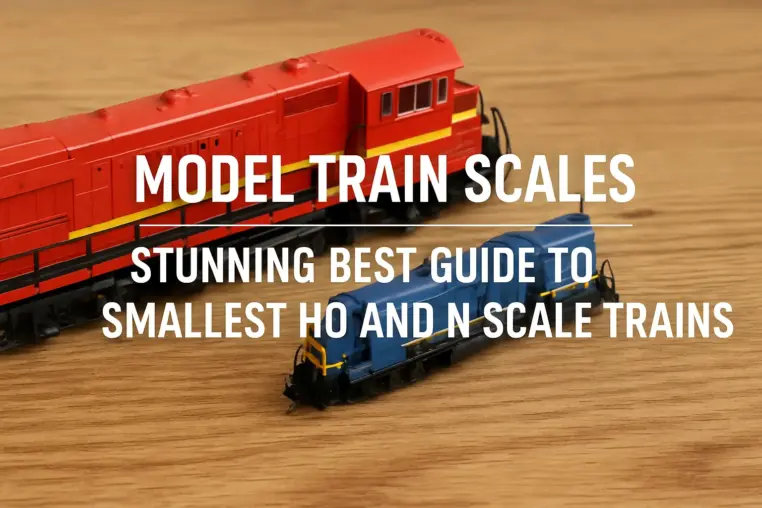
A model train scale is usually written as a ratio. For example, HO scale is 1:87, meaning the model is 87 times smaller than the real train. N scale is even smaller, typically 1:160 in most regions. This difference may seem small on paper, but in practice it has a major effect on how much track can fit in a room and how much detail can be added to each piece.
Why HO Scale Trains Are So Popular

HO scale trains are often considered the sweet spot for many modelers. They are large enough to include impressive detail, but small enough to allow a realistic railroad in a moderate-sized space. This balance is one reason HO has remained one of the most widely used scales in the hobby.
Advantages of HO Scale
HO scale trains offer several benefits:
– Strong detail level: Locomotives, rolling stock, and scenery can be highly realistic.
– Wide product availability: You can find a huge variety of engines, cars, buildings, and accessories.
– Easier handling: Parts are larger than N scale, making them easier to assemble, paint, and maintain.
– Great for modding: HO is ideal for model railroad modding because components are easier to work with.
HO also supports a broad range of themes, from modern freight operations to steam-era passenger lines. If you enjoy adding weathering, lighting, sound systems, or interior details, HO scale gives you room to do it. Many hobbyists also choose HO because it’s a strong base for custom model trains, especially when they want to repaint, re-letter, or upgrade locomotives.
Why N Scale Trains Appeal to Space-Savvy Hobbyists
N scale trains are a favorite for modelers who want to create more railroad in less space. Because they are significantly smaller than HO, N scale lets builders fit longer mainlines, larger yards, and more scenery into compact layouts. This makes it a great choice for apartment layouts, shelves, and portable setups.
Benefits of N Scale
Some of the biggest advantages of N scale trains include:
– Compact size: Perfect for small rooms, desks, or shelving units.
– Longer runs: You can create more expansive track plans in limited space.
– Immersive scenery: Mountains, towns, and rail networks can feel larger relative to the trains.
– Growing product selection: Modern N scale offerings continue to improve in detail and performance.
N scale is especially attractive for people who want to model broad landscapes or realistic point-to-point railroading. While the parts are smaller and may require steadier hands, advances in manufacturing have made N scale much more accessible than it once was.
HO Scale vs N Scale: Which One Should You Choose?
Choosing between HO and N often depends on your goals. If you want maximum detail, easier maintenance, and a hobby that feels more hands-on, HO scale may be the better option. If your priority is fitting a lot of railroad into a small space, N scale is hard to beat.
Here are a few practical questions to consider:
– How much space do you have?
Smaller spaces usually favor N scale, while larger rooms can comfortably support HO.
– How much detail do you want to add?
HO makes detailing and customization easier for most people.
– Will children use the layout?
HO is often easier for younger hobbyists to handle.
– Do you want long train runs?
N scale allows longer trains and broader scenes in less space.
There is no single “best” scale for everyone. The right choice depends on whether you value detail and handling or compactness and layout capacity.
Model Train Customization and Personal Style
One of the most rewarding parts of the hobby is model train customization. Once you choose a scale, you can start turning standard equipment into something uniquely your own. Customization can be as simple as adding weathering powder or as advanced as rebuilding a locomotive, designing a digital command control setup, or crafting a full scenic environment.
Popular customization ideas include:
– Repainting locomotives and cars
– Adding decals and numbering
– Installing lights or sound
– Weathering equipment for realism
– Creating scratchbuilt structures
– Upgrading couplers, wheels, and motors
For enthusiasts who enjoy custom model trains, HO offers easier physical access, while N scale challenges modelers to work with precision and patience. Both scales support creative expression, and both can be used to create layouts that reflect a specific era, railroad company, or personal imagination.
Model Railroad Modding Tips for Better Results
Model railroad modding can dramatically improve the appearance and performance of your layout. Whether you are working in HO or N, small upgrades often lead to better operation and a more realistic final look.
A few useful modding tips include:
1. Start with reliable equipment.
Choose quality locomotives and track before adding advanced features.
2. Plan your layout first.
A clear track plan helps avoid expensive mistakes.
3. Focus on consistency.
Keep structures, vehicles, and scenery matched to the same era and region.
4. Test before final installation.
Make sure all rolling stock runs smoothly before scenic work begins.
5. Practice on inexpensive pieces.
If you’re new to customization, test painting or weathering techniques on spare cars first.
Good modding is about small improvements that add up. A carefully upgraded layout can look far more convincing than one built entirely from unmodified components.
Choosing the Right Scale for Long-Term Enjoyment
When selecting from the many available model train scales, think beyond your first purchase. Consider how you want your hobby to grow. Some modelers begin with N scale because of space limits, then later move to HO when they have a larger room. Others start with HO and never switch because they love the balance of detail and usability.
The best approach is to choose a scale that supports your long-term vision. If you enjoy intricate craftsmanship, HO may be the most satisfying. If you want a sweeping landscape with multiple trains and industries, N scale may open more possibilities. In either case, the hobby rewards patience, planning, and creativity.
Final Thoughts
Model train scales shape every part of the railroading experience, from the amount of track you can fit into a room to the level of detail you can achieve. HO scale trains remain a favorite for their realism and ease of use, while N scale trains stand out for their compact size and layout flexibility. Whether your interest lies in custom model trains, model train customization, or advanced model railroad modding, both scales offer endless opportunities to build something impressive.
The best scale is the one that matches your space, your style, and the kind of railroad you want to create. Once you make that choice, the real fun begins: designing, building, upgrading, and bringing your miniature world to life.

