

 Written by
 Z Scale Trains Overview: A Stunning, Effortless Guide to Model Train Scales
Z scale trains are among the smallest commercially available model trains, yet they offer some of the biggest opportunities for creative layout design. For hobbyists who want detailed railroading in a compact space, Z scale provides a unique balance of realism, portability, and technical challenge. Whether you are comparing it with other model train scales or exploring ways to build a highly detailed miniature world, this scale has a strong appeal for both beginners and experienced collectors.
What Makes Z Scale Trains Unique?
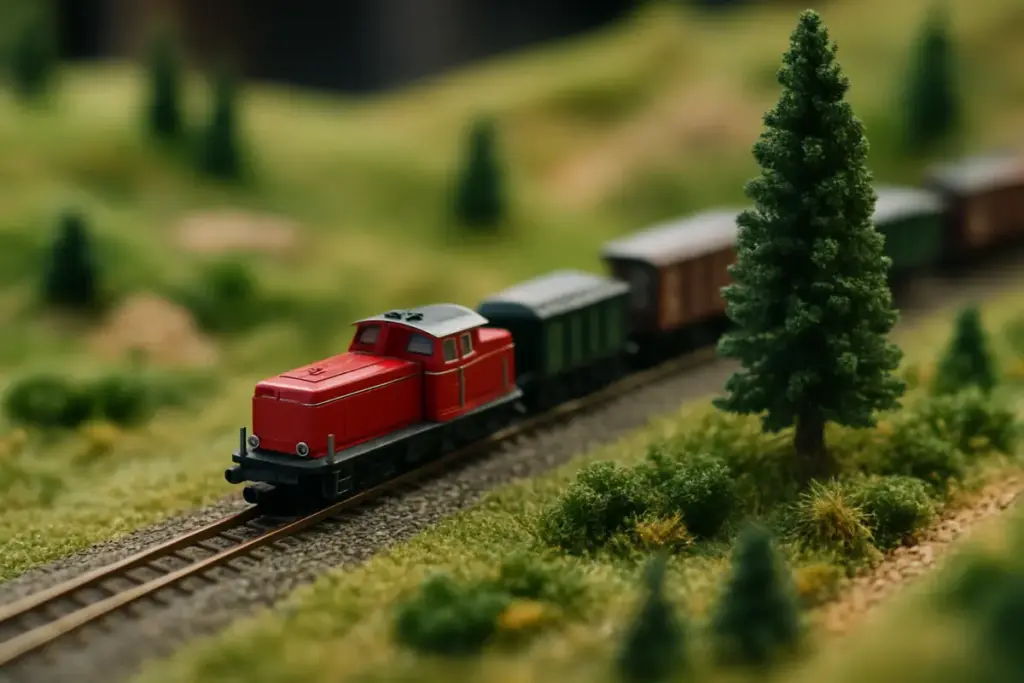
Z scale is known for its tiny size, typically built to a ratio of 1:220. That means the train and scenery are incredibly small, allowing modelers to create elaborate railroads on tabletops, shelves, or even inside custom display cases. While the size can seem intimidating at first, many enthusiasts find it surprisingly manageable once they learn the basics.
One of the main advantages of this scale is its space efficiency. If you live in an apartment, have limited room for a permanent layout, or simply want to build a compact but impressive setup, Z scale opens doors that larger scales cannot. It is especially appealing to people who love highly detailed scenes but do not have the square footage for larger layouts.
Another standout feature is visual impact. Because the trains are so small, a well-designed Z scale layout can look like an entire landscape in miniature. Mountains, tunnels, bridges, and towns can all fit into a relatively small area, creating a rich and immersive scene.
Z Scale Trains Compared With Other Model Train Scales
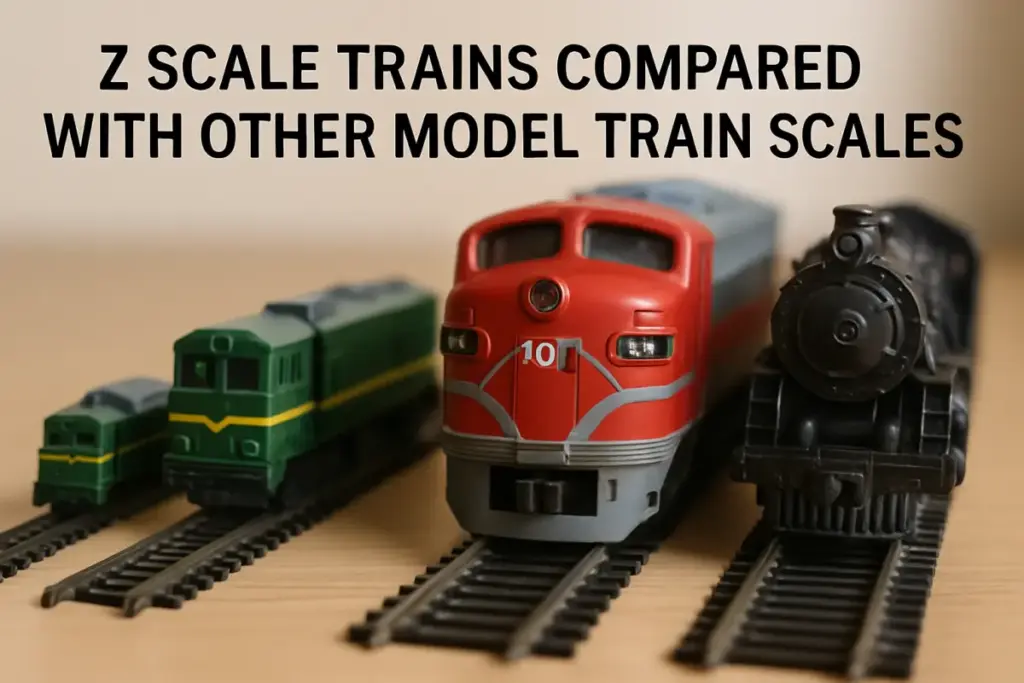
When choosing a scale, it helps to understand how Z scale compares with more familiar options like HO scale trains and N scale trains. HO scale is one of the most popular choices worldwide because it offers a good balance between detail and size. It is large enough to handle comfortably and small enough to fit many home layouts.
N scale trains are smaller than HO and are often chosen by modelers who want more track in less space. N scale is a great middle ground for people who want compact layouts without going as tiny as Z scale. However, Z scale takes space-saving to the next level, making it ideal for extreme compactness.
Each scale has its strengths. HO scale trains are easier to work with, especially for beginners or those who enjoy hands-on detailing. N scale trains offer a tighter footprint while still allowing a solid level of realism. Z scale trades size for portability and density, which can be incredibly rewarding for those who enjoy building detailed scenes in limited spaces.
Why Hobbyists Choose Z Scale
Many modelers are drawn to Z scale because it encourages creativity. With such a small footprint, designers must think carefully about track planning, scenery placement, and operational flow. This can lead to layouts that are efficient, clever, and visually impressive.
Z scale is also popular among collectors who appreciate fine craftsmanship. Despite the size, manufacturers have made major improvements in detail, reliability, and variety over the years. Modern locomotives, freight cars, and passenger cars can look remarkably lifelike when properly maintained and displayed.
Another reason hobbyists enjoy this scale is portability. A Z scale layout can often be transported more easily than larger setups, which makes it ideal for exhibitions, club meets, or modelers who like to rearrange their display from time to time.
Model Train Customization in Z Scale
Even though the parts are small, model train customization is very much part of the Z scale experience. Enthusiasts can personalize locomotives, rolling stock, scenery, and track plans to match their preferred era or region. Painting, weathering, lighting, and scenery work all contribute to making a layout feel unique.
Custom model trains are especially appealing for advanced hobbyists who want something that reflects a specific railroad, theme, or historical period. In Z scale, customization requires patience and precision, but the results can be highly rewarding. Adding tiny details such as signs, figures, building textures, and realistic terrain can dramatically improve the overall appearance of a layout.
For those interested in model railroad modding, Z scale can be both a challenge and an opportunity. Because components are so compact, modifications often require specialized tools and a steady hand. Still, modding can transform standard equipment into something more personal and authentic. From LED lighting upgrades to custom paint jobs and unique scenery touches, the possibilities are broad.
Tips for Beginners Exploring Z Scale
If you are new to the hobby, starting with Z scale may feel like jumping into the deep end. However, a few smart choices can make the learning process much smoother.
First, begin with a simple track plan. Complex operations are exciting, but a small loop or modest switching layout is often the best starting point. This allows you to learn how locomotives perform, how track alignment affects reliability, and how scenery can shape the final appearance.
Second, use quality tools. Since Z scale components are delicate, tweezers, magnifiers, fine brushes, and precision cutters are often essential. Having the right tools makes assembly and maintenance much easier.
Third, focus on realistic scenery proportions. Because everything is tiny, oversized trees, buildings, or figures can instantly break the illusion. Choosing appropriately scaled accessories helps maintain the realism that makes Z scale so impressive.
Finally, be patient. Working in a smaller scale can take more time, especially if you are adding detail or making repairs. The key is to treat each step as part of the creative process.
Choosing the Right Scale for Your Goals
When evaluating model train scales, it helps to think about your space, skill level, and long-term goals. If you want maximum detail and easier handling, HO scale trains may be the best fit. If you want a smaller layout with plenty of realism, N scale trains offer an excellent compromise. If your goal is to build an entire miniature world in a very limited area, Z scale could be the perfect choice.
Your decision should also reflect how much time you want to spend on maintenance and customization. Larger scales are generally easier to work with, while smaller scales require greater precision. On the other hand, the compact nature of Z scale allows for astonishingly rich layouts in places where other scales simply would not fit.
Final Thoughts
Z scale trains offer a fascinating entry point into the world of miniature railroading. They are small, elegant, and capable of delivering impressive realism in very little space. For hobbyists who enjoy custom model trains, model train customization, and model railroad modding, this scale provides endless creative potential.
Whether you are comparing it with HO scale trains, N scale trains, or other model train scales, Z scale stands out for its compact size and visual impact. It may require more care and patience than larger scales, but the rewards are clear: a beautifully detailed railroad that can fit almost anywhere. For anyone who wants a stunning miniature railroad experience without needing a large room, Z scale is a smart and inspiring choice.

