


 Written by
 Budget Model Train Setup Guide: Best Beginner Tips for Effortless Starts
Budget model trains can be a rewarding hobby from day one, especially when you start with the right expectations and a simple plan. If you are new to the hobby, the biggest challenge is often not choosing the most advanced equipment, but learning how to begin in a way that keeps costs manageable and the experience enjoyable. With a thoughtful approach, you can build a layout that runs well, looks great, and leaves plenty of room for future upgrades.
Why Budget Planning Matters for Beginners

Starting small is one of the smartest moves for anyone entering the hobby. Many newcomers feel tempted to buy every accessory, extra car, and high-end locomotive they see, but that can quickly lead to overspending and frustration. A budget-focused approach helps you learn the basics without unnecessary pressure.
When looking at model trains for beginners, think of your first setup as a learning platform. You do not need a huge room, a complicated track plan, or a premium fleet to have fun. A reliable starter set, a few track pieces, and a stable power source are often enough to begin. Once you understand how trains behave on your layout, you can expand with confidence.
Model Railroad Beginner Guide: Start With a Clear Goal
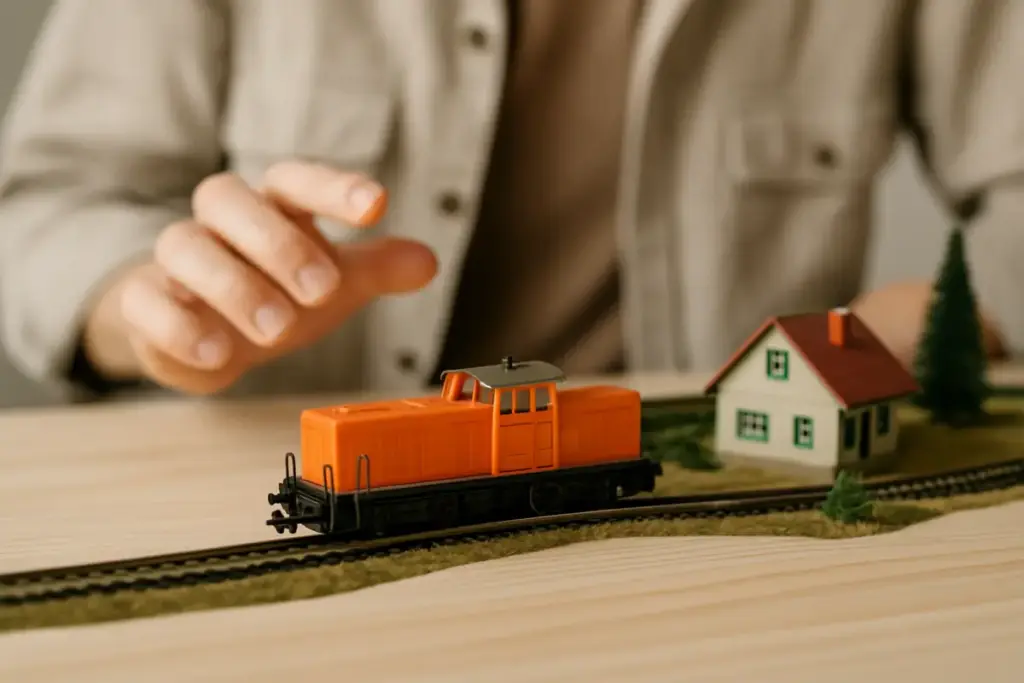
A practical model railroad beginner guide always begins with one question: what do you want your train to do? Some people want continuous running for display. Others want switching operations, where trains pick up and drop off cars. Knowing your goal helps you avoid buying items that do not fit your vision.
Before purchasing anything, decide on these basics:
– Scale: HO, N, O, or another size
– Space available: table, shelf, or dedicated room
– Budget range: what you can spend now and later
– Style: realistic scenery, toy-like fun, or operation-focused layout
HO scale is popular because it balances detail, price, and space requirements. N scale is a good choice if you have limited room. O scale offers larger trains and easier handling, but usually requires more space and can cost more.
How to Start Model Trains Without Overspending
If you are wondering how to start model trains, begin with the essentials instead of the extras. A basic setup usually includes a locomotive, a few cars, track, a controller, and a power supply. That is enough to learn the fundamentals of track assembly, wiring, and operation.
Here are a few beginner-friendly tips:
1. Buy a starter set from a reputable brand
Starter sets often provide better value than buying each item separately.
2. Test everything before expanding
Make sure the locomotive runs smoothly and the track connections are secure.
3. Use a simple track plan
A basic oval or figure-eight is easier to manage than a complex layout.
4. Avoid large scenery investments at first
Focus on reliable operation before adding mountains, buildings, or advanced landscaping.
5. Keep extra parts minimal
You can always add more locomotives, rolling stock, and accessories later.
A budget setup does not mean low quality. It means choosing items that give you the most learning and enjoyment for the money.
Choosing the Right Track and Power System
Track is one of the most important parts of any layout. Poor track choices can cause derailments, electrical issues, and unnecessary repairs. For beginners, sectional track is usually the easiest option because it snaps together in predictable shapes.
When selecting track, consider:
– Compatibility with your chosen scale
– Availability of curves, straights, and turnouts
– Ease of expansion later
– Durability for repeated assembly and disassembly
For power, many beginners start with a simple DC controller. It is affordable and straightforward. If you want more features in the future, digital command control (DCC) can offer independent control of multiple locomotives, but it may be more than you need at the start. The best choice is the one that matches your current skill level and budget.
Building a Layout That Is Easy to Maintain
A good beginner layout should be easy to reach, easy to clean, and easy to troubleshoot. One of the most overlooked mistakes is making a layout too large too quickly. A compact setup lets you correct problems before they become expensive.
Try these layout principles:
– Keep all track within arm’s reach if possible
– Use wide curves when your scale allows it
– Leave space for access to switches and wiring
– Plan for simple scenery rather than crowded details
– Use a sturdy base that will not warp over time
The goal is to create a layout that encourages regular use. If the trains run smoothly and the setup is easy to handle, you will enjoy the hobby much more.
Custom Model Trains: When to Upgrade
Many beginners eventually become interested in custom model trains. Customization is part of what makes the hobby so appealing, but it is best to wait until you have a solid understanding of the basics. Once you know how your trains perform, you can make upgrades that actually improve the experience.
Popular entry-level customization options include:
– Adding figures or basic scenery
– Painting buildings and structures
– Replacing couplers
– Installing better wheels
– Improving locomotive details
– Applying weathering effects
These changes can make a layout feel more realistic without requiring a huge budget. Customization also helps you develop confidence and creativity, turning a simple starter setup into something more personal.
Model Train Customization and Modding on a Budget
Model train customization does not have to be expensive. In fact, many of the most satisfying upgrades are low-cost or even made from household materials. Cardboard, foam, paint, and printed textures can all be used to create scenery and structures.
If you are interested in model railroad modding, start with small projects that improve function before appearance. For example:
– Lubricating locomotive parts
– Adding weight to improve traction
– Upgrading lighting
– Rewiring for better electrical pickup
– Adjusting couplers for smoother operation
These small modifications can make a big difference. Modding is especially rewarding when you can see a clear improvement in performance or realism. Just remember to work slowly and test each change before moving on to the next.
Common Beginner Mistakes to Avoid
Even with a good plan, beginners can run into avoidable issues. Knowing these in advance saves time and money.
Some common mistakes include:
– Buying too many trains before learning basic operation
– Choosing track that is too tight for the locomotive
– Ignoring electrical reliability
– Overloading the layout with scenery too soon
– Skipping maintenance and cleaning
– Expanding before testing the original setup
Patience is one of the best tools in the hobby. A small, well-running layout is far better than a large one that constantly needs repair.
Final Thoughts on Starting Smart
Getting started with a budget-friendly train setup is less about spending a lot and more about making smart choices. Begin with a simple track plan, choose dependable equipment, and focus on learning how your trains behave. As your skills grow, you can explore more advanced details, custom model trains, and thoughtful upgrades.
The best part of the hobby is that it grows with you. You can start with a modest layout and gradually turn it into something unique through careful planning, model train customization, and selective modding. With the right foundation, your first setup can become the beginning of a long and enjoyable journey into model railroading.

