

 Written by
 Best Scale for Beginners: Must-Have Guide to Easy Model Trains
model trains for beginners are one of the most rewarding hobbies to start if you enjoy creativity, engineering, and hands-on building. Choosing the right scale is one of the first and most important decisions you’ll make, because it affects everything from layout size to detail level, cost, and ease of handling. If you’re wondering how to start model trains, this guide will help you understand the most popular model train scales and choose the one that best fits your space, budget, and experience.
Why Scale Matters in a Beginner Model Railroad
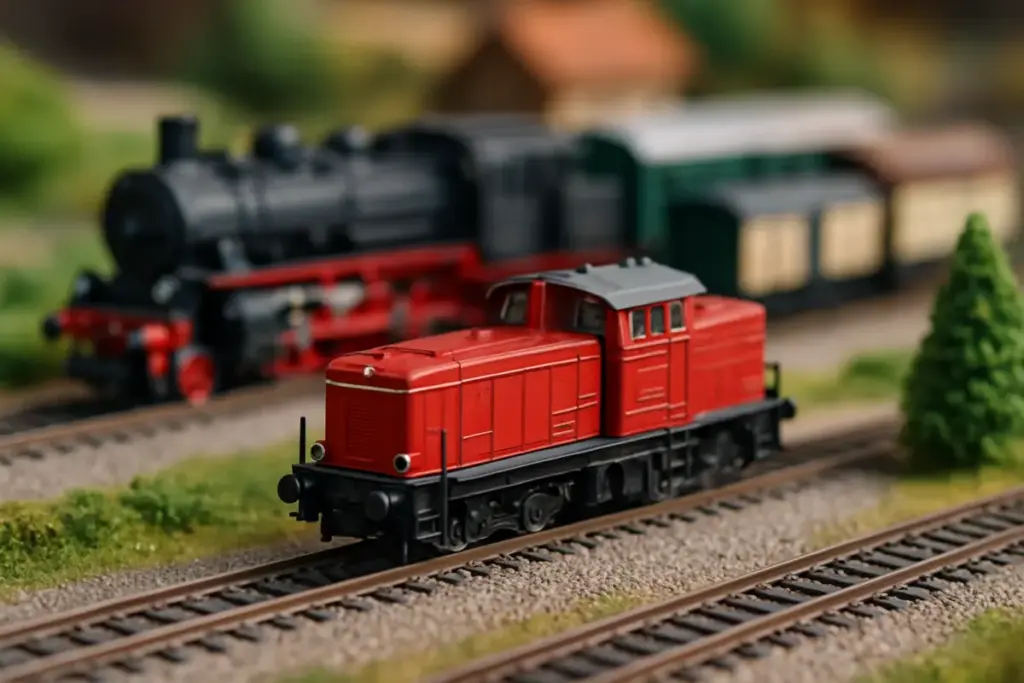
Scale determines how large the train and scenery will be compared to the real thing. In simple terms, it’s the size ratio of the model to the full-size prototype. For beginners, scale matters because it affects:
– Space requirements: Some scales need a large room, while others can fit on a small table.
– Ease of handling: Larger models are easier to work with, especially when learning to connect track and cars.
– Detail level: Smaller scales can look realistic in less space, but may be harder to build and maintain.
– Cost: Scale can influence the price of locomotives, track, accessories, and scenery.
A good model railroad beginner guide always starts with scale because it shapes the entire experience.
HO Scale Trains: The Most Popular Choice for Beginners
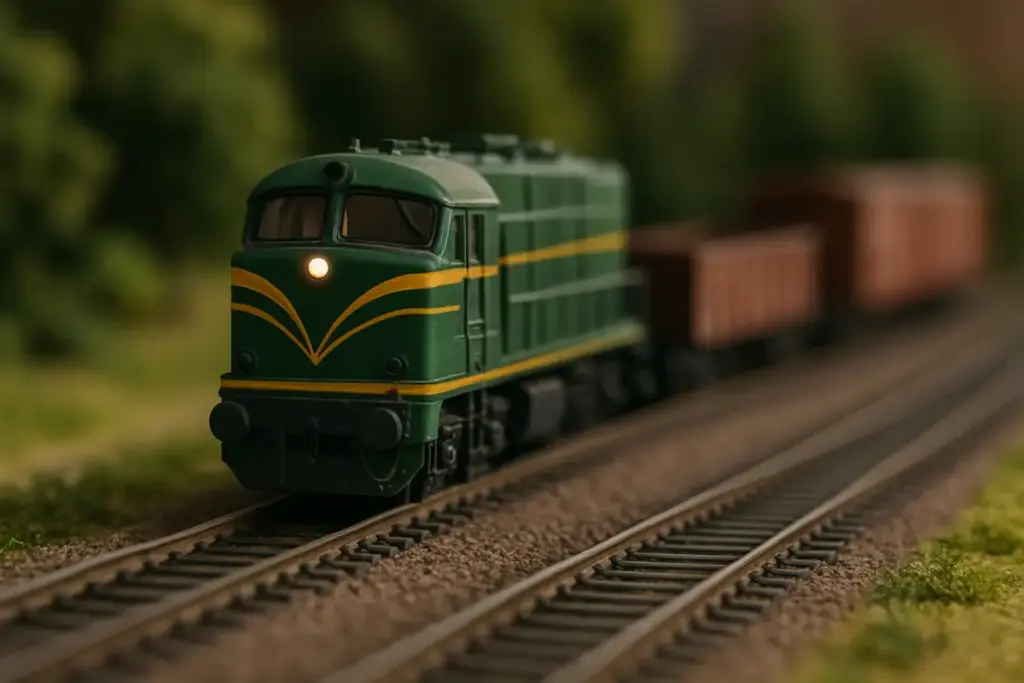
When people talk about starter layouts, HO scale trains are usually the first recommendation. HO scale is one of the most common and widely supported scales in the hobby.
Why HO scale is great for beginners
– Good balance of size and detail: HO trains are large enough to handle easily but small enough to fit a decent layout in a spare room or basement area.
– Huge product selection: Since HO is so popular, there are plenty of locomotives, cars, track systems, buildings, and accessories available.
– Strong community support: You’ll find lots of tutorials, books, online forums, and videos focused on HO layouts.
– Great for learning skills: HO scale is forgiving for beginners who are learning track planning, wiring, and scenery building.
Things to keep in mind
HO scale does require more room than smaller scales, so it may not be ideal if you only have a tiny space. Still, for many newcomers, it offers the best combination of accessibility and realism.
If you want a scale that feels substantial and gives you room to grow, HO is often the safest and easiest starting point.
N Scale Trains: Best for Small Spaces
If your space is limited, N scale trains may be the better option. N scale is much smaller than HO, which allows you to build longer tracks, more dramatic scenery, and larger rail operations in a compact area.
Why beginners choose N scale
– Fits in smaller spaces: Ideal for apartments, desks, shelves, or compact layouts.
– Allows bigger scenes: Because the trains are smaller, you can include more track, more towns, and more scenery in the same footprint.
– Great for long mainlines: If you love the look of trains stretching across mountains, rivers, and towns, N scale delivers that effect beautifully.
Challenges for beginners
N scale can be a little trickier to handle than HO because the parts are smaller. Couplers, track cleaning, and detailing can require more patience. For some beginners, the learning curve feels steeper, especially when first assembling track or troubleshooting electrical issues.
That said, if space is your biggest concern, N scale is one of the best choices in model train scales.
Other Model Train Scales to Consider
While HO and N are the most common beginner options, there are a few other scales worth knowing about.
O scale
O scale is larger than HO and much easier to see and handle. It’s great for people who want bold, sturdy equipment and have enough space for a larger layout. However, it can be expensive and may require more room than a beginner has available.
Z scale
Z scale is even smaller than N scale. It allows for very compact layouts, but it’s generally not the easiest choice for new hobbyists due to its tiny parts and more delicate handling requirements.
OO scale
OO scale is similar to HO in size but more common in the UK. If you’re modeling British railroads or want that style, it may be worth exploring.
For most newcomers, though, the practical choice usually comes down to HO scale trains or N scale trains.
How to Start Model Trains the Smart Way
If you’re learning how to start model trains, it helps to begin with a simple plan instead of buying too much at once. Here are the key steps:
1. Decide on your available space
Measure the area where your layout will go. A small shelf layout, tabletop, or modular setup can work well for beginners. Your space will strongly influence which scale makes sense.
2. Choose one scale and stick with it
Mixing scales can make your layout look unrealistic. Pick one scale and build around it. This keeps your trains, buildings, people, and scenery visually consistent.
3. Start with a basic layout plan
You don’t need a massive railroad right away. A simple oval, figure-eight, or small switching layout is enough to learn the basics. This approach is ideal for anyone looking for a true model railroad beginner guide.
4. Buy a starter set if needed
Many starter sets include a locomotive, cars, track, and sometimes a power supply. These can be a great way to begin without the stress of choosing every part separately.
5. Learn the basics before expanding
Focus first on running trains reliably. Then add scenery, buildings, and extra track. Building slowly helps prevent frustration and wasted money.
Which Scale Is Best for Beginners?
If you have moderate space and want the easiest overall experience, HO scale trains are often the best choice. They’re popular, easy to find, and large enough for beginners to handle comfortably.
If you have limited space or want to build a more expansive scene in a smaller footprint, N scale trains may be the better option.
Here’s a quick way to decide:
– Choose HO scale if you want balance, availability, and beginner-friendly handling.
– Choose N scale if space is tight and you want to fit more railroad into a smaller area.
Both are excellent model train scales for beginners. The best one is the one that fits your space, budget, and interest in detail versus compact design.
Final Thoughts
Getting started with model trains for beginners doesn’t have to be overwhelming. The key is understanding your options, especially when it comes to scale. Whether you choose HO scale trains for their balance and popularity or N scale trains for their compact efficiency, you’ll be setting yourself up for a hobby that can grow with you over time.
If you’re still deciding how to start model trains, remember this: begin simple, choose one scale, and focus on enjoying the process. With the right starting point, your first layout can become the foundation for years of creativity, learning, and fun.

