

 Written by
 N Scale Layout Examples: Stunning, Best Model Train Layout Ideas
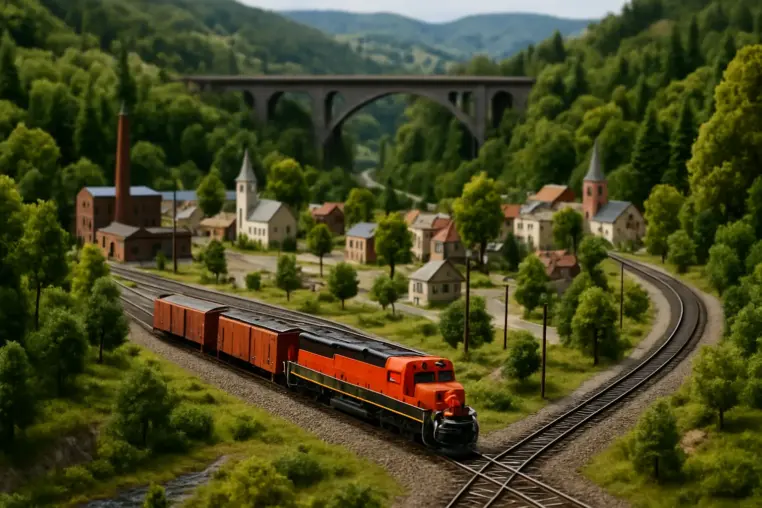
N scale trains offer an exciting way to build a detailed model railroad in a compact space. For hobbyists who want impressive scenery, realistic operations, and flexible design options without dedicating an entire room, this scale is a favorite. Whether you’re just starting out or refining a long-term build, exploring different model train layout ideas can help you create a railroad that is both visually striking and operationally rewarding.
Why N Scale Trains Are So Popular

N scale trains are known for their small size, which allows modelers to fit more track, scenery, and operating features into a limited area. This makes them especially appealing for apartment dwellers, small-home hobbyists, and anyone who wants a larger railroad feel in a compact footprint.
Compared with larger model train scales, N scale can include longer mainline runs, broader scenes, and more complex track arrangements without requiring a huge table. That flexibility opens the door to many creative possibilities, from mountain railroads to urban switching districts.
Another benefit is visual depth. Because N scale trains take up less room, a layout can appear bigger than it actually is. With smart perspective, well-placed structures, and carefully planned scenery, even a modest layout can feel expansive.
N Scale Layout Examples for Different Spaces
The best layouts are the ones that match your space, skill level, and operating goals. Here are several types of N scale layout examples that can inspire your own build.
1. The Compact Shelf Layout
A shelf layout is one of the most practical model railroad layout design options for small spaces. Built along a wall, it can be narrow but long, allowing for realistic mainline running or switching action.
This style works well if you want:
– A simple route with scenic variety
– Point-to-point operations
– A layout that can be expanded later
A shelf layout can feature a small town, a river crossing, a tunnel through a mountain, or a local freight yard. Because the footprint is modest, you can focus on detail and atmosphere rather than massive track complexity.
2. The Door Layout
Using a hollow-core door as a base is a classic choice in model railway layout planning. It provides a stable surface and a surprisingly useful shape for an N scale railroad. With a door layout, you can create an oval, a folded dogbone, or a switching scene with sidings and industries.
This type of layout is ideal for beginners because it:
– Saves space
– Requires minimal carpentry
– Encourages straightforward track planning
A door layout can be enhanced with lightweight scenery, such as foam hills, small bridges, and a compact city block. It’s a great way to enjoy the hobby without a major construction project.
3. The Around-the-Room Mainline
If you have the space, an around-the-room design can be one of the most impressive model train layout ideas. N scale makes this especially attractive because you can create long runs, hidden staging, and multiple scenes without overwhelming the room.
An around-the-room layout can include:
– Mountain passes
– Rural farming communities
– Industrial districts
– Passenger stations
– Branch lines and sidings
This approach creates the feel of a true railroad journey. Trains can travel through varied scenery, offering both operations and visual storytelling.
4. The Double-Track Showcase Layout
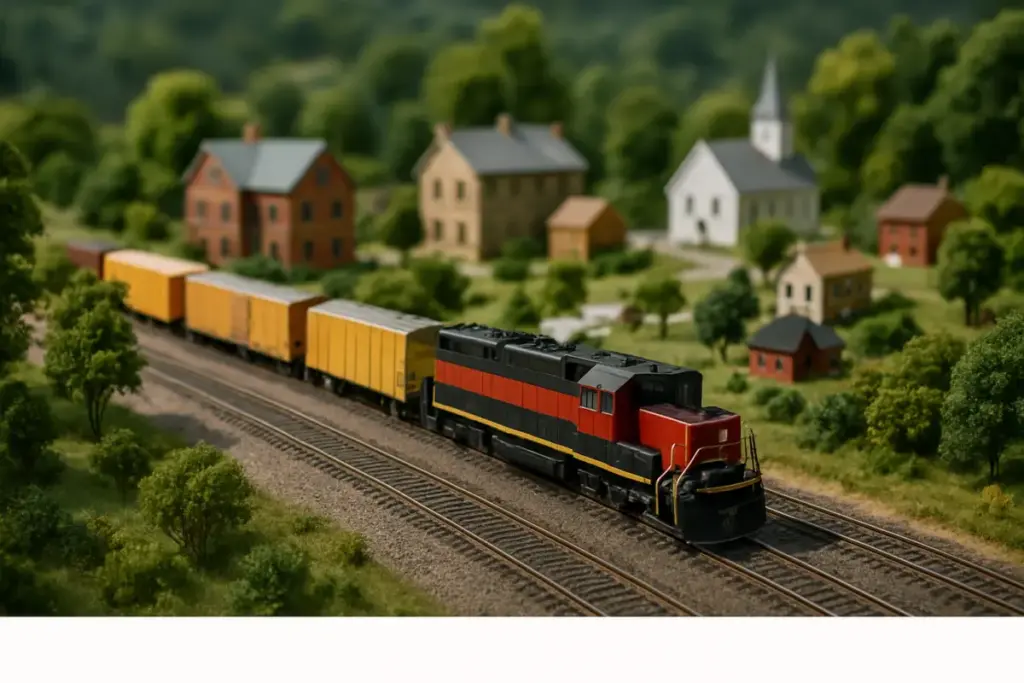
For modelers who love continuous motion, a double-track layout offers constant action and strong visual appeal. Two tracks can support passenger and freight traffic, and they also create opportunities for meets and passing maneuvers.
This layout style is especially effective when combined with elevated sections, tunnels, and large scenic backdrops. It is a good choice if you enjoy watching trains run while still preserving operational variety.
5. The Switching District Layout
A switching-focused layout is perfect for operators who enjoy detailed work. Instead of long continuous loops, this design emphasizes industries, loading docks, warehouses, and yard movements.
A switching layout can include:
– A small freight yard
– Multiple customer sidings
– Urban streets
– Industrial buildings
– Team tracks and spurs
This is one of the most engaging forms of model railway layout planning because it challenges you to think like a real railroad crew. Every move has a purpose, and each industry adds to the realism.
Model Railroad Layout Design Tips for N Scale
No matter which layout style you choose, thoughtful planning is essential. Good model railroad layout design helps your trains run reliably and makes the finished scene more believable.
Keep Track Plans Simple at First
It can be tempting to add too many loops, crossovers, and spurs. But in N scale, clean design often works best. Simple track arrangements reduce derailments and make scenery easier to build.
Plan for Accessibility
Even the most beautiful layout becomes frustrating if you can’t reach the tracks. Leave enough space to clean, rerail cars, and maintain hidden sections. If your design includes tunnels or staging yards, make sure you can access them easily.
Balance Operations and Scenery
A great layout is more than just track. Think about how trains will move through the landscape. Place industries near towns, use bridges to add interest, and vary elevation to create a sense of depth.
Use Curves Wisely
N scale trains can handle tighter curves than larger model train scales, but that doesn’t mean the smallest possible radius is best. Broader curves look more realistic and improve performance, especially for longer locomotives and passenger cars.
Create a Realistic Theme
A layout feels stronger when it reflects a specific location or railroading era. Choose a theme such as western mountain freight, modern commuter service, or rural short line operations. A clear theme helps guide scenery, structures, and rolling stock choices.
Choosing Between N Scale and HO Scale Trains
Many modelers compare N scale trains with HO scale trains before building a layout. Both are popular, but they serve different needs.
HO scale trains are larger and often easier to detail and handle, which makes them appealing for modelers who want a more hands-on experience. N scale trains, on the other hand, are better for those who want more railroad in less space.
If you have a dedicated train room, HO scale may be a comfortable choice. If your space is limited or you want longer runs and more dramatic scenery in a compact area, N scale may be the better fit. In the end, the best decision depends on your goals, budget, and available room.
Bringing Your Layout to Life
The most memorable layouts combine smart planning with creative scenery. Add trees, roads, water features, and structures to make the scene feel complete. Lighting can also transform the atmosphere, especially in urban or nighttime settings.
To elevate your layout further, consider:
– Weathering locomotives and cars
– Using consistent colors for terrain and buildings
– Adding figures and vehicles for scale realism
– Including sound or digital control for extra immersion
Even small touches can make a big difference. Because N scale is compact, each scenic element has a strong impact.
Final Thoughts
N scale offers some of the most versatile and inspiring opportunities in the hobby. From simple shelf layouts to full room-spanning railroads, the scale supports a wide range of creative builds. With thoughtful model train layout ideas, careful model railroad layout design, and smart model railway layout planning, you can create a railroad that looks impressive and operates smoothly.
Whether you are comparing N scale trains with HO scale trains or exploring different model train scales for the first time, the key is to choose a design that matches your space and interests. Start with a clear theme, keep the plan manageable, and build scene by scene. With patience and imagination, your N scale layout can become a stunning miniature world worth enjoying for years.

