

 Written by
 O Scale Model Trains Guide: Best Beginner Tips for an Effortless Start
O scale model trains are a rewarding way to enter the world of railroading, offering a satisfying balance between detail, durability, and visual impact. For anyone just getting started, the hobby can seem a little overwhelming at first, but with the right approach, it becomes much easier to enjoy. Whether you are looking for model trains for beginners or want a clear model railroad beginner guide, the key is to start simple, learn the basics, and build confidence step by step.
Why O Scale Is a Great Choice for Beginners
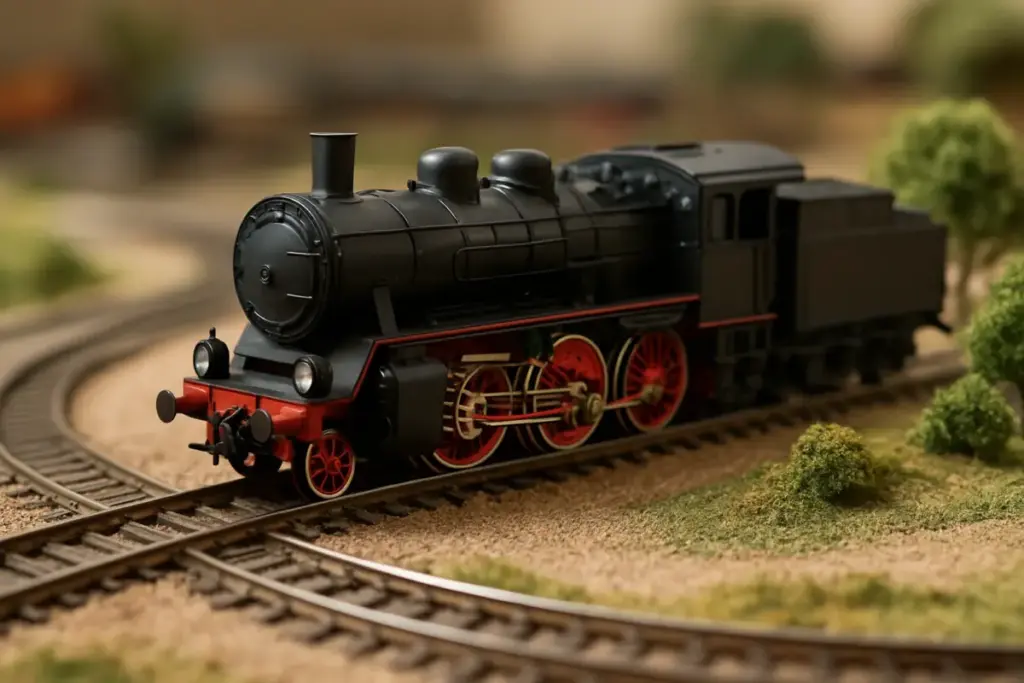
O scale is often recommended for new hobbyists because the trains are larger and easier to handle than smaller scales. That makes track assembly, engine maintenance, and scenery work more approachable. The size also allows for impressive detail, which is one reason many hobbyists stay with O scale long term.
Another benefit is durability. Larger trains and track components are often more forgiving, especially for beginners who are still learning how to set up a reliable layout. If you are wondering how to start model trains, O scale can be a smart place to begin because it combines ease of use with room for creativity.
How to Start Model Trains the Right Way

The best way to begin is not by buying everything at once. Instead, focus on building a small, manageable starter setup. A basic oval track, a locomotive, a few cars, and a power controller are enough to get started. This allows you to learn how the system works without spending too much money or creating an overly complex layout.
Here are a few beginner-friendly tips:
– Choose a simple starter set from a reputable brand
– Make sure the track fits the space you have available
– Read the instructions before assembly
– Test the train on a clean, level surface
– Keep your first layout small and easy to maintain
Starting small helps you avoid frustration. It also gives you time to understand how power, track connections, and rolling stock work before expanding your setup.
Choosing the Right Space for Your Layout
Space planning is one of the most important parts of getting started. O scale trains are larger than many other scales, so they need more room to operate comfortably. Before buying track or scenery, measure the area where your layout will sit.
A few things to consider:
– Access: You should be able to reach all parts of the layout
– Lighting: Good light makes assembly and repairs easier
– Stability: Use a sturdy table or bench
– Storage: Keep tools, track pieces, and accessories nearby
If you are working with limited room, a smaller loop or compact switching layout is a good option. You do not need a huge basement empire to enjoy the hobby. Even a simple setup can provide a lot of fun and learning value.
Understanding Track, Power, and Operation
A solid understanding of track and power systems will save you time and frustration. Most beginners should focus first on getting smooth operation rather than adding too many extras. Clean track is essential, and so is proper alignment at the rail joints.
Learn these basics early:
– How to connect track sections securely
– How to keep rails clean
– How to test electrical continuity
– How to avoid sharp curves if your equipment is large
– How to store trains safely when not in use
Once you understand the basics, operating your layout becomes much more enjoyable. Smooth movement, realistic switching, and steady power all contribute to a better experience.
Exploring Custom Model Trains After the Basics
Once you are comfortable with the essentials, you can begin exploring custom model trains. This is where the hobby becomes even more creative and personal. Customization can include paint schemes, detailing, lighting, weathering, and even sound upgrades.
Model train customization is especially appealing in O scale because the larger size makes detail work more visible and manageable. You can add realistic touches like hand-painted figures, freight load details, or customized decals. Even small changes can make your trains feel unique and more lifelike.
Some beginner-friendly customization ideas include:
– Replacing standard couplers
– Adding realistic weathering effects
– Installing interior lighting
– Painting details like handrails or vents
– Creating custom signage for buildings and cars
If you are interested in model railroad modding, O scale offers plenty of room to experiment. Just remember to make one change at a time so you can learn what each modification does.
Beginner Mistakes to Avoid
Every hobby has a learning curve, and model railroading is no exception. Many beginners get discouraged by trying to do too much too soon. Avoiding a few common mistakes can make the journey much smoother.
Watch out for these issues:
– Buying too many components before planning the layout
– Using track that does not match your available space
– Neglecting regular cleaning and maintenance
– Overcomplicating the first layout with too many features
– Rushing into advanced modifications before mastering the basics
A patient approach pays off. The more time you spend learning how everything fits together, the more enjoyable the hobby becomes.
Building Skills Over Time
Model railroading is one of those hobbies that grows with you. You do not need to know everything on day one. In fact, many experienced hobbyists continue learning for years. As your confidence grows, you can expand your layout, improve scenery, and explore electrical upgrades or digital controls.
A good way to progress is to set small goals. For example:
1. Get your first train running smoothly
2. Add a simple scenic area
3. Improve switching operations
4. Try a custom paint job
5. Explore more advanced model railroad modding
This step-by-step method keeps the hobby enjoyable and prevents burnout. Each improvement gives you a sense of accomplishment and helps you build new skills naturally.
Final Thoughts
Getting started with O scale model trains does not have to be complicated. With a smart approach, even complete beginners can create a layout that is fun, functional, and inspiring. Focus on learning the basics first, keep your first setup simple, and expand only when you feel ready. Whether your interest is in straightforward operation or creative model train customization, O scale gives you plenty of room to grow.
For anyone searching for model trains for beginners or a practical model railroad beginner guide, the best advice is simple: start small, stay patient, and enjoy the process. Once you do, you may find that the hobby offers far more than trains on a track—it becomes a creative and deeply satisfying pastime.

