

 Written by
 Model Trains for Beginners: Must-Have Simple Switching Layout Guide
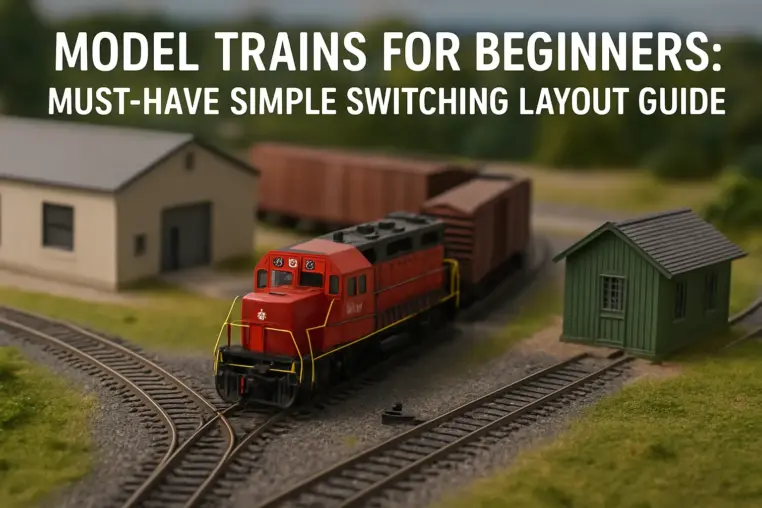
Model trains for beginners can feel overwhelming at first, but starting with a simple switching layout is one of the smartest ways to enter the hobby. Instead of building a large, complicated railroad right away, a switching layout lets you learn the essentials: track planning, basic wiring, rolling stock handling, and realistic operation. It gives you a manageable project that still feels like a real miniature railroad.
Why a Switching Layout Is Ideal for Beginners

A switching layout is designed around moving cars in and out of industries, sidings, and small yards. Rather than running trains in endless circles, you focus on “work”: delivering freight cars, picking up empties, and organizing traffic. This makes it perfect for learning because it turns every session into a purpose-driven operation.
For a beginner, this style of layout offers several advantages:
– It can be built in a smaller space.
– It requires less track than a full mainline setup.
– It teaches real railroad operations.
– It helps you practice coupling, uncoupling, and locomotive control.
– It keeps the layout interesting without becoming too complex.
If you’re wondering how to start model trains, a switching layout is one of the easiest and most rewarding paths.
Getting Started: What You Need First
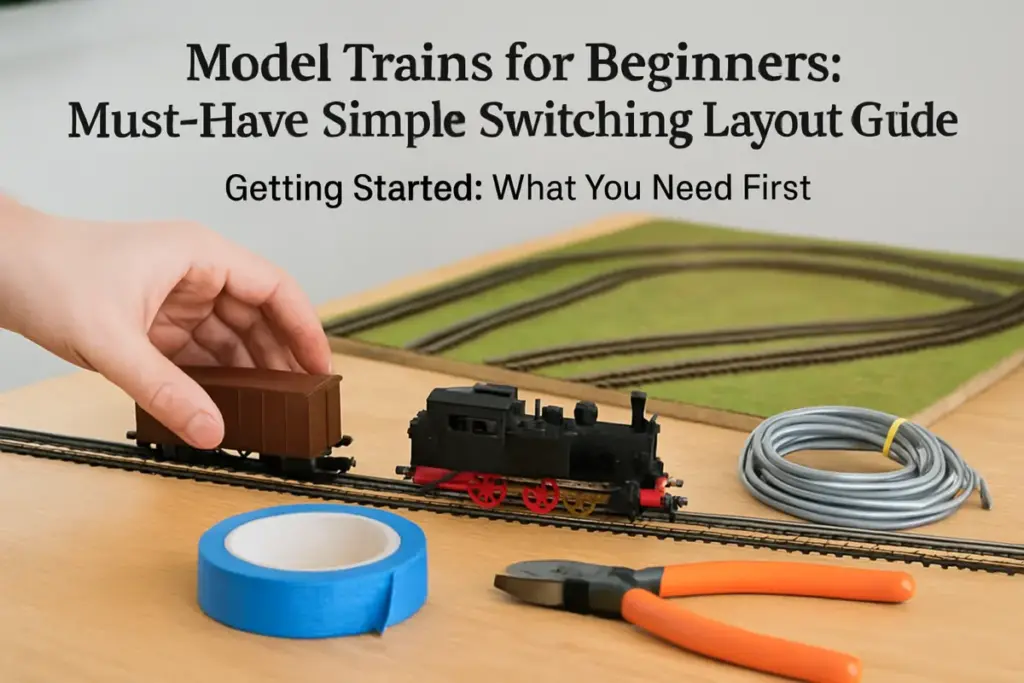
Before building anything, think about your goals, available space, and budget. A beginner does not need every accessory at once. In fact, starting small helps you avoid expensive mistakes.
Here are the basics to consider:
1. Choose a Scale
One of the first decisions in model railroad beginner guide planning is picking a scale. The most common scales include:
– HO scale: The most popular and widely supported
– N scale: Great for smaller spaces
– O scale: Larger and easier to handle, but needs more room
HO and N are usually the best choices for beginners because they offer many layout ideas, products, and community support.
2. Set Your Space
Measure the area where your layout will sit. A simple switching layout can fit on a small tabletop, shelving unit, or around-the-wall benchwork. Even a 4×8-foot surface can support a very enjoyable project if designed well.
3. Define Your Budget
A beginner-friendly layout does not need to be expensive. Focus on track, a reliable locomotive, a few freight cars, a power pack or digital controller, and basic scenery materials. You can always add details later.
Model Railroad Layout Design: Keep It Simple
Good model railroad layout design starts with simplicity. Beginners often make the mistake of trying to include too much in too little space. A switching layout works best when the plan is easy to understand and operate.
A basic beginner layout might include:
– One main track or lead
– Two to four industry spurs
– A small yard or runaround track
– A passing siding
– A few scenic features like a warehouse, freight house, or grain elevator
The key is creating movement and switching opportunities. You want enough track to keep operations interesting, but not so much that the layout becomes hard to wire or maintain.
Model Train Layout Ideas That Work Well for Beginners
There are many model train layout ideas that fit a beginner switching theme. Here are a few practical examples:
Industrial District Layout
This idea focuses on warehouses, factories, and loading docks. Cars are delivered to different businesses, making switching jobs feel realistic.
Small Town Freight District
A compact town scene with a depot, freight house, team track, and local businesses can create a lot of switching activity in a small area.
Farm and Grain Layout
This layout centers on agriculture. You can include a grain elevator, feed mill, and a few rural sidings for boxcars or covered hoppers.
Waterfront or Port Scene
A port layout offers visual interest and variety, with docks, warehouses, and rail-served shipping buildings.
Each of these ideas can be scaled to fit your available space. The best choice is the one that matches your interests and your room size.
Model Railway Layout Planning: Think Like a Railroad
Model railway layout planning is more than drawing track on a board. It’s about creating a believable operating system. Even a beginner layout should have a logical purpose.
Ask yourself these questions:
– Where do trains come from?
– Where are cars delivered?
– How does the locomotive reach each siding?
– Is there enough room to switch without frustration?
– Can operators access the layout comfortably?
A good switching layout usually includes a “yard lead” or “fiddle track” where cars can be staged. This allows you to build switching puzzles and simulate a working railroad. Planning this part carefully makes the layout much more fun later.
Track Planning Tips for Beginners
When designing your layout, try to avoid tight curves and overly complicated trackwork. Clean, dependable track is more important than fancy shapes.
Here are a few useful tips:
– Use larger curve radii if possible
– Keep track spacing consistent
– Minimize turnouts in hard-to-reach areas
– Make sure every track serves a purpose
– Leave room for scenery and buildings
A switching layout should be easy to operate by hand or with a controller. If track is too crowded, uncoupling and rerailing become frustrating. Simplicity leads to better reliability.
Wiring and Control Made Easy
For beginners, wiring should stay straightforward. A small switching layout can often run on a basic direct-current setup or a simple digital command control system.
If you are new, consider these priorities:
– Use reliable track connections
– Test each section before adding scenery
– Label wires if your layout has multiple blocks
– Keep wiring accessible under the benchwork
– Don’t rush into advanced features before mastering the basics
A reliable electrical system helps you enjoy the hobby instead of troubleshooting it constantly.
Add Operations Before Heavy Scenery
One of the best beginner strategies is to make the layout operational first. That means trains should run smoothly and switching should work before you spend too much time on scenery.
Start with:
– Track
– Wiring
– Basic structures
– A few cars and a locomotive
Then gradually add:
– Ground cover
– Roads and sidewalks
– Trees and fencing
– Signs, details, and lighting
This approach helps you stay motivated because the layout feels alive early in the process.
Common Beginner Mistakes to Avoid
When learning how to start model trains, beginners often make the same mistakes. Avoiding them saves time and money.
Some common problems include:
– Building too large a layout too soon
– Choosing track plans that are too complex
– Ignoring access for cleaning and rerailing
– Buying too many models before deciding on a theme
– Forgetting to plan for future expansion
A small, well-planned switching layout is better than a huge unfinished one.
Final Thoughts
Model trains for beginners are best approached with patience, planning, and a simple switching layout that teaches core skills without overwhelming you. By focusing on basic model railroad layout design, practical model train layout ideas, and thoughtful model railway layout planning, you can create a layout that is both manageable and enjoyable.
The hobby becomes much more rewarding when you start with a plan that fits your space, budget, and skill level. Keep it simple, test as you go, and build in stages. With the right beginner setup, your first layout can provide years of fun and a strong foundation for bigger projects later.

