 Written by
11 min read
2,019 words
49 views
-
Desk of Contents

Introduction
Prime 10 Should-Have Classic Mannequin Trains for Collectors
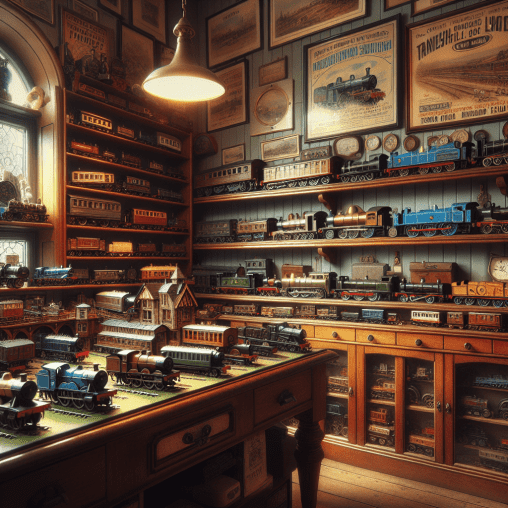
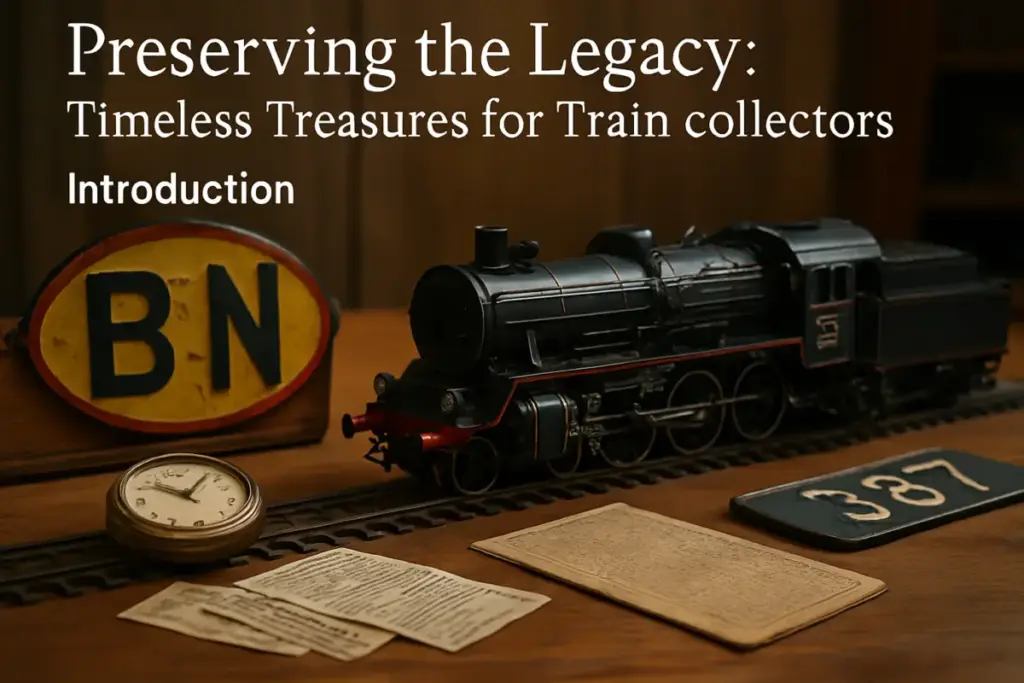
A passion that brings together engineering, creativity, and reverence for history is the discovery of vintage model trains. Every item ought to serve as a monument to the creativity and ingenuity of its time, not merely a plaything for admirers. As collectors strive to expand their collections, sure models are unquestionably iconic acquisitions. Discover the fascinating history of railroading and the ever-changing world of model train production with these top 10 must-have vintage trains. The Lionel Customary Gauge Blue Comet, which dates back to the 1930s, is highly sought after by collectors. Known for their deep blue and cream colours, this model is a miniature version of the famous passenger route that runs from New York City to Atlantic City. The foundation of any outstanding collection is its comprehensive development and historical significance. Another notable achievement is the Märklin Gauge 1 0-4-0 Loco, which is reminiscent of the early 1900s. Märklin, a German firm, is famous for its precision engineering. This relic from their early work demonstrates their remarkable progress and exquisite craftsmanship. Now we’ll look at some American models; one of the most impressive is the American Flyer S Gauge Northern 4-8-4. Produced about the midpoint of the twentieth century, this type is renowned for its realistic appearance and easy operation. Both its technical merit and its depiction of postwar technological optimism contribute to its significance. Another British model from the 1950s that captures the essence of British steam engines is the Hornby Dublo Duchess of Montrose. The evolution of die-cast steel and its concentration on elements are significant for individuals who value the golden age of steam. In addition, the Bing Tabletop Railway, which was developed in the early 1900s, has a special place in the hearts of collectors. It was a significant step forward in the transition from mechanical to electrical power, and it was one of the earliest examples of its kind. It is a fitting accompaniment to any setback since its attractive appearance matches its historical importance. The Fleishmann Magic Practice narrow-gauze model from the 1960s is also significant. With its innovative design and impressive capability, it opens up a whole new universe of model railroading. Collectors are captivated by the A.C. Gilbert American Flyer Circus Practice for its unique shape and brilliant colours. It represents the 1950s fixation with the circus and adds a whimsical touch to any blend. Another intriguing idea is the Trix Twin Railway, which proposes two trains running independently on a single monitor. This work of art is an excellent supplementary resource for collectors advancing their model-building expertise, thanks to its thoughtful design. Finally, the Lionel 700E Hudson, often considered the pinnacle of model practice design, is an essential piece for any great collector’s collection. Built in the late 1930s, it revolutionised the standard for model trains with its meticulous attention to detail and precise adherence to scale. Its influence on model practice making makes it an enduring piece for any collection. Finally, these ten exceptional model trains not only reflect watershed times in the history of model railroading but also offer collectors a wide range of designs and concepts. Because it is a representation of the cultural mores and technical advances of its time, every model reveals something about that era. Collectors can preserve a piece of history for centuries to come and take pride in owning one of these models.The Evolution of Practice Collectibles: From Tinplate to Trendy Fashions
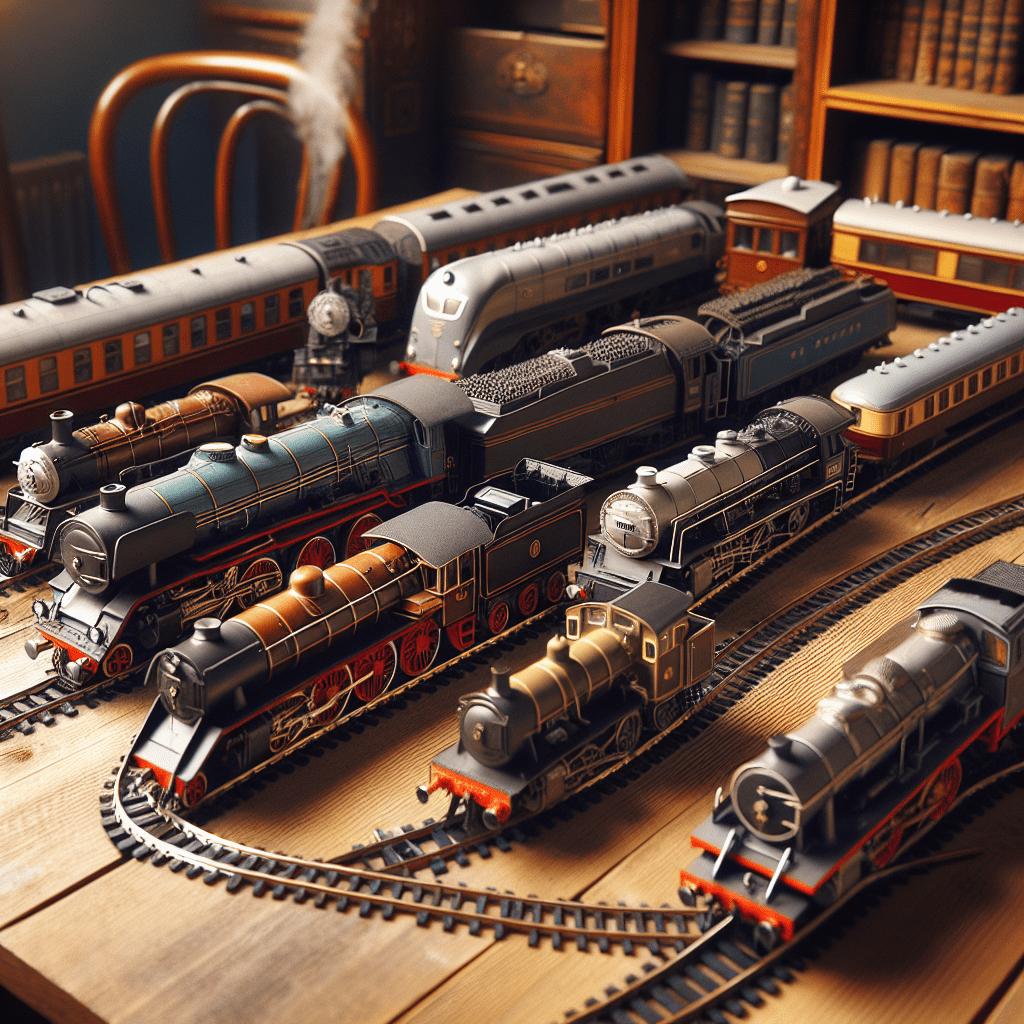 As a whole, technological advancements and changes in popular culture have caused an interesting upheaval in the collectibles industry. When practice collectibles first appeared in the late 1800s and early 1900s, they were mostly tinplate models. These early models captivated the imaginations of children and adults alike, despite their simplistic appearance. The allure of tinplate trains, which were typically powered by clockwork systems, lay in their eye-catching designs and the novelty of mechanical motion. As manufacturing advanced, these models grew progressively more intricate, incorporating electrical power and more intricate detailing.
Midway through the century, there was a noticeable shift from the early tinplate models to extremely realistic and detailed practice models. Due to their constant element and appropriate measurement range, HO scale models, which first appeared during this century, became the standard for enthusiasts. Improvements in production methods and materials allowed for more realistic and precise models, which in turn drove innovation. Collectors began to take note of the elaborate arrangements and settings created to accentuate the trains. An other factor that contributed to the prior game’s increased popularity was the introduction of specialised model practice golf equipment and displays around this period.
Practice materials shifted their focus during the twentieth century. With the advent of digital knowledge came a new generation of model trains that could make decisions in accordance with DCC processes. These techniques enhance the realism and intricacy of model practice settings by allowing previously unimaginable administration over multiple trains on a single display. With the use of lights and audio, collectors may now mimic real-life practicing methods, giving the hobby a fresh new angle. The combination of old-world craftsmanship and cutting-edge technology attracted a new generation of enthusiasts in addition to long-time collectors, thanks to this technical advancement.
Collectibles have grown in recent years to include many more things than just traditional model trains. Classic railway indicators, tickets, and uniforms are now highly sought-after pieces of memorabilia. The trains get a more substantial historical context and a tangible connection to rail travel’s past from this material. In addition, the proliferation of online marketplaces has stoked a fire under collectors by making it easier for them to track out unique and odd artefacts from all over the world.
The environmental movement of the 20th century also had an impact on the way practice collecting is done. Hybrid and electric train models are popular among collectors these days since they represent eco-friendly lifestyles. This change reflects the actual trend towards greater travel alternatives and emphasises the ongoing importance of practice objects in contemporary culture.
Finally, more generalised technological and cultural tendencies are shown by the transition of practice collections from tinplate models to trendy digital technology. As it evolves to accommodate new ideas and interests, the hobby remains lively and engaging for people of all ages who like it. As artefacts that capture imagination, evoke nostalgia, and provide insight into the history and future of rail travel, practice objects never cease to amaze. As collectors investigate this exciting field, the realm of practice collectibles is sure to stay evolving and provide new alternatives for delight.
As a whole, technological advancements and changes in popular culture have caused an interesting upheaval in the collectibles industry. When practice collectibles first appeared in the late 1800s and early 1900s, they were mostly tinplate models. These early models captivated the imaginations of children and adults alike, despite their simplistic appearance. The allure of tinplate trains, which were typically powered by clockwork systems, lay in their eye-catching designs and the novelty of mechanical motion. As manufacturing advanced, these models grew progressively more intricate, incorporating electrical power and more intricate detailing.
Midway through the century, there was a noticeable shift from the early tinplate models to extremely realistic and detailed practice models. Due to their constant element and appropriate measurement range, HO scale models, which first appeared during this century, became the standard for enthusiasts. Improvements in production methods and materials allowed for more realistic and precise models, which in turn drove innovation. Collectors began to take note of the elaborate arrangements and settings created to accentuate the trains. An other factor that contributed to the prior game’s increased popularity was the introduction of specialised model practice golf equipment and displays around this period.
Practice materials shifted their focus during the twentieth century. With the advent of digital knowledge came a new generation of model trains that could make decisions in accordance with DCC processes. These techniques enhance the realism and intricacy of model practice settings by allowing previously unimaginable administration over multiple trains on a single display. With the use of lights and audio, collectors may now mimic real-life practicing methods, giving the hobby a fresh new angle. The combination of old-world craftsmanship and cutting-edge technology attracted a new generation of enthusiasts in addition to long-time collectors, thanks to this technical advancement.
Collectibles have grown in recent years to include many more things than just traditional model trains. Classic railway indicators, tickets, and uniforms are now highly sought-after pieces of memorabilia. The trains get a more substantial historical context and a tangible connection to rail travel’s past from this material. In addition, the proliferation of online marketplaces has stoked a fire under collectors by making it easier for them to track out unique and odd artefacts from all over the world.
The environmental movement of the 20th century also had an impact on the way practice collecting is done. Hybrid and electric train models are popular among collectors these days since they represent eco-friendly lifestyles. This change reflects the actual trend towards greater travel alternatives and emphasises the ongoing importance of practice objects in contemporary culture.
Finally, more generalised technological and cultural tendencies are shown by the transition of practice collections from tinplate models to trendy digital technology. As it evolves to accommodate new ideas and interests, the hobby remains lively and engaging for people of all ages who like it. As artefacts that capture imagination, evoke nostalgia, and provide insight into the history and future of rail travel, practice objects never cease to amaze. As collectors investigate this exciting field, the realm of practice collectibles is sure to stay evolving and provide new alternatives for delight.