

 Written by
 HO Scale Trains Explained: Best Must-Have Guide to Customization
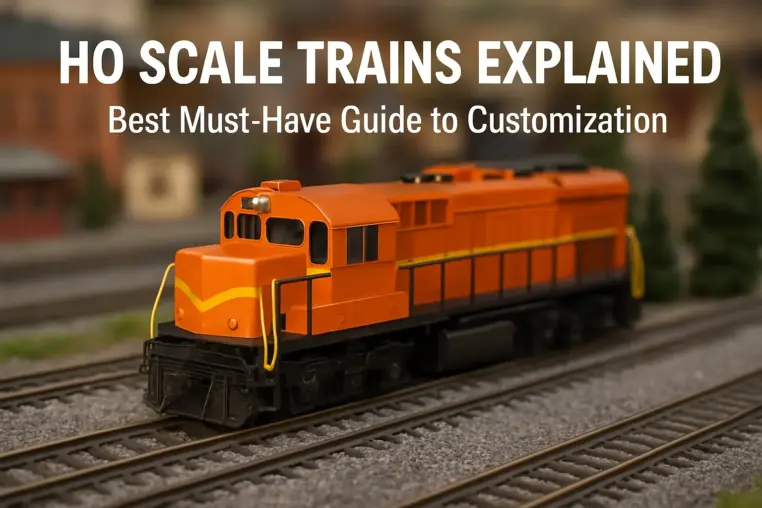
HO scale trains are one of the most popular choices in the model railroading hobby, and for good reason. They offer a strong balance between size, detail, cost, and availability, making them ideal for beginners and experienced hobbyists alike. If you are interested in adding personality, realism, and creativity to your layout, understanding how HO scale works—and how to customize it—can take your railroad to the next level. This guide covers the essentials of HO scale, compares it with other model train scales, and explores practical ways to get started with custom model trains and advanced model train customization.
What Makes HO Scale Trains So Popular?

HO scale is roughly 1:87 in size, which means the model is 87 times smaller than the real locomotive, freight car, building, or track feature it represents. The scale has become a favorite because it is large enough to show impressive detail, yet small enough to fit realistic layouts into a home, basement, or hobby room.
One major advantage of HO scale is the wide variety of products available. From locomotives and rolling stock to buildings, scenery, and accessories, hobbyists can find nearly everything they need without resorting to extensive scratch-building. This also makes it easier to experiment with model train customization because there are many ready-made parts, kits, and upgrade components on the market.
HO also strikes a good balance in terms of handling. It is large enough for easy maintenance and detailing, but not so large that it requires excessive space. For many modelers, that “sweet spot” is what keeps HO at the top of the hobby.
HO Scale Trains vs. N Scale Trains

When comparing HO scale trains with N scale trains, the biggest difference is size. N scale is smaller, typically 1:160, which allows modelers to fit more track and scenery into limited spaces. That makes N scale a great choice for compact layouts, apartment setups, or hobbyists who want to recreate long mainlines in a small area.
HO scale, on the other hand, offers more room for detailing and easier handling. If you enjoy adding weathering, upgrading couplers, installing lighting, or modifying locomotive shells, HO usually provides a more forgiving platform. This is especially true for beginners exploring model railroad modding, since the parts are easier to see and work with.
In short:
– N scale trains are best for maximizing layout size in small spaces.
– HO scale trains are often preferred for detail, accessibility, and customization options.
There is no single “best” scale. The right choice depends on your available space, budget, and goals for the layout.
Getting Started with Custom Model Trains
Building custom model trains can mean anything from adding a few details to a stock locomotive to creating a one-of-a-kind engine with unique paint, lighting, and modifications. The great thing about the hobby is that you can start small and build skills over time.
A few beginner-friendly customization ideas include:
– Replacing factory couplers with better-performing metal couplers
– Adding figures inside cabs or passenger cars
– Installing brighter or warmer LED lighting
– Applying weathering powders or paint washes
– Changing road numbers or decals for a more personal look
– Upgrading wheelsets for smoother operation
These improvements may seem minor, but they can dramatically increase realism. Even simple changes can make a train feel more authentic and unique.
Model Train Customization: Where to Begin
If you are new to model train customization, it helps to think in stages. Start with modifications that improve appearance or reliability, then move toward more advanced projects as your confidence grows.
1. Paint and Weathering
Weathering is one of the most effective ways to make a model look real. Real trains do not stay spotless for long, so adding grime, rust, soot, and dust effects can transform a factory-fresh locomotive into something much more believable. Techniques include dry brushing, airbrushing, chalks, and enamel washes.
2. Detail Parts
Grab irons, handrails, mirrors, antennas, air horns, and ladders are small parts that make a big difference. Many hobby suppliers sell detail kits designed for specific locomotive or car types. Adding these parts is a classic form of model railroad modding and can greatly increase realism.
3. Lighting Upgrades
LED lighting can improve both appearance and function. You can add cab lights, marker lights, interior lights for passenger cars, or even flicker effects for a more dramatic scene. Lighting upgrades are a favorite project for many hobbyists because they are visible and rewarding.
4. Electronics and Sound
For those ready to go further, Digital Command Control (DCC) and sound decoders allow custom engine behavior, such as independent lighting effects, synchronized horn sounds, and realistic startup sequences. This is one of the more advanced areas of customization, but also one of the most satisfying.
Model Railroad Modding Tips for Better Results
Successful model railroad modding takes patience and planning. Before cutting, painting, or wiring anything, make sure you understand the model’s construction and what tools are required.
Here are a few useful tips:
– Work on one project at a time
– Keep notes on paint colors, part numbers, and wiring changes
– Test-fit parts before applying glue
– Use the right adhesives for plastic, metal, or resin
– Practice painting and weathering techniques on spare parts first
– Take photos of the original model before modifying it
It is also helpful to join online forums or local clubs. Other hobbyists can share advice, troubleshoot problems, and recommend parts that work well for your particular locomotive or car.
Customization Ideas for Layout and Scenery
Customization is not limited to the trains themselves. The surrounding environment is just as important. A carefully built scene can make even a simple layout feel alive.
Consider customizing:
– Structures with signs, stains, and interior lighting
– Roads with cracked pavement and markings
– Industries with loading docks, pallets, and vehicles
– Trees, grass, and rock formations for a more natural look
– Stations with period-specific details
– Track areas with ballast weathering and maintenance items
By coordinating train modifications with scenery themes, you can create a layout that feels unified and realistic.
Choosing the Right Scale for Your Goals
When selecting between model train scales, think about what matters most to you. If you want easier handling, a larger parts selection, and a strong focus on realism, HO scale is an excellent choice. If you are more concerned with fitting a large rail system into a smaller area, N scale may be more practical.
Many hobbyists even collect more than one scale, using each for a different purpose. But for anyone who wants a versatile and customizable starting point, HO remains one of the best options available.
Final Thoughts
HO scale offers an ideal blend of realism, accessibility, and creative freedom. Whether you are interested in basic upgrades, detailed weathering, or more advanced model train customization, this scale gives you plenty of room to grow. From simple improvements to full model railroad modding projects, the possibilities are nearly endless.
If you are ready to dive into the world of custom model trains, HO scale is a strong place to begin. It provides the detail and flexibility that hobbyists love, while still being practical enough for most home layouts. With the right tools, patience, and creativity, you can turn standard equipment into a truly personal railroad display.

