

 Written by
 Model Train Benchwork Guide: Best Beginner Tips for Effortless Layouts
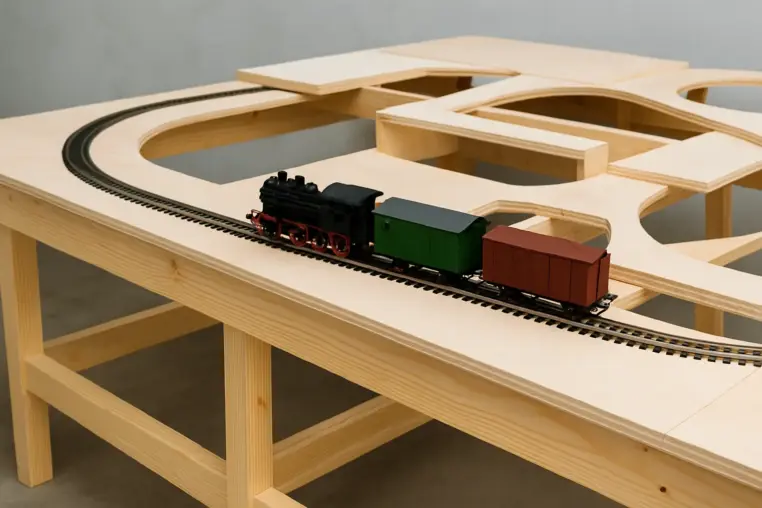
Model trains for beginners can be one of the most rewarding hobbies to start, but many newcomers quickly discover that a great layout depends on more than just trains and track. The foundation of a smooth-running model railroad is solid benchwork. Without good benchwork, even the most creative layout can become difficult to build, maintain, and expand. If you are wondering how to start model trains the right way, learning the basics of benchwork is one of the smartest first steps you can take.
A strong layout starts with planning, and that means thinking about size, shape, access, support, and future changes before the first board is cut. Beginners often get excited about scenery, locomotives, and track accessories, but the structure underneath everything matters just as much. In this guide, you’ll learn practical tips for building easy, reliable benchwork that supports your vision and makes the entire hobby more enjoyable.
Why Benchwork Matters for Beginners

For anyone using a model railroad beginner guide, benchwork may seem like a technical detail, but it actually determines how easy your project will be to build and maintain. Benchwork is the framework that holds the layout surface, track, scenery, wiring, and accessories. If the base is weak or poorly planned, you may face wobbly sections, hard-to-reach track, or expensive rebuilds later.
Good benchwork helps you:
– Keep the layout level and stable
– Reduce track problems caused by uneven surfaces
– Make wiring easier to install and troubleshoot
– Allow better access to all parts of the layout
– Support future expansion without starting over
For beginners, this means fewer headaches and more time enjoying the trains.
Start with Realistic Layout Goals

Before cutting wood, think carefully about what you want from your railroad. Many model railroad layout design problems begin when a layout is too ambitious for the available space. It’s better to start with a simple, well-built plan than to cram too much into a room.
Ask yourself:
– What scale will I use?
– How much space do I really have?
– Will the layout be temporary or permanent?
– Do I want continuous running, switching, or a mix of both?
– Will I need to move the layout later?
These questions help shape your model railway layout planning. Beginners often benefit from starting small, such as a shelf layout or a simple oval with sidings, and then expanding over time. A manageable layout is easier to finish and more enjoyable to operate.
Choose a Benchwork Style That Fits Your Space
There are several benchwork styles, but beginners usually do best with one of the simplest options.
Open Grid Benchwork
This design uses a frame of lumber with cross supports, creating a strong but lightweight structure. It’s versatile and works well for larger layouts or layouts with uneven terrain.
L-Girder Benchwork
This style is popular because it’s strong, adjustable, and great for more advanced layouts. However, it may be more than a beginner needs for a first project.
Shelf Benchwork
Shelf layouts are ideal for smaller rooms, hallways, or apartment spaces. They save floor space and are excellent for model train layout ideas focused on industrial scenes, branch lines, or switching.
Tabletop Benchwork
This is the simplest form and is often the easiest for beginners. A flat surface mounted on legs or a sturdy base can be a good starting point for a basic layout.
When choosing, keep in mind the shape of the room, how much access you need, and whether you want room to grow later.
Use Reliable Materials
You do not need expensive materials to build good benchwork. In fact, simple, sturdy materials are usually best. Plywood, lumber, and foam are common choices. Many beginners use:
– 1×3 or 1×4 lumber for framing
– Plywood for the top surface
– Foam board for scenery shaping
– Wood screws and glue for assembly
– Adjustable legs or risers for leveling
Avoid using warped boards or very thin materials that may bend under weight. A flat, sturdy frame saves time and frustration later. If possible, build in a way that allows easy access to wires and underside components.
Plan for Access and Reach
One of the most overlooked parts of model railway layout planning is how far you can comfortably reach across the layout. If track or scenery is too far from the edge, derailments become difficult to fix and maintenance becomes frustrating.
A good beginner rule is to keep the layout narrow enough that you can comfortably reach the center from either side. If the layout must be wider, add access hatches or design it so you can walk around both sides. This is especially important for layouts against a wall or in a corner.
Think about:
– How you will clean track
– How you’ll rerail cars
– Where wiring access will go
– Whether scenery will block repairs
Easy access leads to easier operation and fewer regrets.
Keep the Track Plan Simple at First
Benchwork and track design should work together. If you are still learning how to start model trains, resist the temptation to build complicated track networks right away. Simple layouts are easier to align, wire, and maintain.
Good beginner track plans often include:
– An oval for continuous running
– A passing siding
– A small yard
– One or two industrial spurs
– A staging area for extra trains
These ideas let you enjoy operation without overcrowding the space. Simple track plans also make it easier to test train performance before adding scenery and structures.
Think Ahead About Wiring and Scenery
A smart benchwork design should leave room for future details. Even if you’re not ready to install all your scenery or electrical components, planning ahead helps prevent rework.
For wiring, leave openings or channels where cables can pass through. For scenery, consider how hills, bridges, tunnels, and roads might affect the structure below. Foam tops are especially useful because they are easy to cut and shape for terrain.
Some beginner-friendly model train layout ideas include:
– A town scene with a depot and small yard
– A mountain branch line with a tunnel
– An industrial switching district
– A short loop with a scenic river crossing
These types of layouts often look impressive without requiring a huge footprint.
Measure Twice, Build Once
Accurate measurement is one of the most important habits in any model railroad beginner guide. Before assembling anything, draw a scale plan of your room and layout. Mark doorways, windows, outlets, and clear walking paths. Then compare that plan to your layout dimensions.
A few mistakes to avoid:
– Forgetting aisle space
– Placing benchwork too close to walls
– Building sections that are too heavy to move
– Ignoring room for future additions
– Skipping level checks during assembly
Careful measuring saves time, materials, and stress.
Build in Sections if Needed
If your layout is large, consider building it in modular sections. This makes moving, adjusting, and expanding easier. Sections can be joined together and later modified without tearing apart the entire layout. This approach is especially helpful for beginners who may still be refining their ideas.
Sections also make transportation easier if you ever move homes. For many people, flexibility is one of the biggest advantages in early layout planning.
Final Thoughts
Good benchwork is the hidden foundation of a successful model railroad. For model trains for beginners, it can mean the difference between a layout that feels frustrating and one that feels effortless. By starting with realistic goals, choosing the right structure, planning access carefully, and keeping the first track plan simple, you can create a layout that is stable, enjoyable, and ready for future growth.
If you are just learning how to start model trains, focus first on building a base you can trust. Once the benchwork is right, everything else—track, scenery, wiring, and operations—becomes easier and more fun. With thoughtful model railroad layout design and careful model railway layout planning, your first layout can become the foundation for years of rewarding hobby time.

