

 Written by
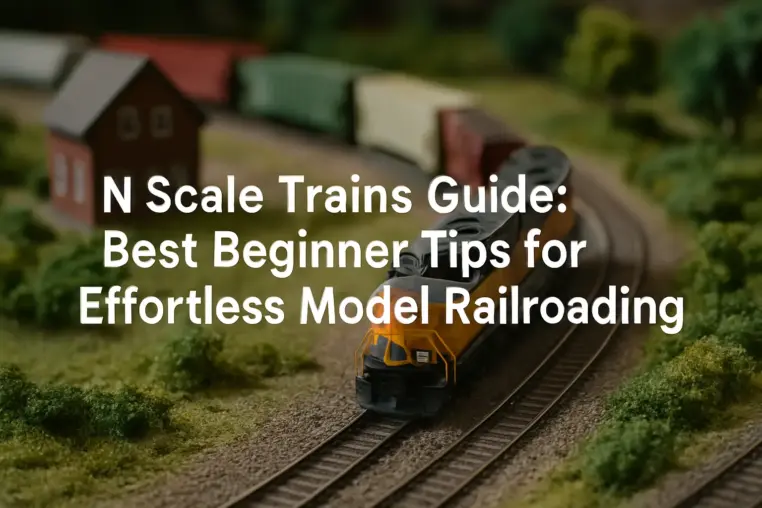
 N Scale Trains Guide: Best Beginner Tips for Effortless Model Railroading
N scale trains are one of the best ways to enter the world of model railroading because they offer a strong balance of detail, realistic operation, and space-saving design. If you’re new to the hobby, N scale can feel both exciting and a little overwhelming at first. There are locomotives, track systems, scenery, wiring, and planning decisions to think about—but with the right approach, getting started can be smooth and enjoyable.
This guide is designed to help you build confidence from day one. Whether you’re searching for model trains for beginners, looking for a practical model railroad beginner guide, or trying to figure out how to start model trains without wasting time or money, the tips below will help you create a layout that is fun, manageable, and easy to expand later.
Why N Scale Is Great for Beginners

N scale is a popular choice because it fits a lot of railroad into a small area. In practical terms, that means you can create a more interesting layout in a spare room, on a shelf, or even on a tabletop. For beginners, that’s a huge advantage. You don’t need a large basement or garage to build something satisfying.
Another benefit is the wide range of products available. Many manufacturers offer N scale locomotives, rolling stock, track, buildings, and accessories. That makes it easier to find starter sets and parts that match your budget and interests. If you want a simple switching layout or a full scenic railroad, N scale gives you room to grow.
How to Start Model Trains Without Feeling Overwhelmed

One of the biggest mistakes new hobbyists make is trying to build too much too soon. A better approach is to start small and focus on learning the basics.
Begin with these steps:
1. Choose a simple purpose for your layout
Decide whether you want to watch trains run, switch cars around a small yard, or build a realistic scene. A clear purpose will guide every other decision.
2. Buy a starter set or basic locomotive package
Starter sets are often the easiest entry point for model trains for beginners. They usually include track, power, and one or two trains, which helps you get running quickly.
3. Use a simple track plan
A loop, oval, or point-to-point line is enough to learn the basics. Avoid complicated trackwork until you understand how trains behave on your layout.
4. Test before decorating
Run your train on bare track first. Make sure everything works before adding scenery, structures, or electrical accessories.
5. Learn one skill at a time
Focus on track laying first, then wiring, then scenery. Breaking the hobby into stages makes progress feel much less intimidating.
Choosing the Right Starter Equipment
A good model railroad beginner guide should emphasize simplicity and reliability. For your first layout, prioritize items that are easy to use and well-supported.
Look for:
– A reliable N scale locomotive
– Cars that roll smoothly
– Quality track with solid electrical connections
– A power pack or digital command control system that matches your comfort level
– Basic tools like cutters, tweezers, glue, and a small screwdriver set
If you are just learning how to start model trains, don’t worry about buying the most advanced equipment. A dependable, simple setup will teach you far more than a complicated one that constantly causes problems.
Plan for Easy Expansion Later
Even if you start small, it helps to think ahead. A beginner layout should be easy to modify as your skills improve. Leave room for future sidings, a yard, or more scenery. If you think you may want an additional loop or a switching area later, plan the benchwork and track arrangement accordingly.
This is especially important in N scale because the size lets you build layered scenes and more interesting operations without needing a large footprint. A good first design should be enjoyable now and flexible later.
Keep Maintenance Simple
New modelers often underestimate the importance of maintenance. Clean track and well-maintained equipment make a huge difference in performance.
Here are a few simple habits that help:
– Wipe track regularly to remove dust and oxidation
– Keep wheels clean on locomotives and cars
– Avoid sharp curves that can cause derailments
– Store equipment carefully when not in use
– Check electrical connections if trains begin to slow or stop
By keeping things simple, you’ll spend more time enjoying the layout and less time fixing problems.
Introduction to Custom Model Trains
Once you feel comfortable running your first train, you may want to explore custom model trains. This is where the hobby becomes even more personal. Customization can mean adding weathering, changing paint, upgrading couplers, installing better motors, or building unique details that make your railroad stand out.
For beginners, custom work doesn’t need to be complicated. Small improvements can make a big visual impact. For example, adding realistic scenery, replacing plastic details, or lightly weathering freight cars can give your layout a more authentic look without requiring advanced tools.
Model Train Customization Ideas for Beginners
Model train customization can be as simple or as advanced as you want. If you’re new, start with low-risk projects that build skill and confidence.
Some beginner-friendly ideas include:
– Adding figures and vehicles to scenes
– Weathering freight cars with powders or paint washes
– Installing building lights
– Adding simple scenery like grass, trees, and roads
– Numbering or labeling cars for a more realistic fleet
These small projects teach you how materials behave and how to make your railroad feel unique. They also make your layout more satisfying because it reflects your own style and imagination.
Getting Started with Model Railroad Modding
As your confidence grows, you may be interested in model railroad modding, which usually refers to modifying locomotives, rolling stock, electronics, or control systems to improve appearance or performance. Modding can sound technical, but beginners can start with basic upgrades.
Examples include:
– Replacing couplers
– Improving lighting
– Installing decoder upgrades for DCC systems
– Adding weight to cars for better tracking
– Refining scenery or structures to better match your theme
The key is to start with modifications that are easy to reverse or test on inexpensive equipment. This lets you learn without risking your favorite locomotive right away.
Common Beginner Mistakes to Avoid
Even enthusiastic beginners can run into problems if they rush. Here are a few mistakes worth avoiding:
– Buying too much equipment before planning the layout
– Using a track plan that is too complex
– Ignoring electrical reliability
– Skipping track testing before scenery
– Choosing projects that are too advanced too soon
Model railroading should be enjoyable, not stressful. Keep your first layout realistic in scope, and let your skills develop naturally.
Final Thoughts
Starting with N scale is a smart choice if you want a hobby that combines realism, creativity, and manageable space requirements. The best way to succeed is to keep your first layout simple, reliable, and fun. Learn the basics, choose dependable equipment, and expand your skills gradually.
Whether you’re exploring how to start model trains, looking for a practical model railroad beginner guide, or dreaming about custom model trains and future model railroad modding, the most important thing is to begin with confidence. With patience and a thoughtful approach, your first N scale setup can become the foundation for years of enjoyable model railroading.

