


 Written by
 Model Trains for Beginners: Best Beginner Checklist for Effortless Start
Model trains for beginners can be one of the most rewarding hobbies to start, whether you’re drawn to the charm of miniature scenery, the satisfaction of building layouts, or the creativity of customizing every detail. If you’re new to the hobby, the biggest challenge is often knowing where to begin. Should you choose a scale first? What kind of track do you need? Do you buy a ready-made set or build your own from scratch? This guide walks you through the essential steps so you can get started with confidence and avoid common beginner mistakes.
Why Model Trains Are a Great Hobby
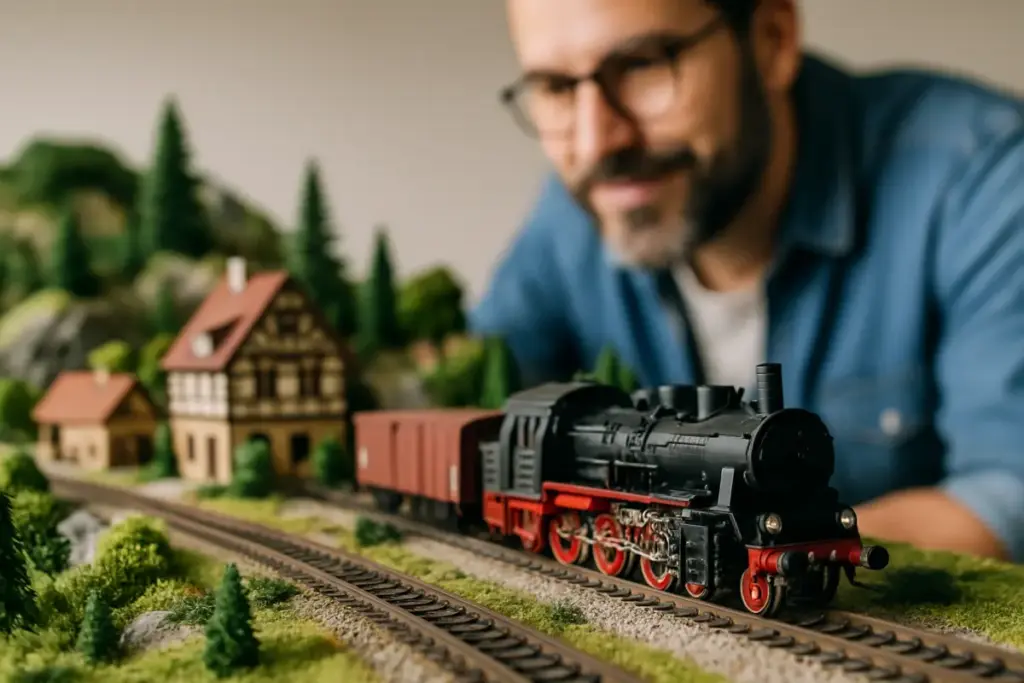
Model railroading blends creativity, engineering, design, and storytelling. It’s not just about running trains in circles. Many hobbyists enjoy building realistic landscapes, designing layouts, wiring control systems, and even creating historical or fantasy-inspired scenes. For some, the hobby becomes a relaxing weekend activity. For others, it grows into a long-term passion with endless room for improvement.
A good model railroad beginner guide should help you understand that there is no single “correct” way to start. You can keep things simple and still enjoy the hobby immensely. The goal is to choose a beginner-friendly path that fits your space, budget, and interests.
How to Start Model Trains: Begin with the Basics

Before you buy anything, take a few minutes to define what you want from the hobby. Ask yourself:
– How much space do I have?
– Do I want a small tabletop layout or a larger permanent setup?
– Am I interested in realism, fantasy, or a specific era?
– Do I want to build scenery and structures, or just focus on train operation?
Answering these questions will help you make better purchasing decisions. One of the biggest mistakes beginners make is buying too much too soon. A simple start is often the best start.
When learning how to start model trains, it helps to begin with a manageable goal. For example, a small oval track with one locomotive, a few cars, and basic scenery can teach you a lot before you move on to advanced projects.
Beginner Checklist for an Effortless Start
Use this checklist to keep your first steps simple and organized:
1. Choose a Scale
Scale refers to the size of the model train compared to the real thing. Popular beginner scales include:
– HO scale: Very popular, easy to find, and offers a good balance between size and detail
– N scale: Smaller, great for limited space
– O scale: Larger and easier to handle, but needs more room
If you’re unsure, HO scale is often a practical starting point because it has a huge selection of products and accessories.
2. Pick a Starter Set
A starter set usually includes a locomotive, cars, track, and a controller. This is one of the simplest ways to begin because it removes much of the guesswork. Look for a set from a reliable brand with good reviews and compatible track pieces.
3. Plan Your Space
You do not need a huge room to enjoy the hobby. A desk, shelf, folding table, or dedicated corner can work well. Just make sure the surface is sturdy and level. Even a small layout can be impressive if it’s planned thoughtfully.
4. Gather Essential Tools
You don’t need a full workshop, but a few tools will make setup easier:
– Small screwdriver set
– Hobby knife
– Tweezers
– Track cleaning supplies
– Wire cutters
– Glue suitable for scenery work
5. Learn the Track System
Track compatibility matters. Some systems are easier for beginners because they snap together quickly and stay aligned. Before buying extra pieces, confirm they match your starter set.
6. Set a Budget
Model railroading can be affordable at the start, but costs can rise as your layout grows. Decide on a starting budget and stick to it. This prevents overspending before you know what you enjoy most.
Choosing Between Ready-Made and Custom Model Trains
As you become more comfortable, you may start exploring custom model trains. These can include upgraded details, repainted locomotives, unique rolling stock, or layout elements built to match a specific theme.
For beginners, the best approach is usually to start with ready-made products and gradually move into customization. That way, you can learn the basics of operation before trying advanced changes. Once you know how everything fits together, model train customization becomes much easier and more satisfying.
Some hobbyists prefer building exact replicas of real trains, while others enjoy creating imaginative scenes. Either way, custom work lets you add personality to your layout and make it truly your own.
Model Railroad Modding for Beginners
Model railroad modding sounds intimidating, but it can begin with simple changes. You do not need to become an expert right away. Small upgrades can make a noticeable difference.
Beginner-friendly modding ideas include:
– Replacing stock couplers
– Adding figures or cargo details
– Weathering cars for a used look
– Installing better lighting
– Improving scenery around the track
– Painting small accessories to match your theme
These small projects build confidence and teach valuable skills. Over time, you can move on to more advanced electrical work, sound systems, digital controls, or scratch-built structures.
Common Beginner Mistakes to Avoid
Starting a new hobby is exciting, but a few mistakes can slow progress. Try to avoid these common problems:
– Buying too many trains before learning the basics
– Ignoring track compatibility
– Choosing a scale that doesn’t fit your space
– Skipping track cleaning and maintenance
– Overcomplicating your first layout
– Neglecting a realistic budget
The simplest layouts often teach the most. Once you’re comfortable, you can expand with confidence instead of frustration.
Building Confidence Through Small Wins
One of the best parts of model railroading is watching a project come together piece by piece. Start small, celebrate progress, and don’t worry about perfection. Your first layout does not need to look like a magazine photo. It only needs to help you learn and enjoy the process.
As your skills grow, you’ll find more opportunities to experiment with scenery, electronics, and design. That’s when the hobby becomes even more exciting, because every improvement reflects your own creativity and effort.
Final Thoughts
Getting started with model railroading does not have to be overwhelming. By following a simple checklist, choosing the right scale, and starting with a modest plan, you can build a strong foundation for long-term enjoyment. Whether you’re interested in realistic operations, artistic scenery, or custom model trains, the hobby offers endless possibilities.
If you’re looking for a beginner-friendly path, focus on the essentials first, keep your first layout manageable, and allow yourself room to learn. With the right approach, your journey into model trains for beginners can be smooth, fun, and deeply rewarding.

