

 Written by
 Model Trains for Beginners: Best Easy Maintenance Tips
Model trains for beginners are a rewarding hobby that combines creativity, engineering, and relaxation. Whether you are building a small display layout or planning a growing model railroad, learning the basics of care and upkeep will help your trains run smoothly and last longer. A little regular maintenance also makes the hobby more enjoyable because you spend less time troubleshooting and more time watching your trains move.
Getting started can feel overwhelming at first, especially if you are reading a model railroad beginner guide and seeing terms like DCC, track cleaning, wheel alignment, and lubrication. The good news is that you do not need advanced skills to keep your trains in good condition. With a few simple habits, even a complete beginner can maintain a reliable layout and avoid common problems.
How to Start Model Trains the Right Way

If you are wondering how to start model trains, the best approach is to begin small. A compact layout is easier to maintain, easier to troubleshoot, and less expensive to upgrade. Many beginners make the mistake of buying too much too soon. Instead, focus on a starter set, a basic track plan, and one or two locomotives you can learn to care for properly.
Before running trains, make sure your track is set up on a stable, level surface. Uneven layouts can cause derailments and put strain on locomotives. It is also wise to keep your trains in a clean, dry room away from dust and moisture. Storage conditions matter just as much as the trains themselves.
When you first set up your layout, test everything slowly. Run each locomotive at low speed, listen for unusual sounds, and check whether the wheels stay aligned on curves and switches. Early testing helps you catch problems before they become bigger maintenance issues.
Simple Track Care for Reliable Operation
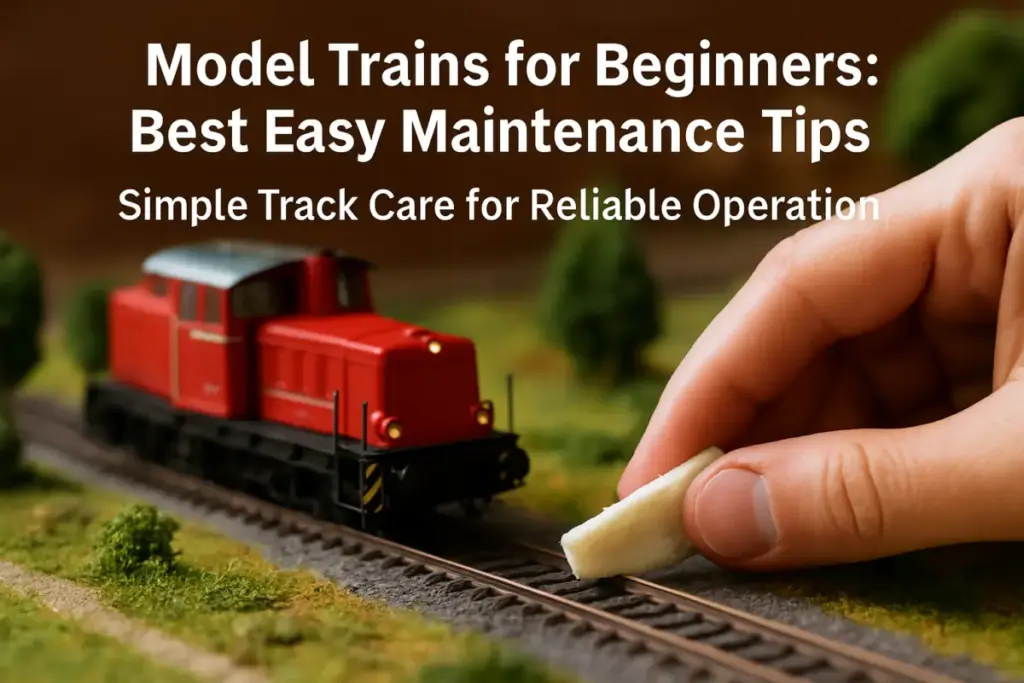
Track maintenance is one of the most important parts of keeping model trains running well. Dirty rails are a common cause of stalling, jerky movement, and poor electrical pickup. The good news is that cleaning track is simple.
Use a soft cloth, a track cleaning pad, or a gentle cleaning solution designed for model railroads. Avoid harsh chemicals, which can damage rail surfaces or layout scenery. Regular dusting also helps, especially if your layout is in an open room.
A few practical track tips:
– Check for loose rail joiners
– Make sure curves are smooth and properly connected
– Inspect switches and crossings for debris
– Keep scenery glue, paint, and ballast off the rail heads
– Clean track before major operating sessions
If your trains hesitate at one section of track repeatedly, inspect that area first. The issue may be a slight misalignment, dirt buildup, or a weak electrical connection.
Motor and Wheel Maintenance Basics
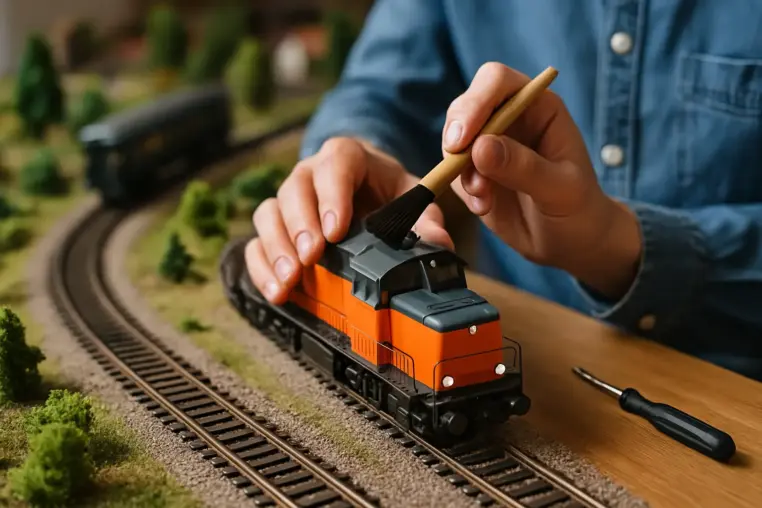
The locomotive is the heart of any setup, so caring for it properly is essential. Most beginner-level locomotives do not need complicated service, but they do benefit from routine inspection. Check the wheels for dirt, hair, or dust buildup. Wheels should be clean and able to turn freely.
If your locomotive uses moving gears or drive shafts, occasional lubrication may be necessary. Use only a small amount of manufacturer-approved lubricant. Too much oil can attract dust and create more problems than it solves. If you are unsure, consult the manual before applying anything.
Also pay attention to how the locomotive sounds. Grinding, clicking, or squealing can indicate a mechanical issue. Running the model too long while it is struggling can cause wear, so it is better to stop and inspect it early.
For beginners, a simple maintenance schedule works well:
– Clean wheels after several operating sessions
– Inspect couplers regularly
– Lubricate moving parts only when needed
– Test motor performance at different speeds
– Store locomotives carefully after use
Understanding Model Train Customization Without Overcomplicating It
Once you become comfortable with the basics, you may want to explore model train customization. Customization can be as simple as repainting a boxcar, adding extra detail parts, or changing the lighting in a locomotive. You do not need to jump into advanced work right away. Start with easy projects that help you learn the structure of your equipment.
Model train customization is one of the most enjoyable parts of the hobby because it lets you create a layout that reflects your own style. You might add weathering effects to make rolling stock look realistic, or you might build a scene around a specific era or location. These changes can make the layout feel more personal and realistic.
If you are interested in custom model trains, begin with models that are already designed for modification. Some kits are easier to work with than others, especially for people still building confidence. Careful painting, decal application, and part replacement can turn a standard model into something unique without requiring expert skills.
Safe and Easy Model Railroad Modding Tips
Model railroad modding can be fun, but beginners should keep it simple at first. Try smaller upgrades before tackling major changes. Replacing couplers, adding figures, installing interior lighting, or upgrading a locomotive’s decoder are all manageable projects for someone learning the hobby.
Before modifying any equipment, read the instructions and understand how the model is assembled. Keep a small toolkit on hand, including tweezers, a hobby knife, a screwdriver set, and a soft brush. Work slowly and keep track of tiny parts, since they are easy to lose.
A few beginner-friendly modding tips:
– Practice on inexpensive rolling stock first
– Take photos before disassembly so reassembly is easier
– Label screws and small parts in containers
– Avoid forcing plastic parts apart
– Test changes before permanently securing them
This gradual approach helps you build confidence while protecting your investment.
Storage and Handling Tips That Prevent Damage
Good handling habits are just as important as repairs. Always lift locomotives and cars with both hands, and avoid grabbing delicate details like handrails or ladders. When not in use, store models in their original boxes or protective foam inserts if available.
Dust is a major enemy of model railroads. If your layout is open to the room, consider using a cover to protect it between sessions. For long-term storage, keep trains in a cool, dry place and avoid stacking heavy items on top of them.
If you transport your trains to a club or another location, secure them carefully in padded containers. Even short trips can cause damage if the models are not protected from movement.
Building Good Habits Early
The best maintenance tip for model trains for beginners is to make care part of your regular routine. A few minutes of inspection and cleaning after each session can prevent bigger repairs later. This is especially helpful if you are still learning how the parts fit together.
Think of your layout as a living project. As you gain experience, you will notice patterns in how your equipment behaves and what each locomotive prefers. Some engines run best after a light cleaning, while others may need more attention to track conditions or wheel pickup. The more you observe, the easier maintenance becomes.
Final Thoughts
Starting with model trains for beginners is easiest when you focus on simple upkeep, careful handling, and gradual learning. You do not need to master every technical detail at once. By cleaning track, checking wheels, storing equipment properly, and taking on small customization projects, you can build a layout that stays reliable and enjoyable.
A good model railroad beginner guide will always emphasize patience, observation, and consistency. Those same habits will help you as you learn how to start model trains, explore custom model trains, and eventually try your hand at model train customization or model railroad modding. With a little care, your hobby can grow smoothly and bring years of satisfaction.

