

 Written by
 Model Trains for Beginners: Best Must-Have Layout Planning Guide
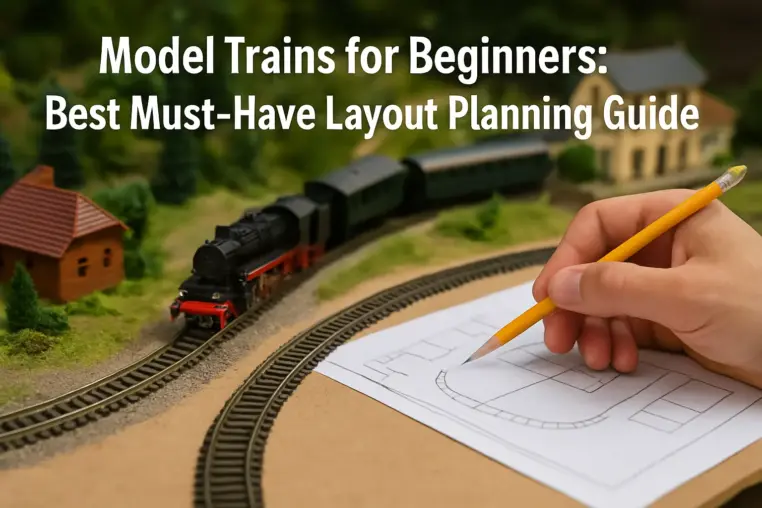
Model trains for beginners are one of the most rewarding hobbies to explore because they combine creativity, engineering, storytelling, and hands-on building. Whether you want a small tabletop scene or a detailed layout with towns, tracks, and scenery, the key to enjoying the hobby is starting with a simple plan. A well-designed layout saves time, reduces frustration, and helps you build confidence as your skills grow.
If you are wondering how to start model trains, the best approach is to begin with the basics: choose a scale, define your available space, set a budget, and plan a layout that matches your goals. A thoughtful start makes the entire hobby more fun and manageable. This article will walk you through the most important steps in model railroad layout design and help you avoid common beginner mistakes.
Why Planning Matters Before You Buy Anything
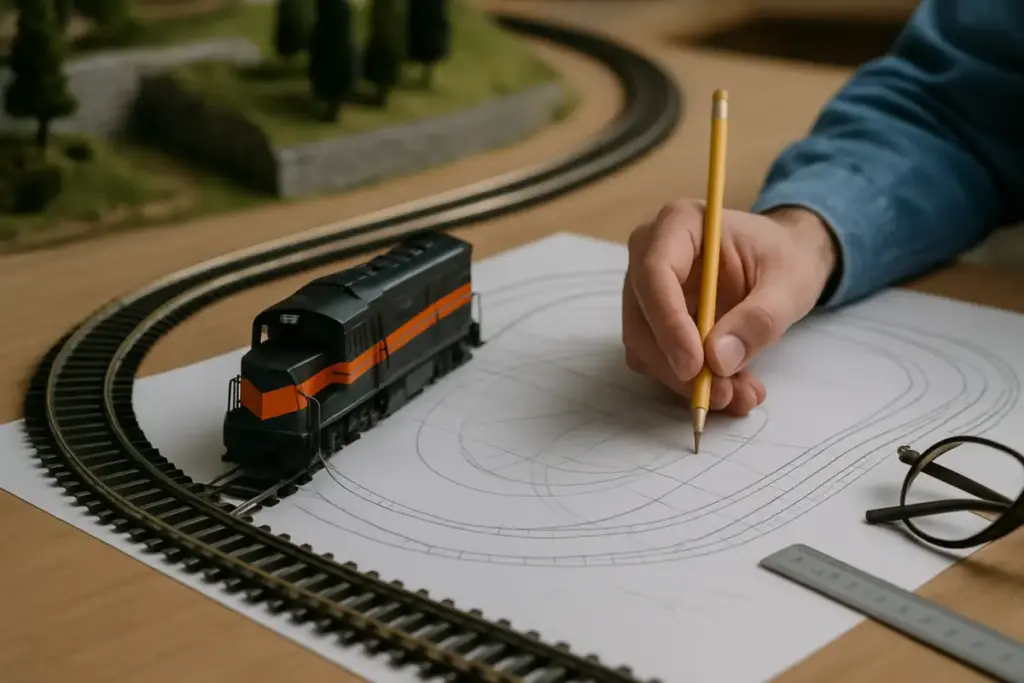
Many newcomers are eager to buy track, locomotives, and scenery right away. While that excitement is part of the fun, planning first is the smarter path. A good model railroad beginner guide always starts with layout planning because it helps you avoid purchasing items that do not fit your space or your long-term vision.
A layout plan gives you structure. It tells you how much track you need, where your trains will run, what type of scenery you can include, and whether your layout will be practical to maintain. Without a plan, it is easy to end up with a track arrangement that looks good on paper but is difficult to build or operate.
Choose the Right Scale for Your Space
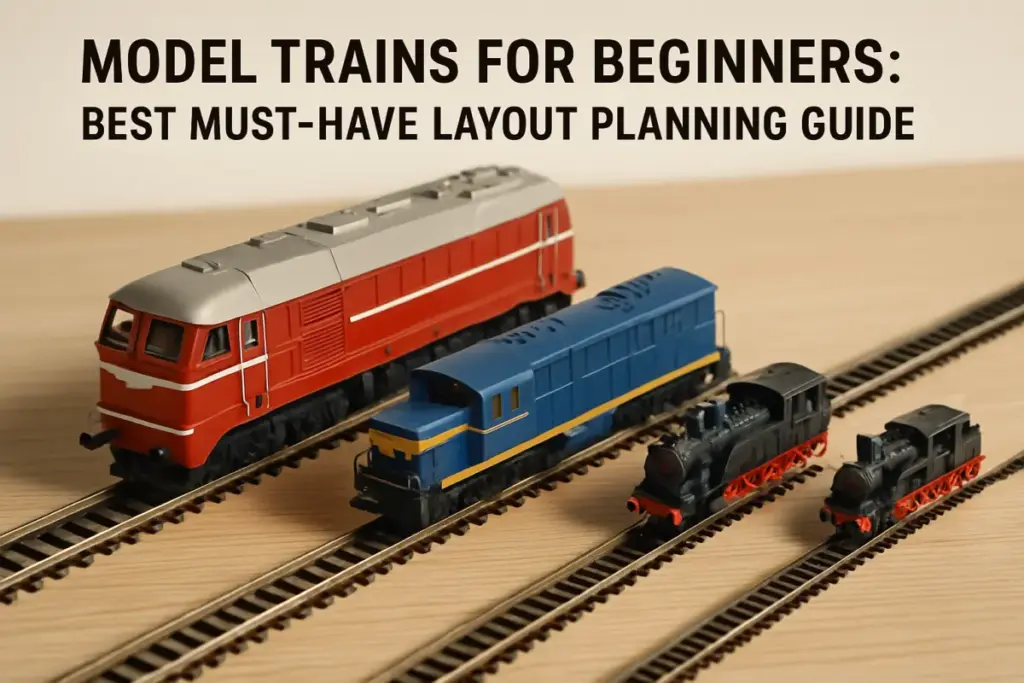
One of the first decisions in model railway layout planning is choosing a scale. Scale refers to how large the trains are compared to real life. Common scales include HO, N, O, and G. Each one has its own advantages.
– HO scale is popular because it offers a strong balance between detail and space requirements.
– N scale is ideal for smaller rooms because it allows more track in less space.
– O scale is larger and easier to handle, but it requires more room.
– G scale is often used for garden layouts and large indoor spaces.
If you are just starting out, HO and N are usually the most beginner-friendly options. Your available space should influence your decision more than anything else. A scale that fits your room will make your layout more enjoyable and realistic.
Define Your Layout Space
Before you sketch any model train layout ideas, measure the space where your layout will sit. This could be a spare room, basement, garage, shelf, or even a folding table. Be realistic about how much room you actually have, including walking space around the layout if needed.
A few space planning tips:
– Measure the length and width of the area carefully.
– Note the location of doors, windows, outlets, and vents.
– Consider access for cleaning and maintenance.
– Leave room for expansion if you may want to grow the layout later.
Knowing your exact space helps you design a layout that is not only attractive but also practical.
Start With Simple Model Train Layout Ideas
Beginners often think they need a large, complicated track plan to enjoy the hobby, but simple layouts can be just as satisfying. In fact, some of the best model train layout ideas for beginners are the most basic ones.
Here are a few beginner-friendly options:
Oval Layout
An oval is the easiest starting point. It gives you continuous running, which is great for testing trains and learning the basics.
Figure-Eight Layout
This adds a bit more visual interest and allows trains to pass over or under themselves if designed well.
Point-to-Point Layout
Instead of looping endlessly, trains travel from one station to another. This layout feels more like real rail operations, though it may take more planning.
Shelf Layout
A shelf layout is narrow and fits along a wall. It works well in smaller spaces and encourages detailed scenery.
For new hobbyists, it is often wise to begin with a modest design and expand later rather than trying to build everything at once.
Focus on Reliable Track Design
Good track planning is the foundation of a successful layout. A track plan should be smooth, accessible, and easy to operate. Sharp curves and complicated turnouts can cause derailments or make your layout harder to maintain.
When working on model railroad layout design, keep these points in mind:
– Use broad curves whenever possible.
– Avoid overcomplicating the track plan.
– Make sure sidings and turnouts are easy to reach.
– Test your design before permanently fastening the track.
A simple, reliable track plan is much better for beginners than an ambitious one that causes operational problems.
Think About Scenery Early
Scenery brings the layout to life. Even a small amount of scenery can make your trains feel like they belong in a real world. When planning your layout, consider where you might place mountains, roads, buildings, rivers, or fields.
You do not need to complete the scenery all at once. Instead, think of it as part of the layout from the beginning. This helps you place tracks and structures in a way that feels natural. A town scene may need space for a station and streets, while a rural scene may need more open land and fewer buildings.
Good scenery planning also prevents awkward empty spaces or crowded areas that are hard to view or reach.
Set a Beginner-Friendly Budget
Another important step in how to start model trains is setting a realistic budget. The hobby can become expensive if you buy everything at once, so it helps to divide your spending into stages.
A simple starter budget might include:
– Track and basic roadbed
– One locomotive and a few cars
– Power supply or controller
– Basic scenery materials
– Tools and adhesives
As you gain experience, you can upgrade and expand. Starting small keeps the hobby affordable and less overwhelming.
Build in Phases
A smart model railroad beginner guide should always encourage phased building. You do not need to finish your entire layout in one weekend. In fact, building in stages often leads to better results.
A good sequence is:
1. Plan the layout
2. Build the benchwork
3. Install track
4. Test operations
5. Add wiring
6. Add scenery and structures
7. Refine and expand
This phased method gives you time to correct mistakes before they become difficult to fix.
Common Beginner Mistakes to Avoid
New hobbyists can save time and money by avoiding a few common errors:
– Designing a layout that is too large for the available space
– Choosing a scale that is hard to manage
– Buying trains before planning the track
– Using too many tight curves
– Skipping the testing stage
– Ignoring access to track for maintenance
Remember, the goal is not to build the biggest layout right away. The goal is to build a layout that works well and can grow with your interests.
Final Thoughts
Getting started with model railroading is much easier when you begin with a clear plan. By choosing the right scale, measuring your space, exploring simple model train layout ideas, and thinking through model railway layout planning early, you set yourself up for success. A thoughtful layout does not need to be huge or complex to be enjoyable. It only needs to fit your space, your budget, and your goals.
For anyone looking for a practical model railroad beginner guide, the best advice is simple: start small, plan carefully, and build with patience. Once your first train runs smoothly on a layout you designed yourself, you will understand why so many people stay in this hobby for life.

