 Written by
11 min read
2,095 words
55 views
-
Table of Contents

Introduction

Innovations In Track Switch Technology: Enhancing Railway Efficiency
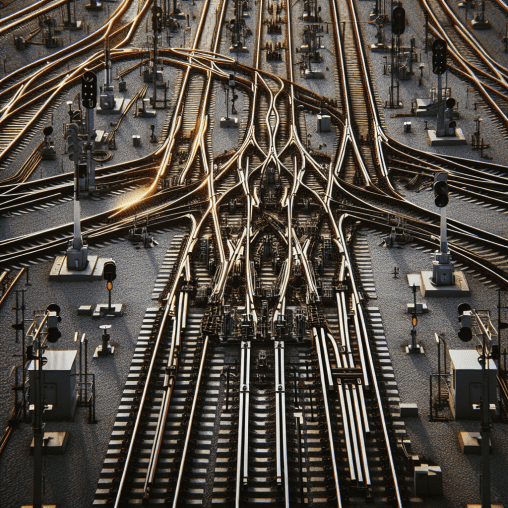
Track switches, also known as turnouts or points, are critical components in railway systems, enabling trains to move from one track to another. In order to keep train networks running smoothly and efficiently, these devices are essential, serving as the foundation of railway infrastructure. A new age in rail transport has begun with the advent of track switch technologies that greatly improve railway efficiency, safety, and dependability. The introduction of fully automated and remotely controllable systems is a major step forward in the history of track switch technology. The manual operation of traditional track switches was both time-consuming and error-prone. Now that we live in an automated world, centralized control centers can remotely operate rail switches. Not only does this change improve the speed and accuracy of switch operations, but it also decreases the necessity for on-site workers. Because of this, railways are able to increase service dependability by reducing delays and increasing throughput. The use of sophisticated sensor technologies and automation have both had a profound impact on the track switch maintenance industry. Integral sensors in track switches can keep an eye on them all the time, spotting signs of wear and tear or possible problems before they cause breakdowns. Railway operators can save maintenance costs and downtime with this predictive maintenance technique that allows them to handle issues proactively. Railroads can keep running smoothly and safely by constantly checking the status of their track switches. Track switches are more long-lasting and efficient now that smart materials are used in their manufacturing. Improved resistance to mechanical stress and environmental variables has resulted from the incorporation of innovations like shape memory alloys into switch components. The switches’ durability and performance are preserved throughout time because these materials can adjust to different environments, like temperature changes. This results in track switches having a longer lifespan and reducing the frequency of replacements. Track switch technology has also advanced significantly with the introduction of real-time data analytics. Railway operators may learn a lot about the rail network’s and track switches’ performance by using big data and machine learning algorithms. Train schedule optimization and potential bottleneck identification are both made possible by this data-driven approach, which allows for more informed decision-making. This allows railroads to improve their operating efficiency, which in turn benefits their freight and passenger customers by making their service more reliable. Also, in line with the worldwide movement towards sustainability, a new trend is developing: track switch systems that incorporate renewable energy sources. One option to lessen the impact on the environment caused by railway networks is to power track switch operations using renewable energy sources like solar panels and wind turbines. Not only does this eco-friendly method help save money, but it also helps preserve the environment. Finally, the railway sector is undergoing a sea change due to the advances in track switch technology, which are providing several advantages in sustainability, safety, and efficiency. The use of renewable energy sources, predictive maintenance, automated processes, sophisticated materials, and real-time data analytics has led to track switches that are more dependable and efficient than before. The continued development of these technologies will certainly have a significant impact on rail transport in the future, guaranteeing that railways will continue to play an essential part in transportation networks around the world.The Role Of Track Switches In Modern Rail Safety Systems
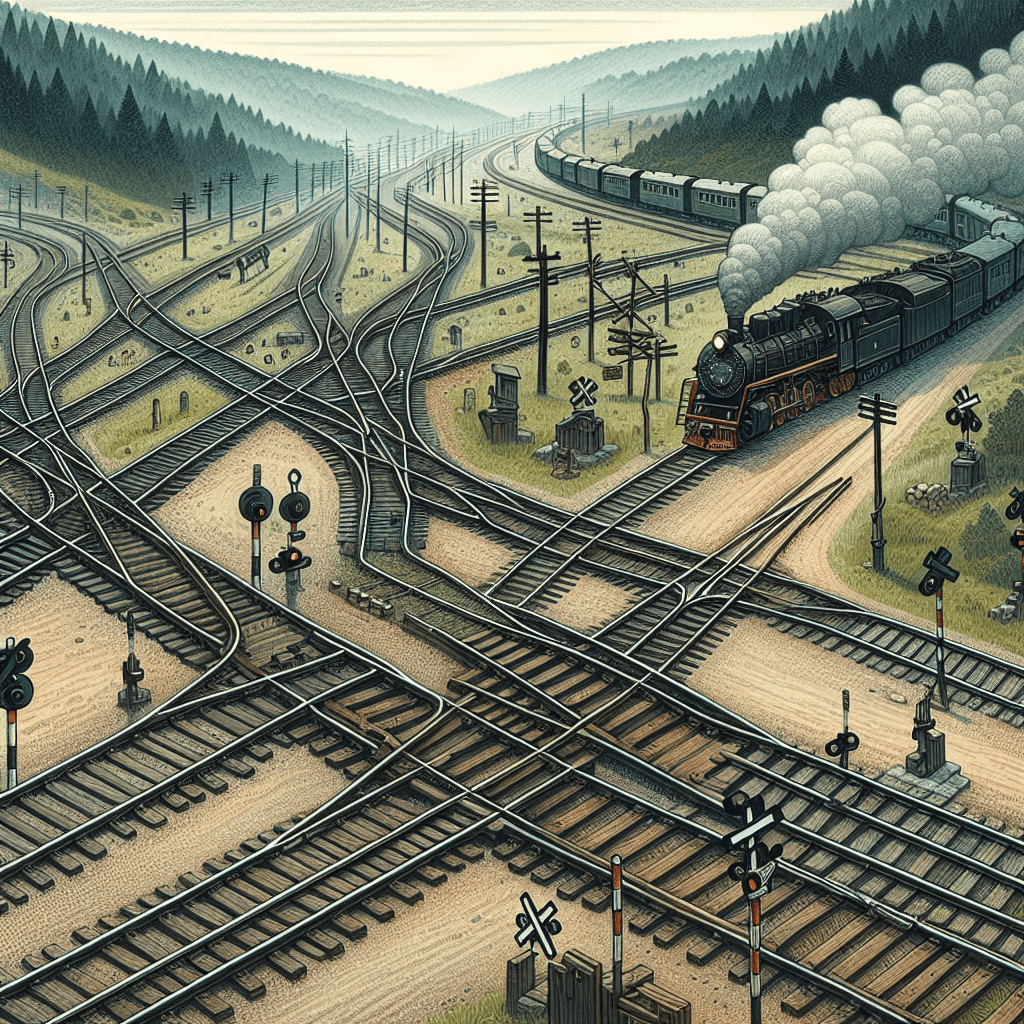 For contemporary rail systems to function and be safe, track switches—also called points or turnouts—are essential. The efficient administration of rail traffic is made possible by these mechanical facilities, which allow trains to travel from one track to another. It is impossible to emphasize the significance of track switches in maintaining operating efficiency and safety as rail networks undergo continuous expansion and evolution.
Track switches, first and foremost, are what make rail networks so adaptable. The ability to switch tracks allows trains to go to multiple locations, avoid barriers, and control rail traffic in densely populated places. In complicated rail systems with numerous lines and heavy traffic volumes, this flexibility is especially important for keeping trains running smoothly. Additionally, track switches are critical to the functioning of rail yards, as they enable the assembling and sorting of trains.
Track switches are essential for rail safety and also play a role in traffic control. Trains are guided onto the correct tracks to avoid crashes and derailments when the switches are functioning properly. To do this, contemporary rail networks utilize cutting-edge technologies for the purpose of controlling and monitoring track switches. For example, in order to guarantee that switches are properly aligned before a train passes them, sensors and automated systems are employed to determine their position. By reducing the potential for human mistake, these technologies improve the dependability of train operations.
Furthermore, the integration of track switches with signaling systems is a key aspect of modern rail safety. Signaling systems communicate the status of track switches to train operators, providing them with real-time information about track conditions. This integration allows for the coordination of train movements, reducing the risk of accidents. In addition, automated signaling systems can adjust train speeds and routes in response to the status of track switches, further enhancing safety.
Track switches are vital, but they can become unsafe and less effective over time due to normal wear and tear. So, to make sure they’re reliable, regular maintenance is key. In order to detect and fix problems including misalignment, mechanical failures, and component wear, rail operators perform regular inspections and maintenance. Track switch maintenance is becoming more efficient and effective thanks to advances in predictive maintenance technologies. These systems make use of sensors and data analytics, among others. These technologies provide preventative maintenance by predicting when things might break down, which lowers the likelihood of accidents and interruptions to service.
Additional pressures on track switches have been imposed by the development of high-speed rail networks. Innovations in switch design and materials are necessary for high-speed trains to have switches that can safely operate at higher speeds. The development of reliable and safe switches that can endure the rigors of high-speed operations is an ongoing effort by engineers.
The modern rail safety system relies on track switches, which are an essential component. The smooth functioning of rail networks relies on their assistance in guiding train movements and guaranteeing safety. There will be constant innovation in the design, monitoring, and maintenance of track switches due to the growing relevance of these components in modern rail systems. Rail operators can keep track switches supporting safe and efficient rail operations through integrating sophisticated technologies and implementing rigorous maintenance methods.
For contemporary rail systems to function and be safe, track switches—also called points or turnouts—are essential. The efficient administration of rail traffic is made possible by these mechanical facilities, which allow trains to travel from one track to another. It is impossible to emphasize the significance of track switches in maintaining operating efficiency and safety as rail networks undergo continuous expansion and evolution.
Track switches, first and foremost, are what make rail networks so adaptable. The ability to switch tracks allows trains to go to multiple locations, avoid barriers, and control rail traffic in densely populated places. In complicated rail systems with numerous lines and heavy traffic volumes, this flexibility is especially important for keeping trains running smoothly. Additionally, track switches are critical to the functioning of rail yards, as they enable the assembling and sorting of trains.
Track switches are essential for rail safety and also play a role in traffic control. Trains are guided onto the correct tracks to avoid crashes and derailments when the switches are functioning properly. To do this, contemporary rail networks utilize cutting-edge technologies for the purpose of controlling and monitoring track switches. For example, in order to guarantee that switches are properly aligned before a train passes them, sensors and automated systems are employed to determine their position. By reducing the potential for human mistake, these technologies improve the dependability of train operations.
Furthermore, the integration of track switches with signaling systems is a key aspect of modern rail safety. Signaling systems communicate the status of track switches to train operators, providing them with real-time information about track conditions. This integration allows for the coordination of train movements, reducing the risk of accidents. In addition, automated signaling systems can adjust train speeds and routes in response to the status of track switches, further enhancing safety.
Track switches are vital, but they can become unsafe and less effective over time due to normal wear and tear. So, to make sure they’re reliable, regular maintenance is key. In order to detect and fix problems including misalignment, mechanical failures, and component wear, rail operators perform regular inspections and maintenance. Track switch maintenance is becoming more efficient and effective thanks to advances in predictive maintenance technologies. These systems make use of sensors and data analytics, among others. These technologies provide preventative maintenance by predicting when things might break down, which lowers the likelihood of accidents and interruptions to service.
Additional pressures on track switches have been imposed by the development of high-speed rail networks. Innovations in switch design and materials are necessary for high-speed trains to have switches that can safely operate at higher speeds. The development of reliable and safe switches that can endure the rigors of high-speed operations is an ongoing effort by engineers.
The modern rail safety system relies on track switches, which are an essential component. The smooth functioning of rail networks relies on their assistance in guiding train movements and guaranteeing safety. There will be constant innovation in the design, monitoring, and maintenance of track switches due to the growing relevance of these components in modern rail systems. Rail operators can keep track switches supporting safe and efficient rail operations through integrating sophisticated technologies and implementing rigorous maintenance methods.