Written by
10 min read
1,969 words
47 views
-
Desk of Contents

Introduction
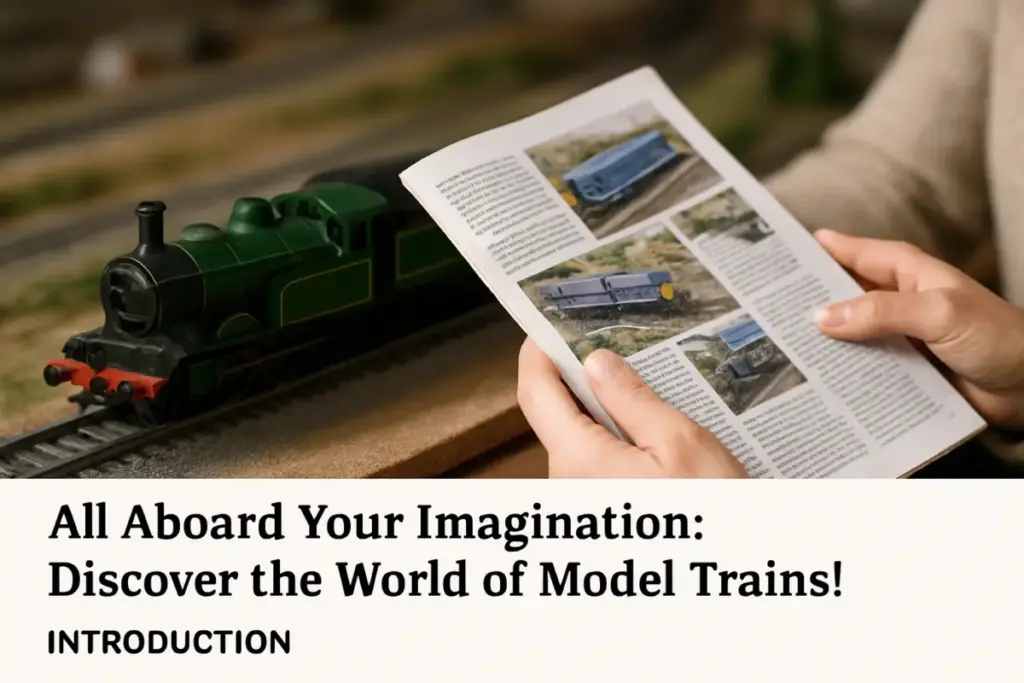
Exploring The Historical past Of Mannequin Practice Magazines: From Print To Digital
Readers can find a lot of information, ideas, and community in model train periodicals, which have been staples for a long time. Reflecting larger shifts in media consumption and technology, the history of these publications is rich and varied, much like the model preparation hobby itself. The first model train periodicals appeared in the early 1900s, just around the time that model railroading was becoming more popular as a hobby. Originally published in print, these periodicals offered readers in-depth coverage of topics including model building, building design, and the latest business news. They were valuable resources for enthusiasts seeking to enhance their skills and knowledge. Over the years, model preparation publications evolved in terms of both content and format. A plethora of titles, each addressing a distinct aspect of the hobby, appeared around the middle of the twentieth century. While some provided a more general picture, others zeroed in on certain scales or time periods. A more personalised engagement with the activity was fostered by this diversification, which enabled lovers to seek out publications that suited their stated interests. In addition, readers’ contributions were a common component of these periodicals, which brought model preparation enthusiasts together in a shared passion. Significant changes to the landscape of model preparation magazines occurred with the advent of digital technology in the late twentieth and early twenty-first centuries. Digital copies of numerous magazines began to be offered alongside their traditional print versions as the internet became more widely used. This change opened up new possibilities for content provision and increased the reach of such periodicals. Digital versions have the potential to include multimedia elements like videos and interactive layouts, providing readers with a more comprehensive and engaging experience. More frequent updates were also made possible by the digital format, keeping fans informed about the latest happenings in the hobby. Print versions of model preparation publications continue to captivate many fans, despite the many advantages of digital media. Digital codecs can’t fully capture the physical experience of turning pages, the visual impact of high-quality photographs, and the ability to collect and store points. As a result, many publishers still provide both print and digital options, meeting the needs of their readers’ diverse tastes. Model preparation publications have evolved not just in style but also in substance over the years. Stories and personal narratives have been more prominent, while technical articles and structure alternatives continue to be mainstays. The backstories of the models, the events they represent, and the individual experiences of other enthusiasts are becoming increasingly important to the fandom. There has been a general trend in the media towards producing content that is more focused on people and their experiences, which is more likely to strike a chord with viewers. Looking ahead, it’s safe to say that model preparation publications will continue to adapt to new technology and shifting consumer tastes. Social media platforms offer more opportunities for group building and interaction, while augmented and virtual reality (AR/VR) may provide readers with new ways to engage with content. The primary goal of these publications, however, has not changed: to inform, inspire, and unite model prepare passionates. No matter the medium, model prepare magazines will always be an important part of the hobby, showcasing the passion and imagination of people who make small railways a reality.Prime Mannequin Practice Magazines Each Fanatic Ought to Subscribe To

Model train lovers typically discover themselves immersed in a world of intricate particulars, historic accuracy, and inventive expression. For individuals who are enthusiastic about this pastime, model-prepared magazines function as a useful resource, providing insights, inspiration, and a way of grouping. These publications cater to a variety of pursuits throughout the model-prepared world, from historic layouts to fashionable improvements. Subscribing to a high-model, prepared journal can improve one’s understanding and appreciation of the pastime, offering each novice and seasoned hobbyist a wealth of knowledge.
Some of the famed publications in this area are “Mannequin Railroader”. Established in 1934, it has long been a staple for model preparation lovers. The journal gives a complete look at varied features of model railroading, together with detailed structure plans, step-by-step development guides, and critiques of the newest merchandise. Its articles typically feature contributions from consultants within the area, making certain that readers obtain high-quality, dependable data. Moreover, “Mannequin Railroader” regularly consists of beautiful images that capture the intricate great things about model train layouts, inspiring readers to boost their very own tasks. One other notable publication is “Railroad Mannequin Craftsman.” This journal is especially interesting to those that admire the craftsmanship concerned in model railroading. It delves into the technical features of the pastime, providing in-depth articles on scratch-building strategies, kitbashing, and weathering. “Railroad Mannequin Craftsman” additionally locations a powerful emphasis on historic accuracy, typically that includes articles that discover the historical past of particular railroads and find out how to replicate them in miniature type. This concentrate on authenticity makes it a favourite amongst hobbyists who attempt for realism of their layouts. For these within the operational facet of model railroading, “Mannequin Railroad Operations” is a wonderful selection. This journal is devoted to the artwork and science of working model railroads, offering readers with insights into scheduling, dispatching, and operating trains in a practical method. It gives sensible recommendation on organising working classes and creating timetables, making it a useful useful resource for many who benefit from the problem of simulating real-world railroad operations. Along with these well-established publications, there are a number of area of interest magazines that cater to particular pursuits throughout the model prepare group. As an illustration, “Slender Gauge and Quick Line Gazette” focuses on narrow-gauge railroading, a subgenre that emphasizes smaller, extra specialised railroads. This journal is right for hobbyists who’re drawn to the distinctive attraction and historical past of narrow-gauge traces. Equally, “Backyard Railways” is devoted to out of doors model railroading, providing ideas and inspiration for creating backyard layouts that mix seamlessly with pure landscapes. Whereas every of those magazines has its personal distinctive focus, all of them share a standard purpose: to counterpoint the model railroading expertise for his or her readers. By subscribing to a number of of those publications, lovers can keep knowledgeable in regards to the newest tendencies, strategies, and merchandise within the pastime. Furthermore, these magazines foster a way of group amongst model prepare lovers, connecting them with like-minded people who share their ardour. In conclusion, model prepare magazines are an important useful resource for anybody trying to deepen their engagement with this fascinating pastime, providing a wealth of data and inspiration that may improve any model railroading journey.