

 Written by
 HO Scale vs N Scale for Beginners: Best Starter Guide
HO Scale vs N Scale for Beginners is one of the first and most important decisions new hobbyists face when entering the world of model railroading. If you are just getting started, choosing the right size can affect everything from how much space you need to how detailed your layout can be, and even how easy it is to handle the trains. Understanding the differences between these two popular options will help you make a smarter, more enjoyable first choice.
Model railroading is a rewarding hobby because it combines creativity, engineering, and storytelling. Whether you want a small shelf layout or a large room-filling railroad, the scale you choose shapes the entire experience. For anyone searching for a model railroad beginner guide, this article breaks down the essentials in simple terms so you can confidently figure out how to start model trains the right way.
What Are Model Train Scales?

Before comparing specific sizes, it helps to understand what model train scales actually mean. A scale is the ratio between the model and the real-world train. For example, a train built at 1:87 scale is 87 times smaller than the actual version.
The two most common scales for beginners are:
– HO scale trains: 1:87 proportion
– N scale trains: 1:160 proportion
This means N scale trains are significantly smaller than HO scale trains. That difference affects layout size, detail, cost, and ease of use. When exploring model trains for beginners, scale choice is often the biggest factor in long-term satisfaction.
HO Scale Trains: A Popular Starting Point
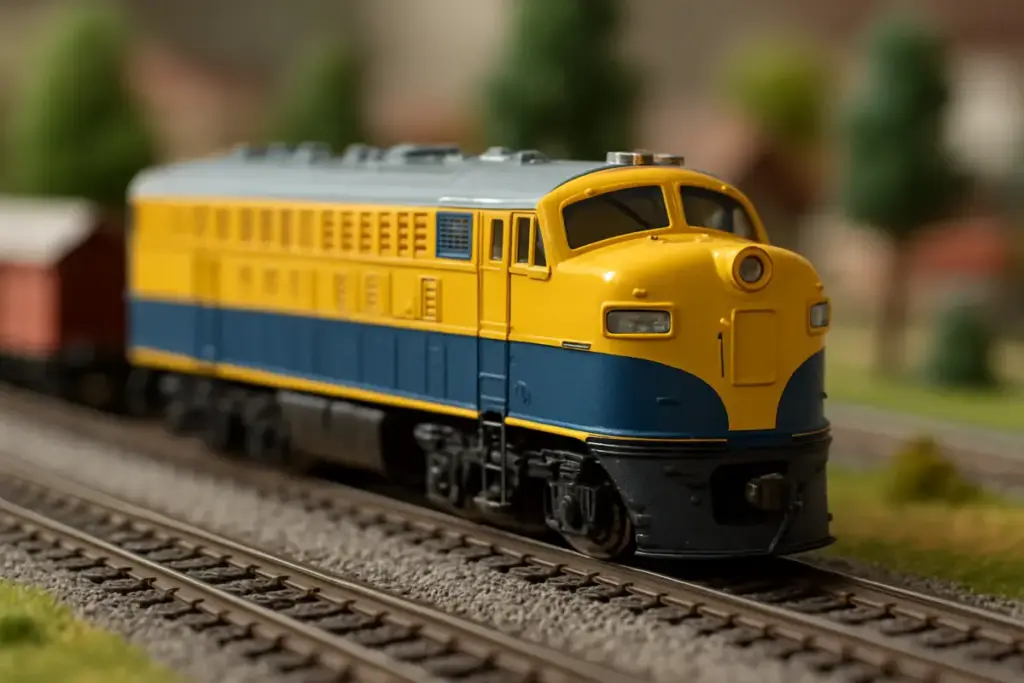
HO scale is the most widely used model railroad scale in the world, and for good reason. It offers a strong balance between size, detail, and availability.
Advantages of HO Scale
One of the biggest strengths of HO scale trains is that they are large enough to be easy to handle, but small enough to fit in a reasonable amount of space. This makes HO a great option for beginners who want visible detail without needing an entire room.
Other benefits include:
– Wide selection of locomotives, rolling stock, and accessories
– Easy-to-find track, buildings, and scenery parts
– Strong support from manufacturers and hobby stores
– Good balance of detail and manageable size
Because HO is so popular, beginners can find almost everything they need without much searching. If you are learning how to start model trains, this convenience can make the hobby less overwhelming.
Challenges of HO Scale
HO does require more space than N scale. If you want long mainlines, realistic towns, or elaborate scenery, you may need a larger layout area. In a smaller apartment or limited room, HO can feel restrictive unless you keep the design compact.
It is also slightly more expensive than some smaller scales, especially when expanding a layout. Although prices vary, larger models and larger scenery pieces can add up.
N Scale Trains: Small Size, Big Possibilities
N scale has become increasingly popular with beginners because it allows more railroad in less space. If your room is limited but you still want an impressive layout, N scale trains may be the better fit.
Advantages of N Scale
The main advantage of N scale is space efficiency. Since the trains are much smaller, you can fit more track, more scenery, and more operational interest into a smaller area.
Key benefits include:
– Ideal for small rooms, shelves, or portable layouts
– Allows more realistic train lengths on compact plans
– Great for modeling mountains, cities, and long routes in less space
– Often more layout potential per square foot
For beginners who want to create an entire railroad world in a modest area, N scale can be very appealing. It is a smart option for anyone looking at model trains for beginners with space limitations in mind.
Challenges of N Scale
Because N scale trains are smaller, they can be a little harder to handle, especially for those with larger hands or limited eyesight. Coupling cars, placing tiny details, and performing maintenance may take more patience.
N scale also has some limitations in detail compared with HO scale, although modern products have improved a lot. Beginners who value a more hands-on feel may find HO easier and more comfortable at first.
HO Scale vs N Scale for Beginners: Which Is Easier?
When comparing HO scale vs N scale for beginners, ease of use often comes down to your space and comfort level.
HO Scale May Be Better If You:
– Want larger, easier-to-handle trains
– Prefer more visible details
– Have a spare room, basement, or dedicated hobby space
– Want a scale with huge product availability
– Are new and want something that feels straightforward
N Scale May Be Better If You:
– Have limited space
– Want longer trains and larger scenes in a small area
– Like the idea of a compact but impressive layout
– Do not mind working with smaller parts
– Want more railroad in less square footage
There is no wrong answer. The best choice depends on what matters most to you as a beginner.
How to Start Model Trains the Smart Way
If you are still unsure which scale to choose, focus on a few practical questions before buying anything.
1. Measure Your Available Space
The space you have may determine your best option. A small desk, shelf, or apartment corner often works better with N scale. A larger basement or hobby room may make HO scale the better fit.
2. Decide What Kind of Layout You Want
Do you want a short switching layout, a mountain railroad, a busy city scene, or a long mainline? HO works well for detailed scenes and hands-on building. N scale works well if you want more track and scenery in less space.
3. Think About Handling and Maintenance
Beginners sometimes overlook how much time is spent connecting cars, cleaning track, and adjusting equipment. HO scale trains are easier to grasp and inspect, while N scale requires a bit more precision.
4. Consider Your Budget
Both scales can be affordable, but costs vary depending on brand, layout size, and detail level. It is smart to start small and build gradually rather than trying to buy everything at once.
Tips for Model Railroad Beginners
No matter which scale you choose, a few simple habits can make the hobby more enjoyable.
– Start with a small layout and expand later
– Buy quality track and reliable locomotives first
– Learn the basics of wiring and track cleaning
– Join a local club or online community
– Keep your first project simple and realistic
Many beginners feel pressure to create a huge, perfect layout right away. In reality, the best approach is to learn as you go. A modest starter setup can teach you far more than an oversized project that becomes frustrating.
Final Thoughts
Choosing between HO scale trains and N scale trains is really about matching the scale to your space, goals, and comfort level. HO offers easier handling, stronger detail, and broad product availability. N scale offers compact flexibility and allows more ambitious layouts in smaller spaces.
For most newcomers, the best advice in any model railroad beginner guide is to start with the scale that fits your life, not just the one that looks best in photos. If you are still figuring out how to start model trains, remember that the perfect beginner setup is the one you will actually enjoy building and maintaining.
Both scales can lead to years of enjoyment, creativity, and discovery. Once you choose your scale, you can focus on the most rewarding part of the hobby: building a miniature world that reflects your imagination.

