Written by
 Are you new to the world of model trains? Whether you’re just starting or looking to upgrade your setup, understanding the basics of model railroading and the revolutionary Digital Command Control (DCC) system is essential for creating a realistic and enjoyable layout. This guide will walk you through the fundamental aspects of model trains, introduce you to DCC technology, and answer common questions to help you get started with confidence.
What Are Model Trains?

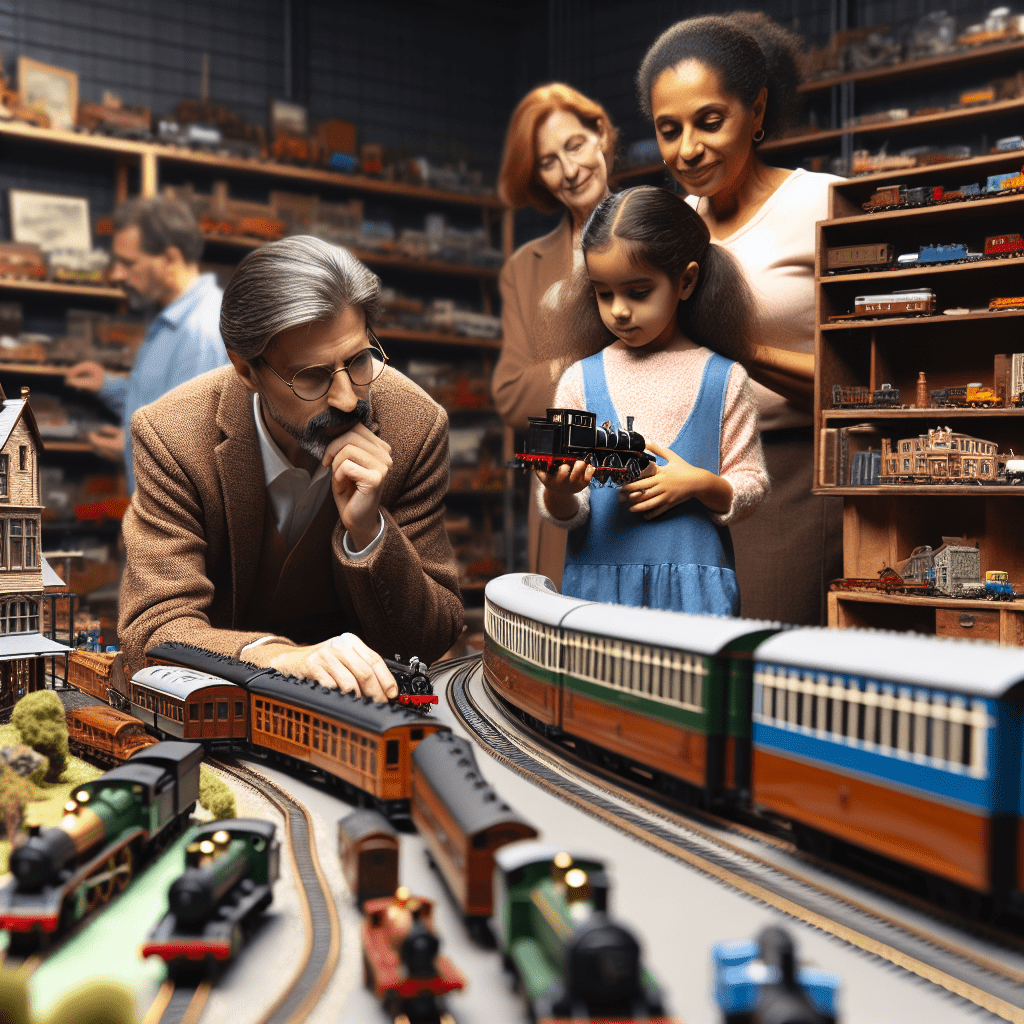
Model trains are scaled-down replicas of real locomotives and railcars, designed to run on miniature tracks. They are used to build detailed layouts that mimic real-world railroads, complete with scenery, structures, and operational elements. The hobby appeals to all ages and levels of expertise, offering endless opportunities for creativity and technical learning.
Why Use D.C.C in Model Trains?

Traditional analog control systems limit the operation of multiple trains on the same track. Each train needs a separate power block, making complex layouts challenging. That’s where Digital Command Control (D.C.C) comes in—it allows you to run multiple trains independently on a single track, providing greater realism and operational flexibility.
What is D.C.C?
Digital Command Control (D.C.C) is a digital protocol that transmits control signals to decoder-equipped locomotives. Each locomotive has its own decoder—an electronic device that interprets digital commands and controls motor speed, direction, lighting, sound, and other functions. With D.C.C, you can operate several trains simultaneously, each with its own set of commands.
How D.C.C Works
- Control signals: Sent through the rails as digital packets.
- Decoders: Installed inside locomotives decode these signals to control various functions.
- Handheld controllers: Use digital commands to select and operate individual trains freely.
- Power supply: Provides consistent digital signals and power to the track.
Benefits of D.C.C for Beginners
- Independent train control: Operate multiple trains on a single track without switching power districts.
- Enhanced realism: Control lighting, sound effects, and other features easily.
- Simplified wiring: Less track wiring complexity compared to traditional systems.
- Advanced features: Program CVs (Configuration Variables) for custom settings, automation, and sound.
Getting Started with D.C.C
- Choose a DCC system: Select a controller suited for your layout size and budget.
- Install decoders: Upgrade locomotives with decoders designed for DCC operation.
- Set up your layout: Connect the DCC system to your tracks, ensuring good wiring.
- Learn programming: Adjust CVs for optimal performance and personalization.
- Operate & expand: Enjoy running multiple trains and adding accessories.
Tips for Success
- Start small: Begin with a basic layout and a few locomotives.
- Read manuals carefully: Proper decoder installation and programming are key.
- Stay organized: Keep track of decoder addresses and CV settings.
- Join online forums & clubs: Gain insights from experienced modelers.
Conclusion
DCC has transformed the hobby of model railroading, making operation more realistic, flexible, and enjoyable. Whether you’re building your first layout or upgrading an existing one, understanding and utilizing DCC technology will enhance your modeling experience. Dive in, experiment, and watch your miniature world come alive with vibrant trains running smoothly on your layout!
Frequently Asked Questions (FAQ)
Q1: Do I need special trains or locomotives to use DCC?
Yes, locomotives need to be equipped with DCC-compatible decoders. You can purchase ready-to-run models with decoders or retrofit existing locomotives with decoder kits.
Q2: Is DCC expensive?
The cost depends on the size and capabilities of the system, but entry-level DCC controllers are affordable and suitable for beginners. Upgrading locomotives with decoders does add to the expense but is a worthwhile investment.
Q3: Can I upgrade my analog layout to DCC?
Yes, you can convert your layout to DCC by installing decoders in locomotives and connecting the system to your existing tracks, often with minimal modifications.
Q4: How difficult is it to learn DCC programming?
With some patience and reading the manuals, most beginners find DCC programming straightforward. Many systems have user-friendly interfaces for CV adjustments.
Q5: Can I run classic locomotives without decoders?
Traditional analog locomotives cannot run on DCC unless they are upgraded with decoders. You can operate them separately in an analog section of the layout if desired.